
When Should Kids Get Their First Dental X-Rays?
The honest answer: it depends on your child — not their birthday. Kids should get dental X-rays when there’s a real clinical reason, not automatically because they’ve hit a certain age. Here’s how I explain it to parents in Durango.
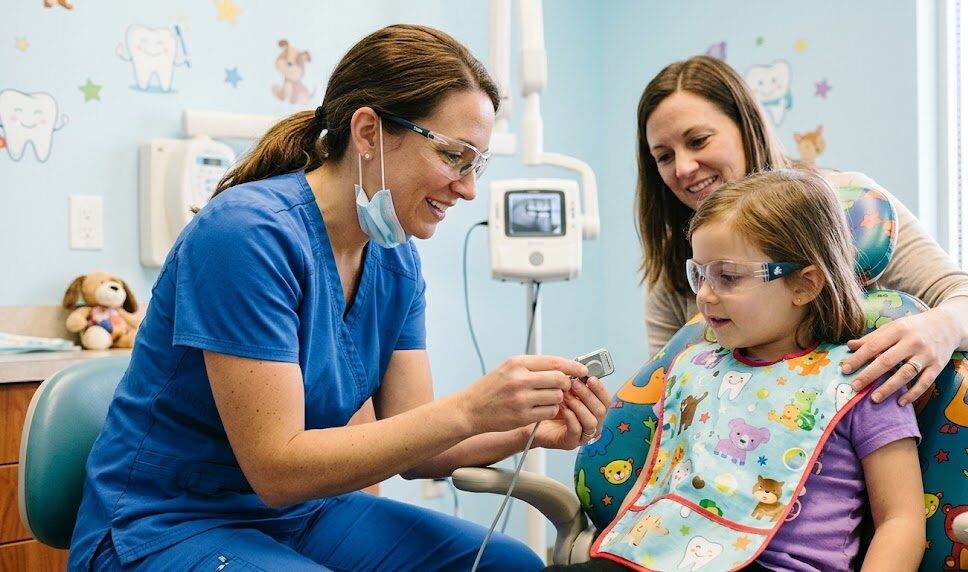
At 2nd Ave Family Dental in Durango, CO, I don’t think of pediatric X-rays as a box to check at a certain age. I think of them as a diagnostic tool. If I can see what I need with a careful exam, I may not need an X-ray that day. If I need to check between teeth, look for hidden decay, evaluate an injury, or understand why a tooth isn’t erupting — that’s when an X-ray gives us information we can’t safely guess.
Every child is different. A toddler with widely spaced teeth and low cavity risk may not need X-rays at the same point as a school-age child with tight contacts, past cavities, or tooth pain. The safest approach is individualized care: the right image, at the right time, for the right reason.
- When children may need their first dental X-rays — and why age alone isn’t the answer
- How X-rays help detect hidden cavities, development concerns, injuries, and infection
- What the current guidance says about X-ray safety for kids
- The questions Durango parents should ask before any X-ray is taken
When Are Dental X-Rays Needed for Kids?
Dental X-rays may be recommended when the dentist needs information that a visual exam alone can’t confirm. That might include cavities between teeth, infection around a root, missing or delayed adult teeth, dental trauma, spacing concerns, or a tooth that isn’t erupting as expected.
In my Durango office, I explain it to parents this way: if an X-ray will change what we do next, it’s worth taking. If it won’t change the plan, we don’t need it just for the sake of taking it.
Hidden Cavities
Cavities between teeth may not be visible until they’re larger. X-rays can catch them earlier — before they cause pain.
Tooth Pain or Sensitivity
If a child has pain, swelling, or sensitivity, an X-ray may help identify the cause and guide treatment.
Dental Injuries
After a fall or sports accident, X-rays help evaluate damage to the tooth root that’s invisible to the eye.
Adult Tooth Development
X-rays show whether permanent teeth are developing and erupting on track — before it becomes a bigger issue.
Have a question about your child’s teeth before their next visit? I’ll give you a straight answer.
(970) 247-4848Is There a “Right Age” for a Child’s First Dental X-Ray?
There isn’t one age that fits every child. The timing depends on your child’s oral development, symptoms, cavity risk, spacing, and what I can — or can’t — see during the exam.
Some children may need X-rays earlier because their teeth are tight, cavities are suspected, or there’s been trauma. Others may go longer without X-rays if the teeth are spaced, cavity risk is low, and there are no concerns.
| Your Child’s Situation | Why an X-Ray May Be Considered | A Good Question to Ask |
|---|---|---|
| Tight or Crowded TeethCavities between teeth are harder to spot in a visual exam once they’re touching. | Bitewing X-rays can see between the back teeth before decay grows larger. | “Can you see between the teeth clearly without an X-ray today?” |
| History of CavitiesA child who’s had cavities before may be at higher risk for new ones. | More frequent monitoring helps catch decay earlier in higher-risk patients. | “Is my child at higher risk for hidden decay?” |
| Tooth Pain or SwellingPain, a bump on the gum, or swelling around a tooth may need imaging to understand. | An X-ray may help identify infection, deep decay, or root issues. | “Will this image help explain what’s causing the pain?” |
| Delayed Tooth EruptionA tooth that’s overdue or erupting in an unexpected position may need evaluation. | X-rays can show adult tooth position and whether development is on track. | “Are the adult teeth coming in where they should be?” |
Are Dental X-Rays Safe for Kids?
Dental X-rays use radiation, so it’s reasonable to ask about safety. The modern standard is to use X-rays only when clinically justified, and to minimize exposure while still getting the image needed for diagnosis. ADA guidance emphasizes that dental radiographs should be ordered based on clinical need — not automatically — and that schedules should be individualized to the patient.
The American Academy of Pediatric Dentistry also emphasizes using pediatric radiographs to improve care, limit radiation exposure, and guide decisions based on the child’s age, development, clinical findings, history, and cavity risk.
We Use X-Rays Selectively
We recommend imaging only when it helps answer a real diagnostic question — not as a routine box to check.
We Avoid One-Size-Fits-All Schedules
A child’s X-ray timing depends on their risk, symptoms, age, and dental development — not a fixed calendar.
We Use the Smallest Useful Image
The goal is to capture only what we need to diagnose or monitor the specific concern.
We Explain the Reason
You should always understand why an X-ray is being recommended and how the result will guide your child’s care.
If I recommend an X-ray, I should be able to tell you what I’m looking for and how the result will help us make a better decision for your child. If I can’t explain that clearly, the X-ray can wait.
What Types of Dental X-Rays Might Kids Need?
Different X-rays answer different questions. The type should match the clinical reason — not a template.
| Type of Image | What It Helps Show | When It May Be Recommended |
|---|---|---|
| Bitewing X-RaysSmall images that show the crowns of upper and lower back teeth side by side. | Cavities forming between back teeth — often invisible to the eye. | When teeth are touching or cavity risk is higher. |
| Periapical X-RaysShows the full tooth from crown to root tip and the surrounding bone. | Root issues, infection, abscess, injury evaluation below the visible crown. | When a child has pain, swelling, trauma, or a specific tooth concern. |
| Panoramic ImageA wide view of all teeth, jaws, and developing adult teeth in one image. | Adult tooth development, missing teeth, extra teeth, major spacing issues. | When monitoring eruption patterns or major development concerns. |
| Limited / Focused ImageA targeted X-ray of one specific area of concern. | A single tooth or region that needs evaluation without imaging the full mouth. | After injury or when only one specific area needs investigation. |
Why X-Rays Can Matter Even When Teeth Look Fine
Parents sometimes ask why an X-ray is needed if the teeth look healthy from the outside. That’s a fair question. The answer is that some dental issues are hidden from view — and waiting until they become visible means waiting until they’ve grown larger.
Between-Tooth Cavities
Once teeth are touching, cavities can form in between — and they won’t show up in a visual exam until they’re significant.
Adult Tooth Position
An X-ray can show whether a permanent tooth is growing in the right direction before it causes crowding or an impaction.
Dental Trauma Effects
After a hit or fall, damage to the root may not be visible on the surface but may affect the tooth long-term.
Below-the-Gumline Infection
Swelling, a bump on the gum, or unexplained pain may require imaging to understand what’s happening underneath.
Not sure whether your child needs X-rays at their next appointment? Call us and I’ll walk you through it before you book.
Schedule a VisitQuestions Parents Should Ask Before Dental X-Rays
I want parents to feel comfortable asking questions. Dental X-rays shouldn’t feel mysterious. If your child needs one, you should know exactly why.
- What are you looking for with this X-ray specifically?
- Will the result change the treatment or prevention plan?
- Is this based on symptoms, cavity risk, development, or routine monitoring?
- Can you see what you need without an X-ray today?
- What type of X-ray is being taken and why that type?
How We Help Kids Feel Comfortable During X-Rays
For many children, the hardest part of an X-ray isn’t the image — it’s the unfamiliarity. They wonder what the sensor is, why they need to stay still, what will happen next. At 2nd Ave, we keep the explanation simple and calm.
Simple Explanations
We tell children that the X-ray is a tooth picture that helps us check the parts our eyes can’t see. No drama, no tension.
Gentle, Patient Coaching
We show children where to bite, where to look, and how long to stay still. No rushing. No pressure.
Parent Support Matters
A calm parent helps a nervous child. We’ll tell you exactly how you can help during the appointment.
How X-Rays Fit Into a Complete Prevention Plan
X-rays are one tool, not the whole plan. A strong children’s oral health system still depends on brushing, flossing when teeth touch, smart snack routines, fluoride guidance, sealants where appropriate, and regular cleanings. If an X-ray shows early decay, the goal is to use that information to make a better plan — not just to treat and move on.
Frequently Asked Questions — Kids’ Dental X-Rays in Durango, CO
When should kids get their first dental X-rays?
Are dental X-rays safe for children?
Why would my child need X-rays if nothing hurts?
How often do children need dental X-rays?
Can dental X-rays show cavities between teeth?
How do I schedule a child’s dental exam in Durango, CO?
Wondering Whether Your Child Needs Dental X-Rays?
Our Durango dental team can evaluate your child’s teeth, cavity risk, symptoms, and development — and give you a straight answer about whether X-rays make sense right now.
Wherever you’re starting from, we start from here. No lectures.
Explore Related Parent Guides
Quick Links
Medically Reviewed by Dr. Taylor M. Clark, Durango Dentist
This article was reviewed for patient education by Dr. Taylor M. Clark, lead dentist at 2nd Ave Family Dental in Durango, CO. Dr. Clark completed his dental degree at the University of North Carolina at Chapel Hill and a two-year advanced anesthesiology residency at UCLA. He is committed to helping Durango families understand children’s dental care, X-ray safety, cavity prevention, and pediatric oral health. Schedule an appointment for guidance tailored to your child’s needs.