2nd Ave Family Dental

Restorative Dentistry

Restoring Teeth With the Right Level of Care

When a tooth is damaged, worn, decayed, or missing, start by figuring out what can still be saved. Restorative dentistry is about getting teeth back to doing their job.

Sometimes that means a small filling. Sometimes a tooth needs more support from a crown. And when a tooth is badly damaged or missing, the conversation may involve a different kind of repair or replacement.

At 2nd Avenue Family Dental, the treatment should match the problem, not automatically become the biggest procedure available.

What This Care Is For

A painful tooth does not always need the same treatment as another painful tooth. That is why restorative care starts with diagnosis.

At the 2nd Avenue Dental office on East 2nd Avenue in Durango, Dr. Taylor Clark and the team first look at what happened, how much healthy tooth remains, whether the tooth can reasonably be repaired, and how the tooth needs to function when you bite and chew.

The goal is not simply to make the tooth look repaired. It is to choose a restoration that makes sense for the tooth you actually have.

Restorative dentistry at 2nd Ave Family Dental in Durango

Composite Fillings

For certain cavities and smaller areas of damage, tooth-colored composite material can rebuild the missing portion of a tooth while blending with the surrounding enamel.

Explore Composite Fillings

Dental Crowns

When a tooth has lost more structure than a filling can reasonably replace, a crown may be used to cover and support the remaining tooth.

Explore Dental Crowns

Inlays & Onlays

Some teeth need more restoration than a direct filling but do not necessarily require a full crown. An inlay or onlay may be one option depending on where and how much tooth structure has been lost.

Missing Teeth

Bridges, dental implants, and dentures solve different kinds of tooth-loss problems. The useful starting question is not which one sounds best online. It is what fits the number of missing teeth, the surrounding teeth, bone, health, and your priorities.

Root Canal Treatment

When the tissue inside a tooth is affected by infection or significant injury, root canal treatment may sometimes allow the tooth to be retained instead of removed.

Existing Dental Work

Old fillings, crowns, and other restorations do not last forever. If something cracks, loosens, wears down, or starts feeling different, it can be evaluated before deciding whether it needs repair or replacement.

What Restorative Treatment Starts With

1

Figure Out What Happened

Maybe a tooth broke over dinner, something feels different when you chew, or a cavity showed up during a routine exam. The first job is identifying the actual problem.

2

See How Much Tooth Can Be Preserved

A small area of decay and a heavily fractured tooth should not receive the same solution. Dr. Clark looks at the condition of the tooth, the amount of healthy structure remaining, your bite, symptoms, and any other information needed before recommending treatment.

3

Compare the Reasonable Options

If a filling is enough, there is no reason to describe the tooth as though it automatically needs a crown. If a tooth needs more support, that should be explained too. You should understand what is being recommended, why, and what the alternatives are before moving ahead.

Why this feels different at 2nd Avenue Dental

"Can This Tooth Be Fixed?" Is a Better Starting Question

Restorative dentistry can become confusing quickly. Fillings. Crowns. Root canals. Bridges. Implants.

Most patients do not need a vocabulary lesson. They need someone to explain what has happened to their tooth and what the realistic choices are. That is the approach at 2nd Ave Family Dental.

Dr. Taylor Clark's background includes dental training at UNC Chapel Hill, service with the Indian Health Service, and two years of advanced anesthesiology training at UCLA. His Durango practice combines that clinical background with a simple patient rule: explain what is happening before asking someone to make a treatment decision, and if the procedure itself makes you nervous, say so.

At a practice that genuinely caters to anxious patients, comfort is part of restorative planning, not an awkward conversation you have to bring up at the last minute.

"Can This Tooth Be Fixed?" Is a Better Starting Question

Restorative Dentistry With a Strong Comfort Background

Dr. Taylor Clark's background is unusual for a community family dentist.

After dental school at UNC Chapel Hill and service with the Indian Health Service, he completed two years of advanced anesthesiology training at UCLA.

That training matters beyond sedation appointments. It shaped a practice that pays close attention to anxiety, comfort, communication, and how patients respond to dental care.

For families in Durango and the Four Corners, that means one practice can care for the person who comes in twice a year without a second thought and the person who has spent three years trying to work up the nerve.
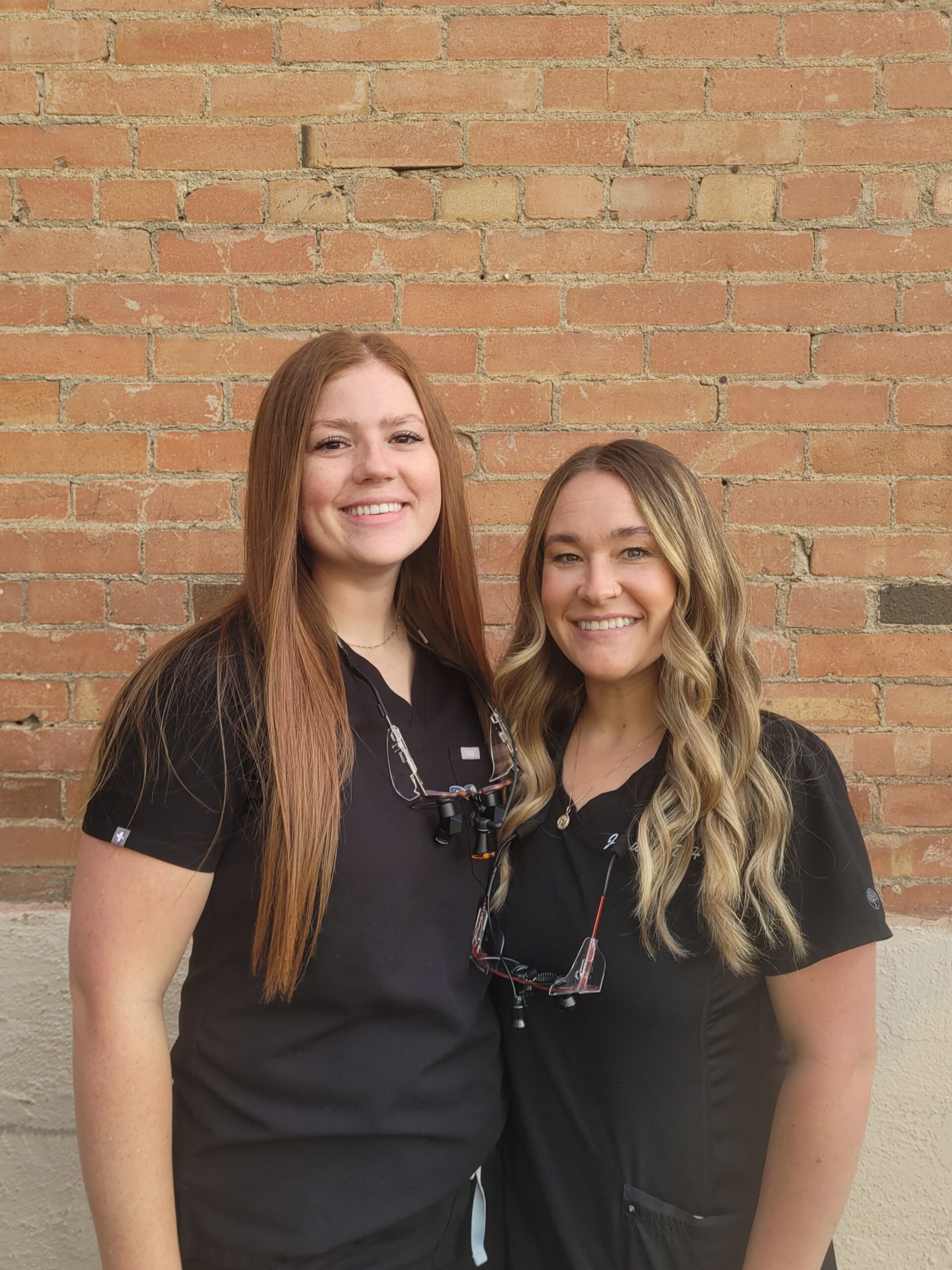
Dr. Taylor Clark and the 2nd Ave Family Dental team

Frequently Asked Questions

How do you know whether you need a filling or a crown?
It mostly comes down to how much healthy tooth structure is left. A filling restores certain smaller areas of decay or damage. A crown gets considered when there isn't enough remaining tooth to support a large filling reliably.
Does a damaged tooth always hurt?
No. Decay, cracks, and worn dental work can exist without constant pain, and sensitivity or pain can have several other causes too. That's exactly what the exam sorts out.
Can an old filling or crown be repaired?
Sometimes. Whether repair or replacement makes sense depends on what's actually happened to the restoration and the tooth underneath it, not just how old it is.
What if restorative dental work makes you anxious?
Tell the team. Dr. Clark completed two years of advanced anesthesiology training at UCLA, and 2nd Avenue routinely works with patients who find dental treatment difficult or intimidating. That does not mean everyone needs sedation; it means comfort options can be discussed based on the person and the treatment.

Something Broken, Sensitive, or Just Not Right?

You do not need to know whether you need a filling, crown, or something else before making the appointment. That is what the evaluation is for.

Your Dental Home in Durango

2nd Ave Family Dental

835 E 2nd Ave
Durango, CO 81301

Our office welcomes patients from Durango and surrounding La Plata County and Four Corners communities who are looking for a long-term dental home close to home.

Whether you're fitting a visit around school, work, travel, or everything else that fills a week in Southwest Colorado, our goal is to make getting the dental care you need feel straightforward.

2nd Ave Family Dental, Durango

Connect with us

For inquiries or to schedule a consultation

Fill out the following form, and we will get back to you promptly.

Preferred Contact Method
By submitting this form, you acknowledge that contacting 2nd Ave Family Dental through this form does not establish a doctor-patient relationship. Please avoid sharing sensitive or confidential information until such a relationship is established.
Scroll to Top