
Should Your Child Get a Dental Checkup Before Summer Camps and Travel?
Yes, a child dental checkup before summer can be a smart move if your family has camps, travel, sports, or a less predictable routine coming up. The goal is simple: catch small issues early, ask prevention questions, and head into summer with fewer dental surprises.
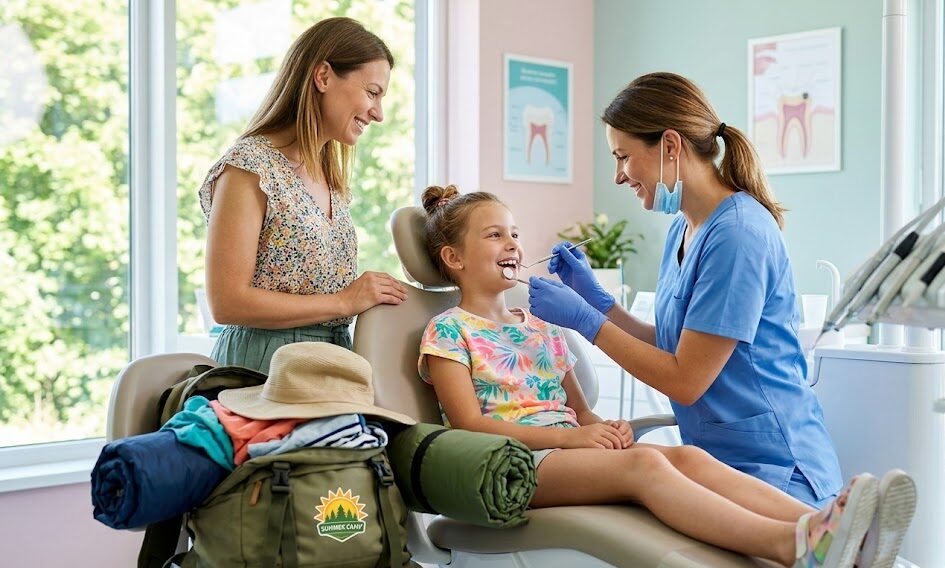
I know, dental visits are not usually the glamorous part of summer planning. You are thinking about sunscreen, snacks, duffel bags, trail shoes, and whether anyone packed the toothbrush. The honest answer is this: if your child is due for a cleaning, has had cavities before, complains about sensitivity, or has new adult molars, summer is a very practical time to schedule a visit.
Here is exactly what happens, what I look for, and what you can ask before your family heads into camps, road trips, sports, and the beautiful chaos of the Four Corners.
- Does every child need a pre-summer dental visit? Not every child, but it helps if your child is due, cavity-prone, traveling, starting camp, or hard to schedule during school.
- What is checked? Teeth, gums, bite, cavity risk, brushing habits, possible X-ray needs, and whether sealants or fluoride should be discussed.
- Is summer a good time for a kids dental cleaning in Durango? Yes. Families often have more appointment flexibility before fall routines return.
- Should you ask about sealants? Yes, especially if your child has new adult molars or cavities in back teeth.
- What is the main goal? Fewer surprises, clearer home-care habits, and a calmer plan for your family.
Why Is Summer a Practical Time for a Child Dental Checkup?
For a lot of Durango families, summer is not slower. It is just differently busy. School pickups turn into camp drop-offs, Animas River afternoons, road trips, sports snacks, sleepovers, and the kind of bedtime routine that gets a little more “Colorado casual” by July.
That is exactly why a child dental checkup before summer can make sense. A cleaning and exam gives you a calm baseline before the calendar gets loud. If everything looks healthy, great. If I see a small cavity risk, a loose filling, a sealant that needs a look, or brushing spots your child is missing, you get to handle it with a plan instead of discovering it halfway through camp snacks and travel.
Camp Forms and Busy Calendars
Some camps, sports programs, and family trips create a lot of schedule juggling. A preventive visit can help you cross one health item off the list.
Less Predictable Snacking
Summer often means more grazing, sports drinks, popsicles, dried fruit, crackers, and quick car snacks. Teeth notice patterns.
Travel Away from Home
If you are headed toward Mesa Verde, the San Juans, or across the Four Corners, it is easier to ask dental questions before the duffel bags are packed.
A Fresh Start for Fall
A summer visit can help your child return to school with a clear plan for brushing, flossing, sealants, or follow-up care if needed.
If you are choosing where to start, the most relevant page is dental cleanings and exams. You can also review general and family dentistry or the full services page if you are planning care for more than one person in your family.
What Happens During a Kids Dental Cleaning in Durango?
Here is exactly what happens in plain English. At 2nd Ave, a kids dental cleaning in Durango is not a test your child has to pass. It is a check-in. I want to know what is working, what is hard, where your child is missing plaque, and whether anything needs attention before it becomes a bigger conversation.
A pediatric dental exam may include a review of your child’s health history, a cleaning, a cavity check, a gum and bite check, and a conversation with you about home care. Depending on your child’s age, dental history, and what I see, X-rays may be discussed. They are not automatic at every visit. They are a tool when they help answer a specific question.
| Part of the Visit | What It Helps Answer | What You Leave Knowing |
|---|---|---|
| Cleaning | Where plaque is building up and whether brushing is reaching the back teeth. | Which spots need extra help at home. |
| Exam | Whether there are early signs of cavities, enamel changes, gum irritation, or bite concerns. | Whether your child is on track or needs a next step. |
| Cavity-risk conversation | How snacks, drinks, braces, dry mouth, crowded teeth, or past cavities may affect risk. | What habits matter most for your child. |
| Parent questions | What you are seeing at home: sensitivity, food getting stuck, brushing battles, or mouthguard questions. | A clear plan without lectures. |
Real talk: if your child is nervous, say so. If you are nervous, say so too. I have treated plenty of parents who are braver for their kids than they feel for themselves. We cater to cowards, and that includes small cowards, big cowards, and parents who quietly hate the sound of dental tools. You are not alone.
Should Parents Ask About Sealants Before Camps and Travel?
Yes, sealants are worth asking about if your child has deep grooves in the back teeth, a history of cavities, or new adult molars that are hard to keep clean. Sealants are thin protective coatings placed on the chewing surfaces of back teeth. They do not replace brushing, flossing, or regular dental visits, but they can help protect the grooves where food and plaque like to hide.
The CDC describes dental sealants as thin coatings applied to back teeth that can protect against cavities for many years, and notes that sealants are often most useful soon after adult molars come in. If I think sealants make sense for your child, I will explain why. If they do not, I will say that too.
- Has adult molars that recently came in.
- Keeps getting cavities in back teeth.
- Has deep grooves that trap food.
- Has a hard time brushing the far-back molars well.
- Is heading into a season of camps, travel, braces, or sports snacks.
You can read more about dental sealants and compare that guidance with the CDC’s overview of dental sealants for cavity prevention.
Which Summer Habits Raise Cavity Risk for Kids?
I do not expect summer to look like a dental textbook. Kids are supposed to eat the popsicle, go to the sleepover, and come home with dirt on their shoes. The goal is not perfection. The goal is knowing which habits quietly increase cavity risk so you can make small choices that help.
All-day grazing
The frequency matters. A snack every once in a while is different from crackers, gummies, or sports drinks every hour.
Sticky “healthy” snacks
Dried fruit, chewy bars, and gummy vitamins can cling to teeth. They are not bad people. They just overstay their welcome.
Bedtime routine drift
Late nights after camps or travel can make brushing feel optional. Night brushing is the one I really want protected.
Bottled water only
Some bottled water does not contain fluoride. If your child mostly drinks bottled water, it is worth discussing fluoride needs during the visit.
Skipping floss when teeth touch
Once teeth touch, a toothbrush cannot clean all the way between them. That is where floss becomes useful.
For broad prevention background, I use the same common-sense themes you will see from MouthHealthy’s oral health recommendations and MouthHealthy’s healthy habits for babies and kids: brush with fluoride toothpaste, clean between teeth, limit frequent sugar exposure, drink water, and see a dentist regularly.
What Questions Should You Ask at the Appointment?
You do not need a perfect list. But if you are coming in before camps or travel, a few questions can make the visit more useful.
| Parent Question | Why It Helps | What I May Talk Through |
|---|---|---|
| Is my child at higher cavity risk right now? | Risk changes with age, snacks, brushing independence, braces, and past cavities. | Specific habits to focus on instead of a giant list. |
| Are the back molars protected? | Molars often have grooves that catch food. | Whether sealants are worth considering. |
| Is my child brushing well enough alone? | Many kids need help longer than parents expect. | A realistic handoff plan for independence. |
| What should I pack for travel? | Small routines are easier when supplies are already in the bag. | Toothbrush, fluoride toothpaste, flossers, water habits, and what to do if a tooth hurts. |
| Do we need a mouthguard? | Summer sports, biking, and rough play can be hard on teeth. | Whether a sports mouthguard conversation makes sense. |
You can also use patient resources to prepare for a visit, especially if your child is new to 2nd Ave or if your family is trying to coordinate multiple appointments.
What If Your Child Is Nervous About the Dentist?
Start by telling the truth in a calm way. “Dr. Clark is going to count your teeth, clean them, and help us know how to take care of them.” That is enough. You do not need to over-explain. Kids can smell a dramatic speech from across the room.
If your child is worried, I like step by step. I show, explain, pause, and keep the tone relaxed. If something is uncomfortable or confusing, your child can tell me. If you are worried because a past visit somewhere else was hard, tell me that too. Wherever you are starting, I start from here. No lectures.
- Book at a time of day when your child usually does well.
- Bring a comfort item if that helps.
- Avoid using the visit as a threat or punishment.
- Tell me if your child has sensory concerns, anxiety, or a hard past experience.
- Plan one small reward afterward that has nothing to do with being “good.”