2nd Ave Family Dental

teen dental care
Teen Preventive Dental Care

Are Sealants and Fluoride Still Needed for Teens?

Yes, many teens still benefit from fluoride and dental sealants—especially if they have deep molar grooves, braces, frequent snacks, sports drinks, past cavities, or newly erupted adult teeth that need extra protection.

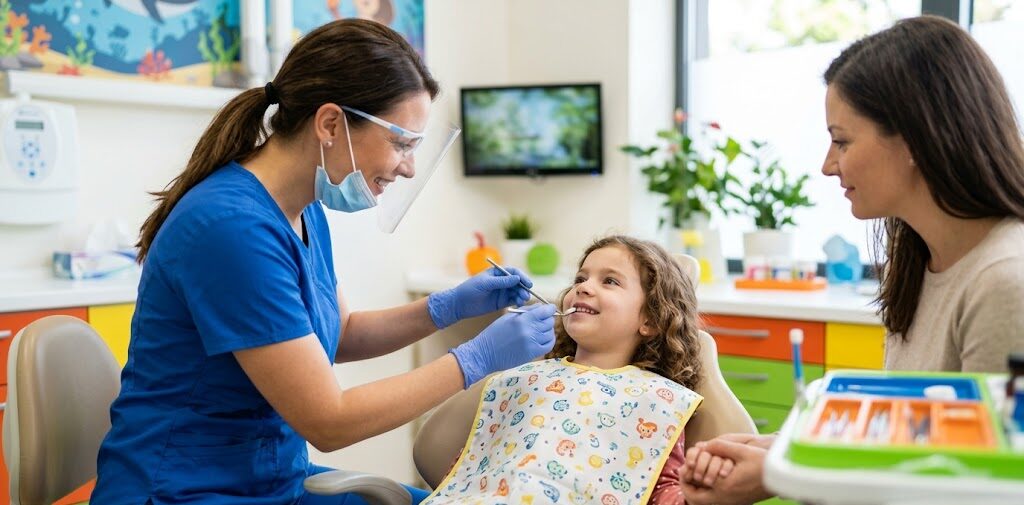
Teen patient receiving comfortable preventive dental care in Durango CO
Teen teeth are adult teeth. Protecting them now can prevent years of avoidable dental problems later.

Sealants and fluoride are not only for little kids. Teenagers in Durango, CO may still need extra cavity protection because their schedules, eating habits, orthodontic appliances, sports drinks, and hard-to-clean back teeth can all increase decay risk.

At 2nd Ave Family Dental, preventive care is personalized. A teen who brushes well and has low cavity risk may need a different plan than a teen with braces, deep molar grooves, frequent snacking, or a history of cavities.

What This Guide Covers
  • Why sealants and fluoride may still matter during the teen years.
  • How fluoride strengthens enamel and supports cavity prevention.
  • How sealants protect molars from plaque in hard-to-clean grooves.
  • Which Durango teens may benefit most from extra preventive care.

Why Teens Still Need Cavity Prevention

By the teenage years, most permanent teeth have already erupted or are close to erupting. That means cavities are no longer affecting temporary teeth alone—they can affect the adult teeth your teen needs for life.

Teenagers often have busy routines: school, sports, work, social events, late-night studying, orthodontic appointments, and quick meals between activities. Even responsible teens can miss plaque around molars, brackets, gumlines, and tight spaces. That is where preventive dental care can help.

Adult Teeth Need Long-Term Protection

Permanent molars are meant to last for decades, so early prevention during the teen years matters.

Teen Diets Can Be Risky

Frequent snacks, soda, sports drinks, energy drinks, and sweet coffee drinks can increase cavity risk.

Braces Make Cleaning Harder

Orthodontic brackets and wires can trap plaque and make brushing more complicated.

Molars Have Deep Grooves

Back teeth can collect food and bacteria in grooves that toothbrush bristles may not fully clean.

Dental sealants for kids and teens can help protect hard-to-reach back teeth. This reel explains why sealants are often worth keeping as part of a prevention plan.

How Fluoride Helps Teen Teeth

Fluoride helps strengthen enamel, the outer protective layer of the teeth. Every day, enamel is exposed to acids from plaque bacteria, snacks, acidic drinks, and sugar. Fluoride supports remineralization, which means it helps minerals return to weakened enamel before a small weak spot becomes a cavity.

For teens, fluoride may be especially helpful when there is a history of cavities, visible enamel weakness, orthodontic treatment, dry mouth, frequent snacking, or higher exposure to acidic drinks.

1

It Strengthens Enamel

Fluoride helps enamel become more resistant to acid attacks from plaque and sugary or acidic drinks.

2

It Supports Remineralization

Early enamel weakness may be helped before it turns into a larger cavity that needs a filling.

3

It Helps Around Braces

Teens with braces may have more plaque traps, so fluoride can add helpful support around brackets and gumlines.

4

It Can Be Personalized

Your dentist may recommend in-office fluoride, fluoride toothpaste habits, or other guidance based on your teen’s cavity risk.

For related preventive guidance, read fluoride treatment guidance for children and teens, how to prevent cavities in children, and how to prevent tooth decay in adults and kids.

How Dental Sealants Help Teens

Dental sealants are thin protective coatings placed on the chewing surfaces of molars. They are designed to flow into the small pits and grooves of back teeth, creating a smoother surface that is easier to keep clean.

Many parents think sealants are only placed when children are younger. But teens can still benefit if their molars have deep grooves, if a previous sealant has worn down, or if a dentist identifies areas that are still vulnerable to decay.

Preventive OptionWhat It DoesWhy It May Help Teens
FluorideStrengthens enamel and supports remineralization.Helpful for teens with cavity risk, braces, acidic drinks, or early enamel weakness.
SealantsProtect deep grooves on molars from plaque and food traps.Helpful for permanent molars that are difficult to clean thoroughly.
CleaningsRemove plaque and buildup from areas teens may miss.Helpful for braces, gumline plaque, and cavity-risk monitoring.
Home Care CoachingImproves brushing, flossing, snack timing, and drink habits.Helpful for busy teens who need realistic routines, not lectures.

To learn more, visit what dental sealants are and how they help protect teeth and best snacks for healthy teeth.

Which Teens Benefit Most From Sealants and Fluoride?

Not every teen needs the same level of preventive care. At a routine exam, the dentist may look at cavity history, enamel condition, gum health, orthodontic appliances, molar anatomy, home-care habits, and diet before recommending fluoride, sealants, or both.

Teens With Past Cavities

A history of cavities can indicate higher future risk, especially if diet or brushing habits have not changed.

Teens With Braces

Brackets and wires can make plaque control more difficult and increase the need for preventive support.

Teens Who Sip Sugary Drinks

Sports drinks, soda, juice, sweet tea, and energy drinks can expose enamel to frequent acid and sugar.

Teens With Deep Grooves

Molars with deep pits and fissures may benefit from sealants even when brushing habits are good.

A Practical Parent Note

Teen preventive care works best when it is framed as independence, not criticism. The goal is to help teens protect their adult teeth while building habits they can carry into college, work, sports, and adulthood.

Teen Habits That Can Increase Cavity Risk

Teens in Durango often have active, busy schedules. Between school, mountain biking, skiing, hiking, team sports, work, and social plans, it is easy for oral hygiene to become rushed. Preventive dentistry helps fill the gap, but daily routines still matter.

1

Frequent Snacking

Repeated snacks can keep teeth under acid attack throughout the day, especially when snacks are sticky, starchy, or sugary.

2

Sports and Energy Drinks

These drinks can be acidic and sugary. Water is usually the better default between meals and during everyday activities.

3

Rushed Night Brushing

Night brushing matters because plaque and food left on teeth during sleep can increase cavity risk.

4

Skipping Routine Visits

Teens who miss checkups may also miss early signs of enamel weakness, worn sealants, or cavity development.

Helpful Prevention Questions to Ask at a Teen Dental Visit
  • Does my teen still have sealants, and are they intact?
  • Are there early signs of enamel weakness or cavities?
  • Would fluoride treatment help based on current cavity risk?
  • Are braces, sports drinks, or snack habits increasing risk?
  • What should my teen focus on most at home?

For more teen-friendly prevention support, see helping kids and teens brush and floss and regular dental checkups for kids and teens.

What to Expect During a Teen Preventive Visit

A teen preventive visit at 2nd Ave Family Dental may include a cleaning, exam, cavity-risk review, sealant check, fluoride discussion, and practical home-care coaching. The goal is to be helpful and specific—not to shame teens about imperfect habits.

Sealant Check

The dentist can check whether existing sealants are intact or whether vulnerable molars may need protection.

Fluoride Review

The team can explain whether fluoride makes sense based on enamel health, diet, and cavity risk.

Cleaning and Exam

Professional cleanings remove buildup and help identify early signs of decay or gum irritation.

Realistic Home Tips

Teens can get practical guidance for brushing, flossing, water, snacks, and braces care.

How Sealants and Fluoride Fit Into Long-Term Oral Health

Sealants and fluoride are not shortcuts. They are preventive tools that work best with brushing, flossing, water, routine checkups, and lower-risk snack habits. For teens, they can help protect adult teeth during a stage when independence is increasing but oral hygiene may not always be consistent.

If your teen has not had a preventive visit recently, a dental exam can clarify whether sealants are still intact, whether fluoride is recommended, and whether any early enamel concerns need attention.

Frequently Asked Questions About Sealants and Fluoride for Teens in Durango, CO

Are sealants still needed for teenagers?
Sometimes, yes. Teens may still benefit from sealants if their molars have deep grooves, if previous sealants have worn down, or if they have higher cavity risk.
Is fluoride still helpful for teens?
Yes. Fluoride can help strengthen enamel and support cavity prevention, especially for teens with braces, past cavities, frequent snacking, or acidic drink habits.
Can sealants be placed on adult teeth?
Yes. Sealants are commonly placed on permanent molars when the chewing grooves are vulnerable to plaque and decay.
Do sealants and fluoride replace brushing?
No. They add protection, but teens still need daily brushing, flossing, water, healthier snack habits, and routine dental checkups.
How do I know if my teen needs fluoride or sealants?
A dentist can evaluate cavity history, enamel health, molar grooves, diet, braces, and home-care habits to recommend the right prevention plan.
Where can I schedule teen preventive dental care in Durango?
2nd Ave Family Dental provides preventive care for children, teens, and families in Durango, CO. You can contact the office to schedule a visit.

Related Posts

General & Family Dentistry

When Should Kids Get Their First Dental X-Rays

When Should Kids Get Their First Dental X-Rays? | 2nd Ave Family Dental Durango CO 2nd Ave Family…
Restorative Dentistry

What Are the Signs of Tooth Decay in Children

2nd Ave Family Dental • Parent Guide • Durango, CO Children’s Preventive Dental Care What Are the Signs…
General & Family Dentistry

How Does Diet Affect a Child’s Oral Health

2nd Ave Family Dental • Parent Guide • Durango, CO Children’s Preventive Dental Care How Does Diet Affect…
Scroll to Top