
What Are the Signs of Tooth Decay in Children?
Tooth decay in children can start quietly. Early signs may include white spots, brown or dark areas, sensitivity, food getting stuck, bad breath, chewing changes, or complaints about tooth pain.
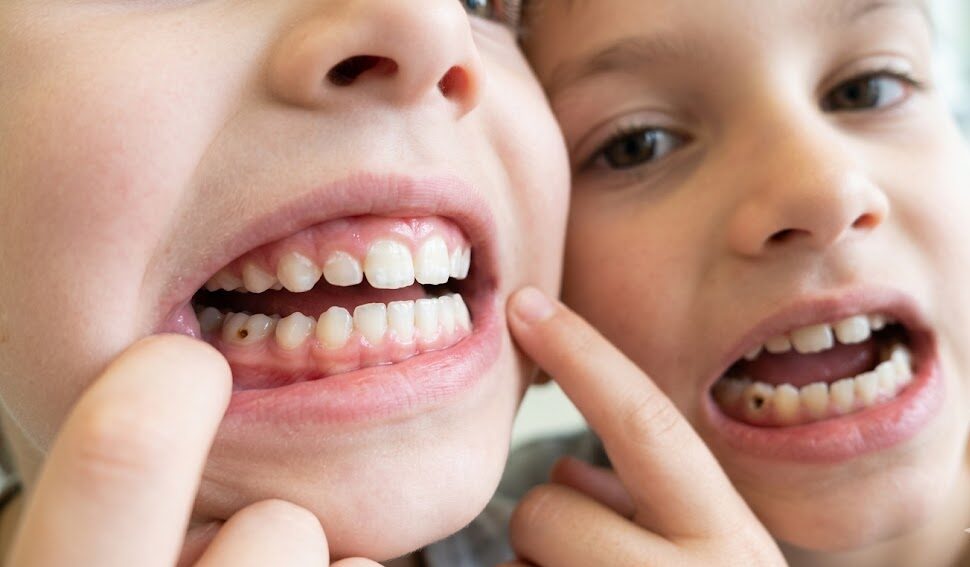
At 2nd Ave Family Dental in Durango, CO, I often remind parents that tooth decay does not always hurt at first. A child may keep eating, smiling, and brushing while early enamel changes are already starting.
The earlier we catch decay, the simpler care can often be. Sometimes that means improving brushing, flossing, fluoride, sealants, and snack routines. Other times, a tooth may already need treatment. The important thing is not waiting until your child is in pain.
- Common signs of tooth decay in children.
- Why cavities may not hurt in the early stages.
- When Durango parents should schedule a dental visit.
- How brushing, flossing, snacks, fluoride, and sealants help reduce cavity risk.
Early Signs of Tooth Decay in Children
Early decay may show up as a chalky white spot on the tooth. That can mean enamel is losing minerals. As decay progresses, the area may turn light brown, dark brown, or black. Sometimes parents notice a visible pit or hole, but many cavities are harder to see, especially between teeth or in molar grooves.
In my experience, parents often notice behavior changes before they see the cavity. A child may chew on one side, complain about cold drinks, avoid crunchy foods, or say food keeps getting stuck in one place.
White Spots
Chalky white areas may be an early sign that enamel is weakening.
Brown or Dark Spots
Darker color changes may suggest decay is progressing deeper into the tooth.
Food Trapping
Food repeatedly stuck between the same teeth can point to a cavity or tight contact.
Sensitivity
Complaints with cold, sweet, or chewing pressure should be checked.
Symptoms Kids May Show When a Cavity Is Developing
Children do not always describe dental pain clearly. Some kids say a tooth “feels funny.” Some avoid a food they used to like. Some become fussy at meals or brush quickly because one area is tender.
| What Parents Notice | Possible Meaning | What to Do |
|---|---|---|
| Avoiding one side | A tooth may be sensitive or painful. | Schedule a dental exam. |
| Bad breath | Plaque, cavities, dry mouth, or gum irritation may be involved. | Mention it during the visit. |
| Food stuck often | There may be decay between teeth or a tight food trap. | Ask whether flossing or treatment is needed. |
| Swelling or gum bump | Infection may be present. | Call the dentist promptly. |
For related parent guidance, read can cavities in baby teeth affect permanent teeth, how to prevent cavities in children, and why baby teeth are important.
What Causes Tooth Decay in Children?
Tooth decay happens when plaque bacteria interact with sugars and starches from food and drinks. The bacteria produce acids that weaken enamel. If enamel loses more minerals than it can repair, a cavity can form.
For Durango families, I usually focus on practical patterns: frequent snacks, juice, sports drinks, sticky foods, bedtime brushing, flossing once teeth touch, and routine checkups. It is rarely one cookie or one birthday party. It is the daily rhythm that matters most.
Frequent Snacking
All-day grazing keeps teeth exposed to repeated acid attacks.
Sticky Foods
Gummies, dried fruit, crackers, and chewy bars can cling to teeth longer.
Missed Flossing
Once teeth touch, toothbrush bristles cannot fully clean between them.
Deep Molar Grooves
Back teeth can trap plaque and food, which is why sealants may help some kids.
Helpful next reads include when children should start flossing, how to teach kids proper brushing techniques, and how diet affects a child’s oral health.
When Should Parents Call the Dentist?
If you see a color change, a visible hole, swelling, or a gum bump, call the dentist. If your child reports pain, sensitivity, or avoids chewing, call as well. Tooth decay is easier to manage when it is caught early.
- White, brown, or black spots on teeth.
- A visible hole, chip, or rough area.
- Pain with chewing, sweets, cold, or brushing.
- Food repeatedly stuck between the same teeth.
- Swelling, drainage, fever, or a gum bump.
- Bad breath that does not improve with brushing.
How to Prevent Tooth Decay in Children
Prevention works best when it is realistic. I do not expect parents to run a perfect household. I do want families to know the few habits that make the biggest difference.
Brush Twice Daily
Night brushing is especially important because plaque and food sit longer during sleep.
Floss When Teeth Touch
Flossing helps clean the tight spaces where cavities often hide.
Use Water Between Meals
Water helps rinse the mouth without adding sugar or acid.
Keep Checkups Routine
Cleanings and exams help catch early changes before they become painful.
For prevention tools, see fluoride treatments for children, what dental sealants are for kids, and best snacks for healthy teeth.
How We Check for Tooth Decay at a Child’s Visit
During a child’s visit, we look for visible decay, enamel changes, plaque patterns, gum health, food traps, tooth sensitivity, and bite or spacing issues. Sometimes we may recommend dental X-rays when needed to check areas we cannot see clearly, especially between teeth.
The goal is to explain findings in plain language. If something is small, we talk about how to keep it from getting worse. If treatment is needed, we explain why, what options exist, and how to keep your child comfortable.
| What We Check | Why It Matters | What Parents Learn |
|---|---|---|
| Enamel Changes | White spots can signal early mineral loss. | Whether fluoride or home-care changes may help. |
| Between Teeth | Cavities can hide where parents cannot see. | Whether flossing or X-rays are needed. |
| Molars | Grooves can trap plaque and food. | Whether sealants may help protect back teeth. |
| Gums and Comfort | Swelling or tenderness can suggest deeper issues. | Whether treatment or closer monitoring is needed. |
If your child is nervous about dental visits, read how to handle dental anxiety in kids, how to help kids overcome fear of the dentist, and what to expect during a child’s cleaning.
What Happens if Tooth Decay Is Left Untreated?
Untreated tooth decay can progress from enamel damage to a deeper cavity. Over time, decay can reach the nerve, cause pain, infection, swelling, or early tooth loss. In baby teeth, that can also affect chewing, speech, sleep, school comfort, and space for adult teeth.
- Toothache or sensitivity.
- Difficulty chewing or avoiding certain foods.
- Infection, swelling, or gum bumps.
- Emergency dental visits.
- Early baby tooth loss and spacing concerns.
- Higher future cavity risk.
Related guides: how to manage pain after pediatric dental treatments, are tooth extractions safe for kids, and how to prevent baby bottle tooth decay.