
What Should You Do If Your Child Gets a Toothache on Vacation?
If your child gets a toothache on vacation, check for swelling, fever, trauma, or trouble swallowing first. If symptoms are mild, clean the area, avoid chewing on that side, call for guidance, and schedule a dental exam when you are back in Durango.
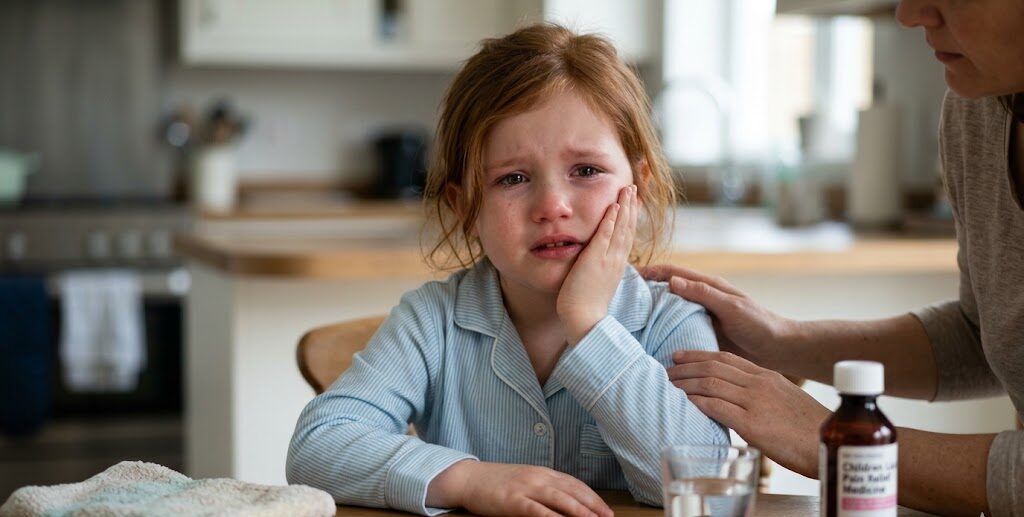
Here is the short answer: if your child gets a toothache on vacation, check for swelling, fever, trauma, trouble swallowing, or a broken tooth first. If any of those are present, get local dental or medical help. If the pain is mild and your child is otherwise okay, clean the area, avoid chewing on that side, call for guidance, and schedule a dental exam when you are back in Durango.
Here is exactly what to expect, what to watch, and how to keep the situation from turning into a family mystery novel with too many snacks and not enough floss.
- What should you do first? Ask where it hurts, look for swelling or trauma, clean around the tooth, and keep your child chewing on the other side.
- When should you get local help? Facial swelling, fever, trouble swallowing, injury, a knocked-out tooth, or severe pain deserves local dental or medical care.
- Can a cavity cause vacation tooth pain? Yes. A cavity may be quiet at home and complain loudly once travel snacks and schedule changes enter the chat.
- Should you call your dentist from vacation? Yes, especially if you are unsure. More guidance can happen by phone than parents expect.
- What happens when you get home? A child dental exam can check for cavities, food traps, loose teeth, gum irritation, or a tooth that needs treatment.
What Should You Do in the First Few Minutes?
Start boring. Boring is good in a toothache moment. Ask your child to point with one finger to where it hurts. Check whether the face looks swollen. Look at the gum around the tooth if your child will let you. Ask whether they bumped the tooth, bit something hard, or had pain before the trip.
Check the big red flags
Facial swelling, fever, trouble swallowing, breathing trouble, trauma, or a knocked-out tooth means you should seek local help.
Clean around the tooth
Have your child rinse with water. Gently use floss if food seems stuck. Do not force anything if your child is too sore or scared.
Change the chewing plan
Soft foods and chewing on the other side can help avoid poking the sore tooth while you decide what comes next.
Call for guidance
If you are a 2nd Ave patient, call us at (970) 247-4848. If you are far from Durango and symptoms are concerning, contact a local dentist or medical clinic.
Write down what you notice
Time, trigger, swelling, temperature sensitivity, and whether pain comes and goes can help the dentist narrow things down.
MouthHealthy’s travel guidance recommends keeping your dentist’s contact information handy and calling when you are unsure whether something needs local treatment or can be handled when you get home. That is practical advice for parents, especially when everyone is tired and the hotel room lighting is doing you no favors.
Which Toothache Symptoms Matter Most on Vacation?
Children do not always describe dental pain clearly. “It hurts” might mean a cavity, food stuck between teeth, a loose baby tooth, a new adult tooth coming in, a cracked filling, a sinus issue, or a tooth that got bumped at the pool. You are not expected to diagnose it from the passenger seat. You are gathering clues.
| What You Notice | What It Could Mean | What to Do |
|---|---|---|
| Pain only when chewing | A cavity, cracked tooth, loose filling, or food trap may be involved. | Have your child chew on the other side and schedule an exam. |
| Cold sensitivity | A cavity, exposed area, new tooth, or irritated tooth may be reacting. | Track whether it fades quickly or lingers. |
| Food stuck in one spot | There may be a gap, cavity, or contact that catches food. | Use floss gently if tolerated; mention it at the visit. |
| Swelling, fever, or gum bump | Infection may be present. | Get local dental or medical help. |
| Tooth injury | A fracture, loosened tooth, or displaced tooth may need time-sensitive care. | Contact a local dentist or emergency medical service based on severity. |
If you see swelling around the face or jaw, if your child has fever, or if swallowing or breathing feels affected, treat that as more than a routine toothache and get local medical or dental care.
What Causes a Kids Toothache During Travel?
Travel does not magically create cavities in one weekend. But vacation can reveal a problem that was already brewing quietly. Different foods, more frequent snacking, late nights, skipped flossing, and a lot of “we will brush after the next stop” can make a tender tooth speak up.
Cavities
Tooth decay can start quietly. MouthHealthy explains that plaque bacteria use sugars to produce acids that can break down enamel over time.
Food Traps
Popcorn, jerky, berries, crackers, and vacation snacks can wedge between teeth and make a child very dramatic. Sometimes they have a point.
Loose or New Teeth
A baby tooth that is ready to move or an adult tooth coming in can feel sore, especially when your child is tired.
Dental Injury
Bike spills, pool bumps, playground falls, and sports can irritate or damage a tooth.
For prevention background, MouthHealthy’s cavities overview points to familiar basics: brush with fluoride toothpaste, clean between teeth, limit frequent snacking, and see your dentist regularly. The CDC’s fluoride information is also useful if your child mostly drinks bottled water while traveling or camping.
What Should You Pack for Dental Peace of Mind?
You do not need a suitcase full of dental supplies. You need a small kit that makes good habits easier when everyone is dusty, tired, sunburned, and somehow sticky.
- Child toothbrush and fluoride toothpaste.
- Flossers or floss picks, especially if your child has teeth that touch.
- Reusable water bottle.
- Orthodontic wax if your child has braces.
- Any retainer, mouthguard, or nightguard your child already uses.
- 2nd Ave Family Dental’s phone number: (970) 247-4848.
Real talk: if brushing slides one night after a long drive, do not turn it into a family courtroom drama. Get back on track. Protect night brushing when you can. Water after snacks helps. And if you are camping or traveling where water safety is uncertain, follow sensible travel hygiene and use clean bottled water for brushing.
What Happens When You Are Back in Durango?
When your child comes in after a vacation toothache, I am not looking for someone to blame. No judgment. I am looking for the source of the pain and the simplest plan that makes sense.
| Part of the Visit | Why It Helps | What You Leave Knowing |
|---|---|---|
| History | You tell me when pain started and what made it better or worse. | Whether the pattern sounds like decay, injury, eruption, or irritation. |
| Exam | I check the tooth, gums, bite, and nearby teeth. | What looks healthy and what needs attention. |
| X-ray conversation | Sometimes an image helps see between teeth or under old dental work. | Whether an X-ray is useful for this specific symptom. |
| Treatment plan | If care is needed, I explain the options step by step. | What happens next and how to keep your child comfortable. |
A dental cleaning and exam can be a good place to start if your child has not been seen recently. You can also review general and family dentistry if you are trying to find one Durango office for your family.
How Can You Lower the Chance of a Toothache on the Next Trip?
No parent can prevent every toothache. Kids are small chaos engines with teeth. But you can reduce the odds with a few predictable habits.
Schedule before big trips
If your child is due for a visit or has had cavities before, a pre-travel check can help spot issues early.
Protect night brushing
Morning routines change on vacation. Night brushing is the one I most want to keep.
Use water between snacks
Frequent sugar exposure is harder on teeth than a single dessert. Water helps reset the mouth.
Ask about sealants and fluoride
If your child is cavity-prone, prevention tools may be worth discussing at the next visit.
Use patient resources if you are planning a first visit or trying to coordinate care after travel. We cater to cowards, and that includes kids, parents, and vacation planners who are doing their best.