
Should Kids Use Mouthwash?
Kids can use mouthwash when they are old enough to swish and spit safely, but it should not replace brushing, flossing, fluoride guidance, or routine dental cleanings.
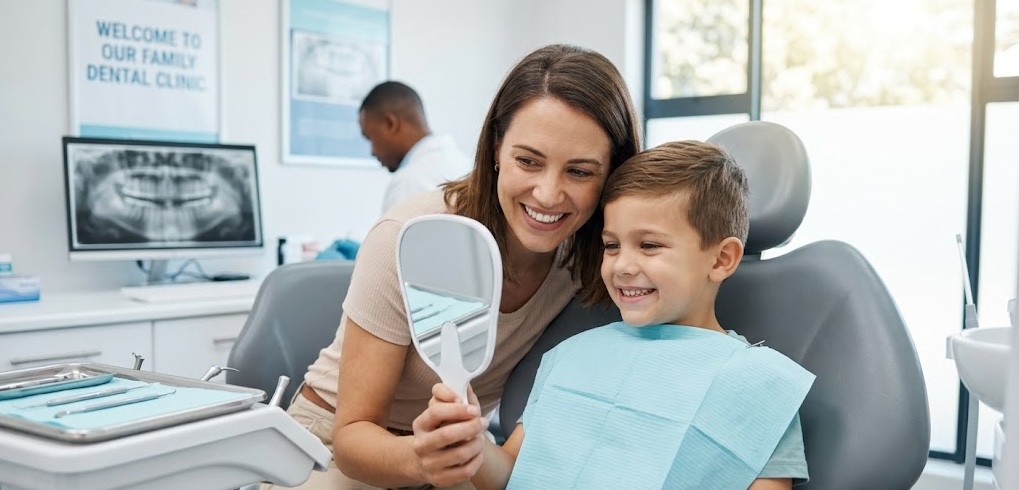
At 2nd Ave Family Dental in Durango, CO, we encourage parents to think of mouthwash as a possible extra tool—not the foundation of oral hygiene. The foundation is still brushing twice a day, flossing when teeth touch, drinking water, limiting frequent sugary snacks, and keeping routine dental visits.
For many children, mouthwash is not necessary. For others, a dentist may recommend a specific type, especially if the child has higher cavity risk, braces, bad breath concerns, or trouble cleaning certain areas.
- When mouthwash becomes safe and useful for children.
- Why mouthwash should not replace brushing or flossing.
- How to teach kids to rinse without swallowing.
- When Durango parents should ask a dentist for personalized guidance.
When Is Mouthwash Safe for Kids?
Mouthwash is usually best for children who can reliably swish, rinse, and spit without swallowing. That skill matters because many mouthwashes are not meant to be swallowed, even if they are marketed for children.
Age alone is not enough. Some children are ready earlier than others. A child who still swallows toothpaste, struggles to spit, or treats rinses like a drink should wait. If you are unsure, ask your dental team during your child’s next cleaning in Durango.
Swish and Spit First
Your child should be able to rinse and spit consistently before mouthwash becomes part of the routine.
Supervision Matters
Parents should supervise mouthwash use, especially when children are still learning.
Use the Right Product
Choose an age-appropriate rinse only when it fits your child’s needs and your dentist’s guidance.
Do Not Use as a Shortcut
Mouthwash cannot clean plaque the way brushing and flossing do.
What Type of Mouthwash Should Kids Use?
Not all mouthwash is the same. Some rinses are designed to freshen breath. Others contain fluoride to support enamel strength. Some adult mouthwashes may contain alcohol or stronger ingredients that are not appropriate for younger children.
For children, the safest choice is usually an alcohol-free, age-appropriate product recommended by a dentist. If your child has cavities, braces, dry mouth, enamel concerns, or bad breath, the right product may depend on the underlying issue.
| Type | What It May Help With | Parent Note |
|---|---|---|
| Fluoride Rinse | May help strengthen enamel and support cavity prevention. | Best used when a dentist says it is appropriate for your child. |
| Alcohol-Free Rinse | May be gentler for children and better suited to family use. | Still requires supervision and proper spitting. |
| Breath-Freshening Rinse | May temporarily improve breath odor. | Bad breath can also come from plaque, cavities, dry mouth, or gum irritation. |
| Adult Mouthwash | May contain ingredients not ideal for children. | Do not assume adult products are safe for kids. |
For related guidance, read how to teach kids proper brushing techniques, helping kids brush and floss, and fluoride treatment guidance for children.
What Mouthwash Can and Cannot Do
Mouthwash can support oral hygiene, but it cannot remove sticky plaque by itself. Plaque is a film that needs mechanical cleaning from brushing and flossing. If a child uses mouthwash but brushes poorly, cavity risk can still stay high.
It Can Add Support
A dentist-recommended rinse may support enamel protection or breath freshness depending on your child’s needs.
It Cannot Remove Plaque Alone
Brushing and flossing are still needed because mouthwash does not scrub plaque away from teeth.
It Cannot Fix Poor Snack Habits
Frequent sugary or acidic snacks and drinks can still raise cavity risk even if a child rinses.
It Should Not Hide Symptoms
If bad breath, bleeding gums, or tooth sensitivity persists, schedule a dental visit instead of relying on mouthwash.
If your child dislikes brushing, mouthwash is not the solution. Start by making brushing easier, more visual, and more consistent. Then ask the dentist whether a rinse should be added.
How to Teach Kids to Use Mouthwash Safely
Before using mouthwash, practice with water. Ask your child to take a small sip, swish gently, and spit into the sink. If they swallow it, laugh it off and wait. There is no need to rush.
Once your child can spit reliably, keep mouthwash supervised. Measure the correct amount, use the product only as directed, and store it out of reach when not in use.
Practice With Water
Teach swish-and-spit using water before introducing any mouthwash.
Measure the Amount
Do not let children pour freely. Use only the amount recommended on the product or by your dentist.
Supervise Every Time
Supervision helps prevent swallowing and overuse.
Store It Safely
Keep mouthwash out of reach, especially for younger children who may like the flavor.
For cavity-prevention context, visit how to prevent cavities in children, best snacks for healthy teeth, and dental sealants for kids.
When Should Parents Ask a Dentist About Mouthwash?
Ask your dentist before adding mouthwash if your child has frequent cavities, braces, enamel concerns, dry mouth, bad breath, bleeding gums, or trouble brushing well. A rinse may help in some situations, but the recommendation should match the real cause.
- Frequent cavities or early enamel changes.
- Braces or appliances that make cleaning harder.
- Bad breath that does not improve with brushing.
- Bleeding gums or gumline plaque.
- Trouble brushing and flossing consistently.
How Mouthwash Fits Into a Healthy Routine
The strongest oral hygiene routines are simple and repeatable. For most children, that means brushing twice a day, flossing when teeth touch, drinking water between meals, choosing tooth-friendly snacks, and visiting the dentist regularly.
Brush First
Brushing removes plaque from tooth surfaces and should remain the foundation of daily care.
Floss When Needed
Once teeth touch, flossing helps clean where toothbrush bristles cannot reach.
Use Rinse Only When Ready
Mouthwash may be added when a child can spit safely and the product fits their needs.
Keep Checkups Routine
Routine dental visits help parents know whether the home-care routine is working.