
Can Cavities in Baby Teeth Affect Permanent Teeth?
Yes. Untreated cavities in baby teeth can affect a child’s comfort, chewing, speech, spacing, infection risk, and the health of the adult teeth developing underneath.
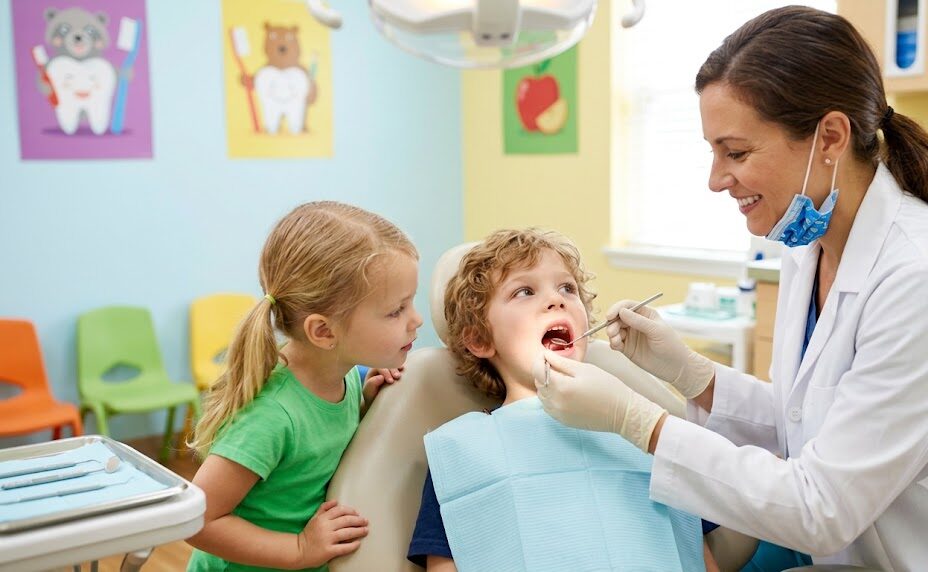
At 2nd Ave Family Dental in Durango, CO, I talk with parents about this all the time: “If the tooth is going to fall out anyway, do we really need to treat it?” The honest answer is: sometimes yes, because baby teeth do more than fill space. They help children chew, speak clearly, smile confidently, and guide permanent teeth into position.
When a baby tooth cavity is small, we may be able to manage it conservatively. When decay is left alone too long, it can lead to pain, infection, early tooth loss, spacing problems, and increased cavity risk in the adult teeth. The goal is not to scare families. The goal is to catch problems early so care stays simple, comfortable, and practical.
- How cavities in baby teeth can affect permanent teeth.
- Why baby teeth are important for spacing, chewing, speech, and development.
- What warning signs parents in Durango, CO should watch for.
- How prevention and early treatment protect long-term oral health.
Why Baby Teeth Matter More Than Many Parents Realize
Baby teeth are not “practice teeth.” They are working teeth. They help children bite into food, chew comfortably, speak clearly, and maintain space for the permanent teeth that are developing under the gums.
In our Durango community, I see busy families trying to balance school, sports, mountain weekends, work schedules, and bedtime routines. It is easy for a small cavity to feel like something that can wait. But baby teeth may stay in the mouth for years. A cavity in a baby molar can affect a child long before that tooth is ready to fall out naturally.
They Hold Space
Baby teeth guide adult teeth into better position. Early tooth loss can affect spacing and eruption patterns.
They Support Eating
Painful teeth can make kids avoid chewing on one side or avoid certain foods.
They Help Speech
Healthy front teeth and proper spacing can support clearer speech development.
They Protect Confidence
Dental pain or visible decay can affect how a child smiles, eats, and participates socially.
How Cavities in Baby Teeth Can Affect Permanent Teeth
Cavities are caused by bacteria, plaque, sugars, and acid. If decay stays small, it may be easier to treat. If it reaches deeper layers of the tooth, it can cause pain, infection, swelling, and damage to surrounding tissues.
The permanent tooth develops under or near the baby tooth. A severe infection in a baby tooth can sometimes affect the area around the developing adult tooth. Even when the permanent tooth itself is not directly damaged, untreated decay can change the child’s oral environment and increase the risk of future cavities.
| What Can Happen | Why It Matters | What Parents Should Do |
|---|---|---|
| Pain or Sensitivity | A child may avoid chewing, brushing, or eating normally. | Schedule a dental exam before the pain becomes urgent. |
| Infection | Deep decay can reach the nerve and lead to swelling or abscess. | Call the dentist promptly if swelling, fever, or gum bumps appear. |
| Early Tooth Loss | Losing a baby tooth too early can affect space for adult teeth. | Ask whether spacing or orthodontic monitoring is needed. |
| Higher Cavity Risk | A child with untreated decay may be more likely to develop more cavities later. | Build a prevention plan with brushing, flossing, fluoride, snacks, and checkups. |
For related parent guidance, read why baby teeth are important, how to prevent cavities in children, and when kids start losing baby teeth.
Signs a Baby Tooth Cavity Needs Attention
Some cavities are obvious. Others hide between teeth or in the grooves of molars. That is why routine cleanings matter. Parents may not see a problem until it is already causing discomfort.
White, Brown, or Dark Spots
Early enamel changes may appear as chalky white spots. Brown or dark areas may suggest more advanced decay.
Complaints About Chewing
If your child avoids one side of the mouth or stops eating certain foods, a tooth may be sensitive or painful.
Food Getting Stuck
Repeated food trapping between the same teeth can point to a cavity or tight contact that needs evaluation.
Gum Bumps or Swelling
A pimple-like bump, swelling, drainage, or fever should be checked quickly because infection may be present.
If something looks different, smells different, hurts, or keeps catching food, it is worth checking. A quick visit can often give you clarity and prevent a small concern from becoming an emergency.
How Baby Tooth Cavities Are Treated
Treatment depends on the child’s age, the size of the cavity, symptoms, the tooth involved, and how long that tooth is expected to stay in the mouth. Not every cavity needs the same solution.
At 2nd Ave Family Dental, the first step is always a clear exam and explanation. Parents should understand what we see, why it matters, what options exist, and what happens if treatment is delayed.
Early Monitoring
Very early enamel changes may be monitored with improved home care, fluoride guidance, and closer follow-up.
Fillings
Small or moderate cavities may need a filling to remove decay and restore the tooth.
More Protective Care
Deeper decay may need more involved treatment depending on the tooth and symptoms.
Extraction When Necessary
If a tooth cannot be saved or infection risk is high, removal may be discussed along with space considerations.
If your child is nervous about treatment, these guides may help: how to handle dental anxiety in kids, anxiety-free dentistry, and how to manage pain after pediatric dental treatments.
How to Prevent Baby Tooth Cavities From Affecting Adult Teeth
Prevention works best when it is realistic. I do not expect families to be perfect. I do want parents to know the habits that make the biggest difference.
- Brush twice daily with age-appropriate toothpaste guidance.
- Floss once teeth touch and food can hide between them.
- Use water as the default drink between meals.
- Keep snacks structured instead of grazing all day.
- Ask about fluoride and sealants based on your child’s cavity risk.
- Schedule routine cleanings so small concerns are caught early.
For practical home-care support, see how to teach kids proper brushing techniques, when children should start flossing, and best snacks for healthy teeth.
Why Durango Families Should Not Wait on Baby Tooth Pain
Children are good at adapting. Some will chew on one side, avoid cold foods, or stop complaining because they think the discomfort is normal. That is why I encourage parents not to wait for a dramatic symptom before scheduling a visit.
Here in Durango, CO, families are active. Kids are in school, sports, skiing, biking, hiking, and everyday routines. Dental pain can interfere with sleep, eating, attention, and confidence. Treating baby tooth decay early can keep care simpler and help your child stay comfortable.
School Comfort
Tooth pain can distract children during class and meals.
Nutrition
Painful teeth can make kids avoid crunchy, cold, or chewy foods.
Sleep
Dental pain often feels worse at night and can disrupt rest.
Future Planning
Early care can help protect spacing, comfort, and adult tooth development.
How Routine Checkups Protect Baby and Permanent Teeth
Routine dental visits let us monitor both what parents can see and what is harder to notice at home. During a child’s visit, we can check for early decay, plaque patterns, gum concerns, loose teeth, spacing, adult tooth eruption, and bite development.
A cleaning is also a coaching opportunity. We can show your child where plaque is collecting and give you practical tips that fit your family’s schedule.