

Options for a Gummy Smile: What to Know
Options for a Gummy Smile: What to Know. Explain what causes a gummy smile appearance and what general categories of options exist to address it.
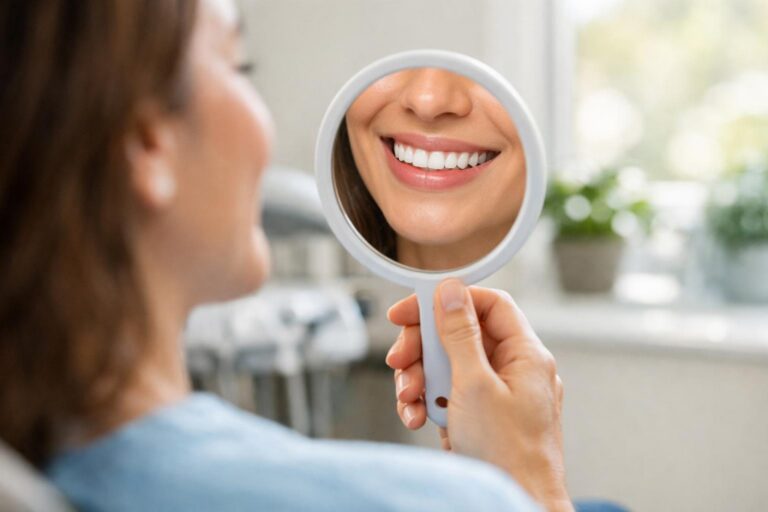
Start with the concern, not a label
Why does my smile show more gum than I want it to?There is not one universal cause or one universal treatment. A “gummy smile” is a description of appearance, not a diagnosis. In Durango, the sensible first step is an evaluation of teeth, gums, lip movement, tooth position, and facial proportions before discussing option categories.
I’m Dr. Taylor Clark. If options for a gummy smile has you worried about pain, judgment, cost, or a bigger treatment plan than you expected, you are not being difficult. You are asking for enough information to feel safe making a decision. Here is exactly what to expect from the conversation, which facts can be explained generally, and which answers have to wait until I have examined you.
What “gummy smile” actually describes
Short answer: The phrase describes how much gum shows when you smile; it does not identify why that appearance occurs.
The first useful question is what the finding means for this specific tooth, not what a similar photograph seemed to show online. For options for a gummy smile, that means separating appearance, comfort, function, and tooth health instead of letting one word carry the whole decision. A procedure name can sound definite before the evidence is definite. I would rather show you which finding supports the plan and which detail remains uncertain.
If the uncertainty is the part making you nervous, say that directly. I can explain the sequence before anything starts, pause between steps, and separate what is known from what still needs confirmation. In Durango, the local detail that matters most is not a mountain-town slogan. It is knowing that you can call a real office, describe the situation, and receive instructions based on the timing, symptoms, and treatment involved. The practice phone and approved service pages are included here so the next step stays concrete.
Use the appointment to compare options on the same terms: what each option treats, what it cannot correct, how much tooth or time it involves, how comfort is managed, what follow-up is expected, and what could change the plan. Ask for plain words. Ask to see the relevant record when appropriate. Ask what would make the dentist choose differently. Those questions turn options for a gummy smile from a frightening label into a decision you can understand.
Why the cause changes the option
Short answer: Gum position, tooth shape or eruption, tooth alignment, lip movement, and jaw relationships are different starting points and should not be treated as interchangeable.
The second question is what the proposed option changes and what it deliberately leaves alone. For options for a gummy smile, that means separating appearance, comfort, function, and tooth health instead of letting one word carry the whole decision. A procedure name can sound definite before the evidence is definite. I would rather show you which finding supports the plan and which detail remains uncertain.
You do not need to prove that your concern is serious enough to ask about. A clear description of what you see, feel, or fear is useful information, and it gives the appointment a better starting point. In Durango, the local detail that matters most is not a mountain-town slogan. It is knowing that you can call a real office, describe the situation, and receive instructions based on the timing, symptoms, and treatment involved. The practice phone and approved service pages are included here so the next step stays concrete.
Use the appointment to compare options on the same terms: what each option treats, what it cannot correct, how much tooth or time it involves, how comfort is managed, what follow-up is expected, and what could change the plan. Ask for plain words. Ask to see the relevant record when appropriate. Ask what would make the dentist choose differently. Those questions turn options for a gummy smile from a frightening label into a decision you can understand.
Describe what you see or feel without deciding what the diagnosis must be. Include when you noticed it, what changed, and what makes you most uneasy about options for a gummy smile.
The appearance or symptom has to be considered with the tooth, gums, bite, existing dental work, and medical information that could affect care.
Ask what each option changes, what it leaves unchanged, what sequence it requires, and which limits matter for your situation.
Tell the office about anxiety early. Ask how the visit is paced, what instructions follow, and which changes should prompt a call.
What a cosmetic evaluation may examine
Short answer: The evaluation may consider teeth, gums, smile line, bite, proportions, health, photographs, and any records needed to understand the pattern.
The third question is which part of the plan depends on an examination, imaging, medical history, bite analysis, or another professional’s input. For options for a gummy smile, that means separating appearance, comfort, function, and tooth health instead of letting one word carry the whole decision. A procedure name can sound definite before the evidence is definite. I would rather show you which finding supports the plan and which detail remains uncertain.
A calm plan does not hide tradeoffs. It names them in plain language so you can decide with a realistic picture of the visit, the commitment, and the follow-up. In Durango, the local detail that matters most is not a mountain-town slogan. It is knowing that you can call a real office, describe the situation, and receive instructions based on the timing, symptoms, and treatment involved. The practice phone and approved service pages are included here so the next step stays concrete.
Use the appointment to compare options on the same terms: what each option treats, what it cannot correct, how much tooth or time it involves, how comfort is managed, what follow-up is expected, and what could change the plan. Ask for plain words. Ask to see the relevant record when appropriate. Ask what would make the dentist choose differently. Those questions turn options for a gummy smile from a frightening label into a decision you can understand.
What broad option categories may be discussed
Short answer: Depending on the finding, the conversation may involve gum-focused treatment, restorative reshaping, orthodontic movement, lip-related management, jaw evaluation, or no treatment.
The fourth question is what happens later: maintenance, review, repair, retention, or the possibility that the restoration may need replacement. For options for a gummy smile, that means separating appearance, comfort, function, and tooth health instead of letting one word carry the whole decision. A procedure name can sound definite before the evidence is definite. I would rather show you which finding supports the plan and which detail remains uncertain.
No judgment belongs in this conversation. Wherever you are starting, the task is to understand the current condition and choose the next reasonable step. In Durango, the local detail that matters most is not a mountain-town slogan. It is knowing that you can call a real office, describe the situation, and receive instructions based on the timing, symptoms, and treatment involved. The practice phone and approved service pages are included here so the next step stays concrete.
Use the appointment to compare options on the same terms: what each option treats, what it cannot correct, how much tooth or time it involves, how comfort is managed, what follow-up is expected, and what could change the plan. Ask for plain words. Ask to see the relevant record when appropriate. Ask what would make the dentist choose differently. Those questions turn options for a gummy smile from a frightening label into a decision you can understand.
Real talk: The same visible concern can come from different structures. Choosing a procedure from social media or a single photo skips the most important step: finding out what is actually creating the appearance.
A plain-language comparison you can use
A comparison is useful only when each option is judged by the same questions. The table below is not a diagnosis or a treatment recommendation. It is a way to organize the next conversation so the fastest, least expensive, or least frightening-sounding choice does not automatically become the wrong choice for the tooth.
| Path or factor | What it generally means | What must be verified |
|---|---|---|
| Gum-related factor | The visible gum margin or tissue position may be part of the concern | Periodontal evaluation |
| Tooth-related factor | Tooth shape, visible length, wear, or eruption may influence proportions | Dental examination and records |
| Alignment-related factor | Tooth position may affect the smile line | Orthodontic evaluation |
| Lip or jaw factor | Movement or skeletal relationships may contribute | Appropriate specialist assessment |
Bring this comparison back to your priorities. If keeping the visit short matters, say so. If preserving as much tooth as reasonably possible matters, say so. If a previous dental experience makes certain steps hard, say so before treatment begins. Your comfort is not separate from clinical planning. It helps determine how information is delivered, how the appointment is structured, and whether additional comfort options need discussion.
Source basis: This guide uses current patient information from American Academy of Periodontology: gummy-smile diagnostic considerations, 2nd Ave Family Dental cosmetic dentistry page, 2nd Ave Family Dental, American Association of Orthodontists: clear aligners. Those sources support the broad process and comparison points. They do not replace an examination or authorize a patient-specific diagnosis, outcome, timeline, medication plan, price, or insurance promise.
What realistic planning sounds like
Short answer: Realistic planning defines what one option can change, what it cannot change, who should perform it, and what healing or maintenance questions need professional answers.
The first useful question is what the finding means for this specific tooth, not what a similar photograph seemed to show online. For options for a gummy smile, that means separating appearance, comfort, function, and tooth health instead of letting one word carry the whole decision. A procedure name can sound definite before the evidence is definite. I would rather show you which finding supports the plan and which detail remains uncertain.
If the uncertainty is the part making you nervous, say that directly. I can explain the sequence before anything starts, pause between steps, and separate what is known from what still needs confirmation. In Durango, the local detail that matters most is not a mountain-town slogan. It is knowing that you can call a real office, describe the situation, and receive instructions based on the timing, symptoms, and treatment involved. The practice phone and approved service pages are included here so the next step stays concrete.
Use the appointment to compare options on the same terms: what each option treats, what it cannot correct, how much tooth or time it involves, how comfort is managed, what follow-up is expected, and what could change the plan. Ask for plain words. Ask to see the relevant record when appropriate. Ask what would make the dentist choose differently. Those questions turn options for a gummy smile from a frightening label into a decision you can understand.
How to prepare for a consultation
Short answer: Bring clear goals and questions, but avoid deciding on a procedure before the cause has been evaluated.
The second question is what the proposed option changes and what it deliberately leaves alone. For options for a gummy smile, that means separating appearance, comfort, function, and tooth health instead of letting one word carry the whole decision. A procedure name can sound definite before the evidence is definite. I would rather show you which finding supports the plan and which detail remains uncertain.
You do not need to prove that your concern is serious enough to ask about. A clear description of what you see, feel, or fear is useful information, and it gives the appointment a better starting point. In Durango, the local detail that matters most is not a mountain-town slogan. It is knowing that you can call a real office, describe the situation, and receive instructions based on the timing, symptoms, and treatment involved. The practice phone and approved service pages are included here so the next step stays concrete.
Use the appointment to compare options on the same terms: what each option treats, what it cannot correct, how much tooth or time it involves, how comfort is managed, what follow-up is expected, and what could change the plan. Ask for plain words. Ask to see the relevant record when appropriate. Ask what would make the dentist choose differently. Those questions turn options for a gummy smile from a frightening label into a decision you can understand.
How to prepare without diagnosing yourself
- Write a short timeline. Note when you first noticed the concern, whether it changed, and what happened around that time.
- Name current symptoms plainly. Mention temperature sensitivity, pressure, swelling, a rough edge, movement, bleeding, or no symptoms at all without guessing the cause.
- List previous work on the tooth. Fillings, crowns, bonding, orthodontic treatment, injuries, or root canal treatment can affect the discussion.
- Bring health information. Medications, allergies, medical conditions, pregnancy, and previous reactions to dental treatment may matter.
- Say what makes you anxious. Fear of judgment, needles, sounds, loss of control, cost, or bad news can each be addressed more clearly when named.
- Ask for the next decision, not every future decision. Sometimes the best outcome of the first visit is a diagnosis and a clear plan for what to verify next.
Do not let a late-night search convince you that you already know the treatment. Online information is good for learning vocabulary and building questions. It is poor at showing how deep a crack runs, how much sound tooth remains, whether a bite contact is contributing, or which part of an X-ray is clinically meaningful. Those details belong in the examination.
A decision framework for the day of your visit
Start by separating the immediate problem from the long-term choice. The immediate question is whether anything about the tooth, gums, bite, or symptoms needs prompt attention. The longer-term question is which option best fits the clinical findings and your priorities. Those are related questions, but they are not identical. A visit may clarify the diagnosis before it settles every treatment detail, and that is still useful progress. If there is no urgent finding, you can use the extra time to compare benefits, limits, sequence, and follow-up without feeling pushed into a decision.
Next, ask what evidence supports the recommendation. That evidence might include the examination, photographs, X-rays when clinically indicated, the condition of existing dental work, bite contacts, or how much healthy tooth remains. You do not need to interpret those records on your own. Ask the dentist to point to the finding and explain why it matters. Then ask what information is still missing. This keeps the conversation honest: a clear recommendation can be confident without pretending that every future detail is guaranteed.
Then compare the plan with the alternatives that are reasonable for your case, including monitoring when monitoring is clinically appropriate. Ask what each path is intended to accomplish, what it does not accomplish, what maintenance it may require, and what would cause the plan to change. If an option sounds easier or more cosmetic, make sure the underlying health and function have not been skipped. If an option sounds more involved, ask which specific finding makes that added step worth considering. The goal is not to collect the largest number of choices. It is to understand the choices that actually fit the evidence.
Finally, decide what you need in order to feel safe enough for the next step. That may be a slower explanation, a written plan, a discussion of comfort options, time to review financial information, or a second conversation after the diagnosis is clear. Say that need out loud. I cannot promise a result, a perfectly predictable timeline, or a particular coverage decision, but I can make the process less mysterious. Before you leave, confirm the next action, who will contact whom, what changes should prompt a call, and which parts of the plan remain open. That short recap protects you from having to reconstruct the entire visit later.
Common questions about options for a gummy smile
Is a gummy smile a dental disease?
Not by itself. It is an appearance description. Gum health still matters, and an examination is needed to separate cosmetic proportions from health concerns.
Can bonding fix a gummy smile?
Bonding may change tooth shape in some cosmetic plans, but it does not address every cause of excess gum display. The cause and proportions have to guide the discussion.
Can clear aligners help?
Aligners move teeth and may be relevant when tooth position is part of the concern. They are not a universal treatment for gum display.
Is gum contouring always the answer?
No. A gum-focused procedure only makes sense when the evaluation supports it and health, tooth structure, and proportions allow it.
Will I need a specialist?
Possibly. Some plans are managed by a general or cosmetic dentist, while others may involve a periodontist, orthodontist, or another specialist.
Can a consultation predict exactly how my smile will look?
Planning tools can clarify a direction, but an exact appearance should not be guaranteed. Ask what is predictable and what remains variable.
What to ask before you agree to a plan
- Which structure is creating most of the gum display?
- Is this only cosmetic, or is there a health or bite issue to address?
- Which option changes the cause rather than masking it?
- Would another specialist improve the plan?
- What limits or tradeoffs should I understand?
- Which part of this answer is certain now, and which part could change after the next clinical step?
- What should I do if my symptoms, bite, temporary restoration, or comfort changes after the appointment?
You do not have to remember every detail while you are in the chair. Ask for the plan in writing when available. Repeat the main point back in your own words. If the explanation still feels unclear, ask for a slower version. A good next step should make you more capable of deciding, not more embarrassed that you asked.
Need a calm next-step conversation in Durango?
Wherever you’re starting from, I start from here. No judgment and no promise before the facts — just a clear conversation about options for a gummy smile and what needs to happen next.
Call (970) 247-4848