
Why Do My Teeth Hurt When I Drink Cold Summer Drinks?
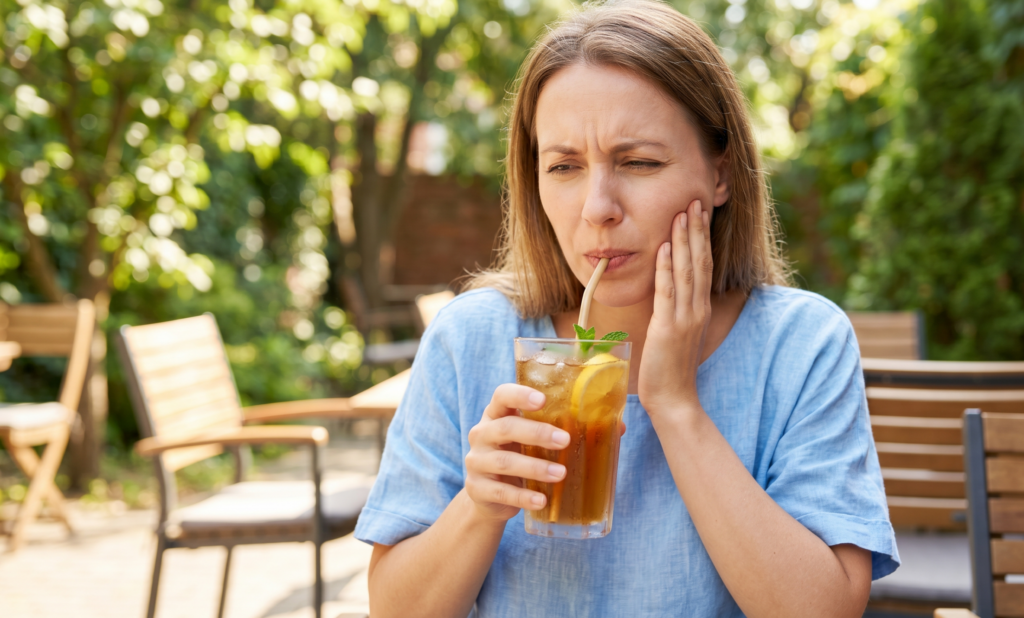
Cold drinks can make teeth hurt because of sensitivity, enamel wear, gum recession, cavities, cracked teeth, or worn fillings. If the feeling is new, one-sided, lingering, or getting stronger, it is time to have the tooth checked.
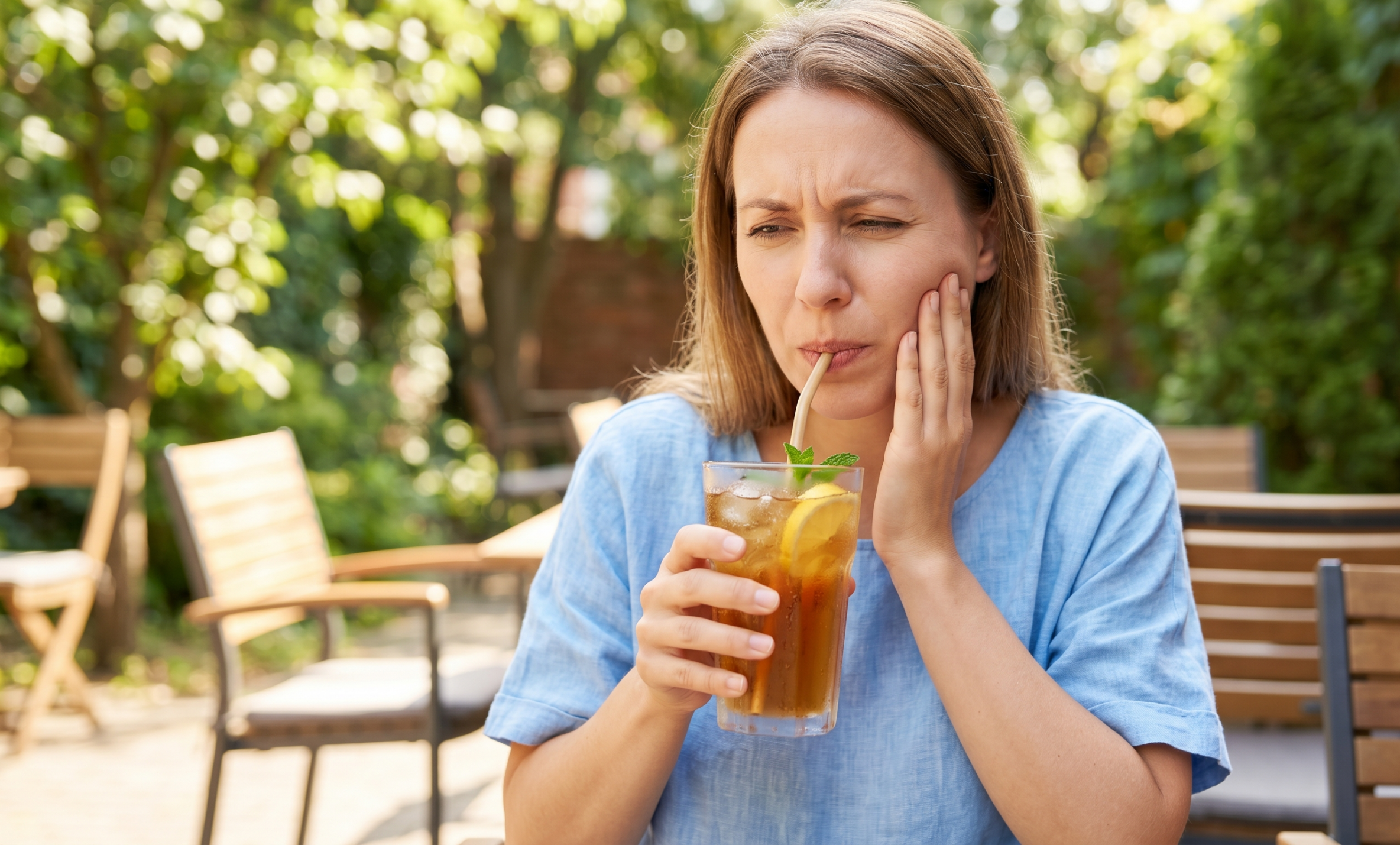
Durango summers are full of cold water bottles, iced coffee, river days, trail snacks, patio drinks, and the occasional frozen treat that seems personally committed to finding the sensitive tooth. Real talk: cold sensitivity has several possible causes, and guessing usually makes people more anxious.
Here is exactly what I check when you tell me your teeth hurt with cold drinks, what symptoms matter, and when a dental exam is the calm next step.
- Why do cold drinks make teeth hurt? Cold can reach sensitive areas when enamel is worn, roots are exposed, a filling is worn, a tooth is cracked, or decay is present.
- Is cold sensitivity always a cavity? No. Cavities are one possible cause, but not the only one.
- When should I schedule an exam? Schedule a visit if the sensitivity is new, worsening, localized to one tooth, lingers, or happens with chewing pain.
- Can a worn filling cause cold sensitivity? Yes. Worn or damaged fillings are one possible reason a tooth reacts to cold.
- What should I tell the dentist? Tell us where it happens, how long it lasts, what triggers it, and whether biting also hurts.
What can cold sensitivity feel like?
Cold sensitivity is not the same for everyone. Some people feel a fast zing that disappears quickly. Some feel a deeper ache that lingers. Some notice it only on one tooth. Others feel it across several teeth after whitening, brushing, or a cold drink.
Quick zing
A brief reaction can happen with exposed sensitive areas or enamel wear, but it is still worth tracking.
Lingering ache
Sensitivity that hangs around after the cold is gone deserves more attention.
One-tooth reaction
A single tooth reacting strongly may point to a filling, cavity, crack, or tooth-specific issue.
Chewing plus cold
If cold sensitivity comes with biting pain, say so. That detail matters.
Several teeth
Generalized sensitivity may relate to enamel wear, gum recession, whitening, brushing habits, or other factors.
When you call, you do not need the perfect dental vocabulary. “Cold water zaps the lower left tooth for five seconds” is excellent information.
What common causes do dentists check?
MouthHealthy lists several possible causes of sensitive teeth, including tooth decay, fractured teeth, worn fillings, gum disease, worn enamel, and exposed tooth roots. That is why I do not diagnose cold sensitivity from one symptom alone.
| Possible cause | What it means for your tooth |
|---|---|
| Exposed root surfaces | Gum recession can expose areas that are more sensitive to temperature. |
| Worn enamel | Acidic foods, brushing force, grinding, or time can affect enamel protection. |
| Cavities | Decay can create a pathway for cold to irritate the tooth. |
| Cracked teeth | Cracks can make a tooth react to cold or biting pressure. |
| Worn fillings | Old or damaged fillings may allow sensitivity around the repair. |
| Recent dental work | Some temporary sensitivity after treatment can happen, but it should be discussed if it lingers or worsens. |
The point is not to scare you with a list. The point is that there are several paths to the same symptom, and an exam helps us choose the right one.
When might cold sensitivity be a cavity or filling issue?
Cold sensitivity is more suspicious when it is new, focused on one tooth, connected to sweets, or paired with food trapping, a rough edge, or pain when you bite. Those details can point toward a cavity, an old filling edge, or a tooth that needs restorative care.
It is one specific tooth
General sensitivity and one-tooth sensitivity are different conversations.
It lingers after the sip
A quick zing and a lingering ache can mean different things.
Food catches nearby
Food trapping may suggest a filling edge, contact issue, or decay between teeth.
Floss shreds or catches
That can happen around a rough filling or tooth edge.
Biting hurts too
Cold plus pressure sensitivity can point to cracks, bite issues, or deeper tooth irritation.
If a filling is involved, we may talk about composite dental fillings. If a tooth has lost a lot of structure, we may discuss other restorative options. The exam tells us which path makes sense.
What should you not ignore?
I do not use fear to motivate patients. It does not work, and anxious patients already have enough alarm bells. But I do want you to take certain patterns seriously.
- Sensitivity that is new or getting stronger
- Pain that lingers after the cold drink is gone
- One tooth reacting much more than the others
- Pain when biting or releasing your bite
- Swelling, a gum bump, bad taste, or fever
- A chipped tooth, cracked tooth, or missing filling
If you are in Durango or the Four Corners and something feels off, call us. We can help you decide the next step without a lecture.
What should you ask at a dental exam for cold sensitivity?
Ask the simple questions. You are not bothering me. You are helping me help you.
What do you think is causing it?
Ask what the most likely causes are based on your exam.
Do I need X-rays?
Ask what an image would help confirm or rule out.
Is a filling involved?
If there is an old filling nearby, ask whether it still looks sealed and smooth.
What can I do at home?
Ask about brushing technique, toothpaste choices, fluoride conversations, and food or drink patterns.
When should I call back?
Ask what changes would mean the tooth needs to be checked sooner.
Wherever you are starting, we start from here. If you are nervous about coming in, that is fine. Call us anyway — we will talk through it first: (970) 247-4848.
These are the outside references I would use for neutral, patient-friendly context. They are not a substitute for an exam, but they do help you ask better questions.
FAQ
Is it normal for cold drinks to hurt my teeth?
Brief sensitivity can happen for several reasons, but new, worsening, one-sided, or lingering sensitivity should be checked.
Can cold sensitivity mean I have a cavity?
It can, but cavities are only one possible cause. Worn fillings, exposed roots, enamel wear, and cracks can also cause sensitivity.
Should I stop drinking cold drinks?
You can avoid triggers temporarily, but avoiding cold drinks does not tell you why the tooth is sensitive.
Can a cleaning help sensitive teeth?
A cleaning and exam can help identify plaque buildup, gum issues, cavities, worn fillings, and home-care factors that may contribute.
Where can I schedule a sensitivity exam in Durango?
Start with dental cleanings and exams or call 2nd Ave Family Dental at (970) 247-4848.