
Is Sedation Dentistry Safe for Patients with Medical Conditions
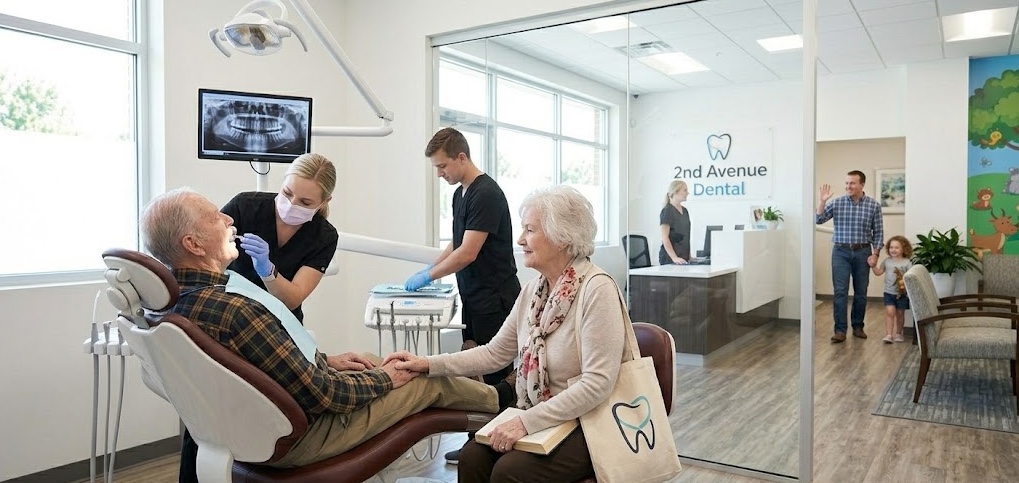
For many patients in Durango, CO, sedation dentistry can be safe—even with medical conditions—when it’s planned carefully, matched to your health history, and supported by responsible monitoring.
At 2nd Ave Family Dental (2AVD) in Durango, CO, we treat sedation as a structured clinical process, not a “one-size-fits-all upgrade.” That means we begin with what matters most: your medical conditions, medications, allergies, previous anesthesia experiences, and the specific dental treatment you need. From there, we recommend the least-intensive comfort option that still helps you feel calm and able to complete care.
This guide explains sedation safety in plain English: what we screen for, which health conditions require extra planning, how different sedation options compare, and what you can do to make your visit safer and more predictable. You’ll also find a Durango-focused FAQ based on questions we hear from local families, retirees, outdoor enthusiasts, and working professionals who want dentistry that feels manageable.
Explore related pages: Sedation Dentistry in Durango, CO, IV Sedation, Oral Sedation, Who Qualifies for Sedation Dentistry, Is Sedation Covered by Insurance?, Dental Cleanings & Exams, Contact.
The Plain-English Answer: Sedation Can Be Safe When It’s Individualized to Your Medical History
If you’ve been asking “Is sedation dentistry safe for someone like me?” you’re not alone. Many people in Durango, CO manage conditions like high blood pressure, diabetes, asthma, sleep apnea, thyroid disease, heart disease, or anxiety—and still need comfortable dental care.
In most cases, the safety question isn’t “Can you ever have sedation?” It’s: Which sedation option is safest for your body, for your medications, and for the dental procedure you need? The answer depends on screening, timing, and choosing the least-intensive approach that still works.
If you’ve been searching for phrases like “sedation dentist in Durango”, “IV sedation safe with medical conditions”, or “sedation dentistry for heart patients”, the best next step is a consultation—so we can replace uncertainty with a real plan.
Watch: How IV Sedation Works (Helpful Context Before We Talk Safety)
Before diving into medical-condition specifics, it helps to understand what IV sedation is and what it isn’t. This video explains the “relaxed but monitored” experience and why sedation is used in dentistry.
As you watch, keep one key safety principle in mind: sedation isn’t “better” because it’s stronger. The safest plan is the one that uses the right level of sedation for your needs—while accounting for your medical history.
What “Sedation Dentistry” Means (and Why the Level Matters for Medical Conditions)
“Sedation dentistry” can describe a range of options—from mild relaxation support to deeper, carefully monitored sedation. For patients with medical conditions, that range matters. Many conditions don’t automatically rule out sedation—they simply influence which option is safest.
Local anesthetic (“numbing”): Not sedation, but essential for comfort. You’re awake; the area is numb.
Nitrous oxide: Often used for mild to moderate anxiety; effects wear off quickly for many patients. Medical history still matters (especially for certain breathing conditions).
Oral sedation: Medication taken by mouth to reduce anxiety. You may feel drowsy and typically need a driver. Learn more: Oral Sedation.
IV sedation: Deeper relaxation delivered through an IV with careful monitoring. This can be helpful for severe dental anxiety, strong gag reflex, or longer procedures—when clinically appropriate. Learn more: IV Sedation.
Also remember: sedation helps with anxiety and the stress response, while numbing controls pain. Even with sedation, we typically use local anesthetic so the area being treated is comfortable.
To understand eligibility basics, start here: Who Qualifies for Sedation Dentistry.
Why Medical Conditions Change the Sedation Plan (Without Automatically Disqualifying You)
Medical conditions affect sedation planning in predictable ways. The goal is not to “label you high-risk.” The goal is to choose the safest method for your body and your procedure—so your appointment is calm, controlled, and predictable.
Breathing and airway
Asthma, COPD, sleep apnea, and related issues can influence oxygenation and airway stability—especially with deeper relaxation.
Heart and blood pressure
Hypertension, heart disease, arrhythmias, and stroke history may require additional vitals planning and stress-reduction strategy.
Medication interactions
Blood thinners, sleep meds, opioids, anti-anxiety medications, and some antidepressants can affect sedation choices and recovery.
Blood sugar management
Diabetes adds planning around fasting instructions, appointment timing, and medication routines on the day of treatment.
Liver and kidney function
Some sedatives are processed through the liver or kidneys, which may influence medication selection and dosing.
Stress response
For many conditions, the stress response (panic, BP spikes) is the bigger issue. A responsible sedation plan can improve stability.
The big idea: safety comes from matching the method to the patient
Many Durango patients assume a medical condition means “no sedation.” Often, the reality is “yes—with the right screening and the right level of sedation.”
If you want a calm starting point, begin with Dental Cleanings & Exams in Durango, CO so we can evaluate needs and build the safest plan forward.
Watch: Sedation Safety Message (Why Screening Matters)
This reel highlights a simple truth: sedation is safest when the right patient is selected and the plan is based on screening and consults—not rushed decisions.
If you have a medical condition, our goal is not to “push” sedation. Our goal is to choose the safest comfort option that helps you complete care without panic or overwhelm.
What Sedation Screening Looks Like for Medical Patients
“Sedation screening for medical patients” means we look beyond dental anxiety alone. We assess the full picture: diagnoses, stability, medications, airway considerations, and past reactions to anesthesia or sedation.
Health history review (the most important step)
We review conditions, allergies, prior anesthesia experiences, and whether your health is stable today (not just “diagnosed years ago”).
Medication and supplement review
We look for medication interactions, additive sedative effects, and other safety considerations. Bring a complete list (or the bottles).
Airway and breathing planning
Sleep apnea, asthma, COPD, and other airway factors can change which sedation option is safest and how recovery is planned.
Choosing the least-intensive option that still works
Sometimes oral sedation is enough. Sometimes IV sedation is the difference between “I can’t do this” and “I finally did it.”
Clear instructions and a recovery plan
Written instructions for eating/drinking restrictions, transportation, and aftercare are part of safety—not optional extras.
For a clear overview of who may be eligible, visit Who Qualifies for Sedation Dentistry.
Watch: What to Expect Before, During, and After Sedation (Planning Reduces Anxiety)
Many patients—especially those with medical conditions—feel calmer once they understand the “flow” of a sedation visit. This video walks through common pre-visit guidance, what appointment day may look like, and what recovery typically involves.
Takeaway for medically complex patients: the plan matters. When instructions are clear and your health history is reviewed carefully, sedation can feel predictable—rather than scary.
Common Medical Conditions and How They Influence Sedation Planning
This table is meant to help you understand why certain conditions require extra planning. It’s educational—not a substitute for medical advice. Your safest option depends on your specific health status, medications, and dental needs.
| Medical condition | Why it matters for sedation | Common planning steps | What you can do to help |
|---|---|---|---|
| High blood pressure | Stress can raise BP/heart rate; some meds interact | Confirm stability, monitor vitals, avoid rushing | Bring your medication list and recent BP trends if known |
| Heart disease / prior stent | Stress control and medication coordination may be needed | Review history; coordinate with physician when appropriate | Share recent cardiac care, symptoms, and medication changes |
| Arrhythmias | Stress and certain meds can affect rhythm | Review stability, select safest sedation level | Tell us your diagnosis and any recent symptom changes |
| Diabetes | Fasting + medication timing can affect blood sugar | Schedule strategically; provide specific instructions | Share whether you trend low, bring glucose info if available |
| Asthma | Airway sensitivity can be triggered by stress | Confirm control; plan inhaler use when needed | Bring your rescue inhaler and tell us your triggers |
| COPD / chronic lung disease | Oxygenation and ventilation planning is central | Careful selection of sedation depth and recovery plan | Share baseline symptoms and recent flare-ups |
| Sleep apnea | Airway stability can change with deeper relaxation | Plan sedation level carefully; reinforce recovery guidance | Tell us if you use CPAP and how severe your OSA is if known |
| Blood thinners | Bleeding risk affects certain procedures; stopping meds can be risky | Procedure-specific planning; coordinate when appropriate | Never stop blood thinners without medical guidance |
| Anxiety / panic disorder | Stress response can be the main barrier to care | Comfort-first planning; consider oral or IV sedation when appropriate | Tell us your triggers and what has helped in the past |
If you’re unsure where you fit, schedule a consultation so we can match comfort to safety: Contact 2AVD in Durango.
What Dental Treatments Can Often Be Completed With Sedation in Durango, CO
Sedation can support many types of care when anxiety, gag reflex, or longer appointments would otherwise keep you from completing treatment. At 2AVD in Durango, CO, we confirm what’s clinically appropriate for you and your health history.
Restorative dentistry: multiple fillings, repairing older restorations, or protecting a tooth with a crown. Explore: Restorative Dentistry in Durango.
Root canal treatment: comfort support can help if anxiety is high. Helpful reading: How Painful Is a Root Canal Really? and How Are Modern Root Canals Different Today?
Crowns and tooth protection: learn about materials and options: Different Types of Dental Crowns.
Implant planning and longer procedures: some patients consider comfort support for longer visits. Explore: Dental Implant Cost in Durango and Do Dental Implants Require Special Cleaning?
Local search note: if you’re looking for terms like “sedation dentist in Durango”, “IV sedation in Durango, CO”, or comfort options for longer restorative care, start with an exam so we can confirm what you need and the safest comfort pathway.
Watch: Sedation Dentistry Keeps You Comfortable During Procedures
This reel highlights what many Durango patients care about most: staying relaxed and getting needed care completed without white-knuckling the appointment.
For patients with medical conditions, “comfort” is not just emotional—it can support a steadier stress response, which is one reason screening and planning are so important.
Practical Safety Tips for Patients With Medical Conditions
If you have medical conditions and you want sedation dentistry in Durango, CO, you can improve safety by helping us plan accurately. These are the most common “high-impact” steps:
Bring a complete medication list: include prescriptions, OTC medications, and supplements.
Tell us what’s changed recently: new symptoms, medication changes, recent infections, or ER visits can affect planning.
Follow instructions exactly: eating/drinking restrictions and medication guidance are safety steps, not “red tape.”
Plan a true recovery day: no driving, no important decisions, and no demanding outdoor activity after oral or IV sedation.
Durango-specific reminder: if you’re an outdoor enthusiast, plan your sedation day like you would a medical procedure—no trailhead drives, no bike rides, no skiing, and no climbing the same day.
Watch: Patient Instructions for IV Sedation (Why the Rules Matter)
This video focuses on patient prep and recovery—like why you need a driver and why instructions around eating/drinking and medications are so important. For patients with medical conditions, these details can make sedation significantly safer.
Key takeaway: sedation works best when you treat it like a planned medical visit—arrive prepared, follow instructions, and give yourself time to recover.
Watch: Advancing Dental Care With Safe Sedation
This reel highlights the modern approach: safe, effective sedation is about appropriate selection, careful technique, and comfort-first planning.
If you have medical concerns, the “advanced” part is often the planning—choosing the right comfort option and aligning it with your health history.
Durango, CO FAQ: Sedation Dentistry Safety for Medical Conditions
I have high blood pressure. Can I still have sedation dentistry in Durango, CO?
Often, yes—especially if your blood pressure is controlled and your medications are stable. The safest plan depends on your recent readings, stress response, and the dental procedure. A consultation helps us choose the safest comfort option.
I have diabetes. How do fasting rules work for sedation?
Diabetes requires extra planning because fasting and medication timing can affect blood sugar. We provide instructions based on your specific case and the type of sedation being considered.
I take daily medications. Do I need to stop anything?
Do not stop medications unless your prescribing physician and dental team instruct you to. Medication review is a major part of sedation screening for medical patients.
I have sleep apnea. Does that mean I can’t do IV sedation?
Not automatically, but it does change airway planning and recovery instructions. We assess severity, CPAP use, and overall health before recommending a sedation approach.
Can sedation help if I have a strong gag reflex?
Often, yes. Gag reflex can be physical, anxiety-driven, or both. Comfort planning may reduce sensitivity and make care easier.
What if I’m anxious and I also need urgent dental care in Durango?
Start with diagnosis and stabilization first. Many urgent issues can be relieved once the cause is identified. See: Tooth Pain: When to Wait and When to Call the Dentist, then Contact 2AVD.
How do I know if I qualify?
The best step is an exam and a conversation. We review your health history, medications, and comfort needs, then recommend the safest option. Start here: Who Qualifies for Sedation Dentistry.
Key Takeaways (So You Can Make a Confident Plan)
Sedation dentistry can be safe for many patients with medical conditions when screening and planning are done carefully.
The safest option is individualized: we choose the least-intensive comfort method that still achieves a calm, controllable visit.
Medication review is essential: interactions and stability guide safe recommendations.
Airway/breathing conditions matter: asthma, COPD, and sleep apnea influence sedation choice and recovery planning.
The next step is a consultation in Durango, CO: we’ll review your history and build a comfort-first plan you can trust.
Want a Calm, Safety-First Dental Experience in Durango, CO?
If a medical condition (or daily medications) has made you hesitant about sedation dentistry, we’re here to help you get clear answers. We’ll review your history, discuss comfort options in plain language, and recommend the safest plan for your needs.
Whether you need routine prevention, restorative care, or help catching up after years of avoidance, our priority is comfort, clarity, and a plan you can actually complete.
Schedule a ConsultationMedically Reviewed by Dr. Taylor M. Clark, Durango Dentist
This article was medically reviewed by Dr. Taylor M. Clark, lead dentist at 2nd Avenue Dental in Durango, CO. Dr. Clark is known for patient-centered care, clear communication, and comfort-focused treatment planning, including sedation options when appropriate. To learn more about Dr. Clark’s background and approach to care, visit Dr. Taylor M. Clark, Durango Dentist. If you would like personalized guidance on sedation dentistry and whether it fits your medical history, contact our office to schedule a visit.