
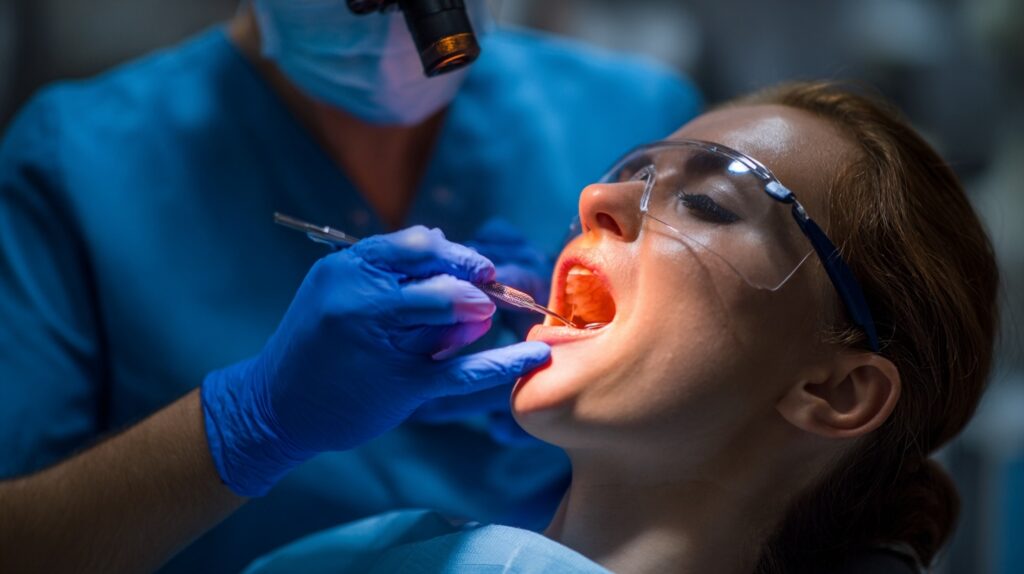
Most people who are worried about a root canal are really worried about one thing: “How much is this going to hurt?”
The reassuring part is that modern root canal treatment is performed with local anesthesia. The goal is to get the tooth numb, remove inflamed or infected tissue from inside it, and relieve the problem that brought you in.
At 2nd Ave Family Dental in Durango, we also know that being technically numb is only part of feeling comfortable. If you are anxious, worried about getting numb, or have had a bad dental experience before, tell us before we start.
At 2nd Ave, we cater to cowards. That means explaining what is happening, checking your comfort and giving you room to speak up if something does not feel right.
So, How Painful Is a Root Canal Really?
For most patients, root canal treatment should be manageable once the tooth is adequately numb.
You may notice pressure, vibration, movement or the sensation that someone is working on the tooth. What we do not want you to simply tolerate is sharp pain.
If something hurts during treatment, tell us.
Some teeth—especially teeth that are already severely inflamed—can be more challenging to anesthetize. That does not mean you are supposed to “tough it out.” It means we stop, reassess your comfort and adjust the anesthesia plan as appropriate.
Before Treatment
The tooth itself may already be producing significant pain from deep inflammation or infection.
During Treatment
With effective anesthesia, expect awareness of pressure and movement rather than sharp pain.
After Treatment
Temporary tenderness can happen as the tissues around the tooth settle.
If Something Feels Wrong
Severe or worsening pain, increasing swelling or a bite that feels noticeably high deserves a call.
Watch: What Real Root Canal Patients Say
This patient-education video from the American Association of Endodontists includes people describing what their root canal experience actually felt like.
The useful takeaway is not that every patient’s appointment feels identical. It is that the reputation of a root canal often sounds much worse than the experience patients describe after modern anesthesia and treatment.
What Is Actually Hurting Before a Root Canal?
Inside a tooth is soft tissue called the pulp. It contains nerves, blood vessels and connective tissue.
Deep decay, a crack, trauma or another problem can cause that tissue to become severely inflamed or infected.
That is often where the memorable pain comes from—not from the name of the procedure.
Deep inflammation: A damaged pulp can produce significant hot, cold or spontaneous pain.
Infection: Bacteria can reach the pulp through decay, fractures or other pathways.
Pressure around the root: Inflammation around the root can make biting or tapping on the tooth uncomfortable.
Not every toothache needs root canal treatment: Fillings, cracks, bite problems and other conditions can cause similar symptoms, which is why diagnosis comes first.
If you are trying to understand whether the problem is still at filling level or has reached the pulp, read How to Tell If You Need a Root Canal or a Filling.
What Does a Root Canal Feel Like While It Is Happening?
Most of the anxiety comes from not knowing what each part will feel like.
Getting Numb
Local anesthesia is used to numb the tooth and surrounding area.
If injections are the part you are most worried about, tell us. There is nothing unusual about being nervous about them.
Keeping the Tooth Isolated
A small protective sheet called a dental dam is commonly used to isolate the tooth and keep the treatment area clean and dry.
Cleaning Inside the Tooth
An opening is made so the inflamed or infected tissue can be removed and the canal spaces cleaned and shaped.
You may feel vibration or pressure from the dental instruments, but sharp pain is a reason to tell us—not a sensation you are expected to ignore.
Sealing the Canal Space
Once the canal system has been cleaned, it is filled and sealed as part of preventing bacteria from simply re-entering the space.
The exact appointment sequence can vary depending on the tooth and clinical situation.
Watch: Root Canal Treatment Step by Step
If not knowing the procedure is what makes you nervous, this video from the American Association of Endodontists provides a straightforward visual walkthrough.
The important thing to notice is the purpose of each step: access the damaged pulp, clean the canal system, seal the space and then restore the tooth appropriately.
What Is Normal After a Root Canal?
The tooth may feel different after treatment even though the inflamed or infected pulp has been removed.
The tissues around the root are still living tissues, and they may have been irritated before and during treatment.
Mild Tenderness
The area can feel tender when chewing for a short period after treatment.
A Different Bite Sensation
If the tooth feels dramatically taller than surrounding teeth or hits first every time you close, let us know.
Gradual Improvement
The overall direction should generally be toward improvement rather than steadily increasing pain.
Temporary Restoration
If the tooth has a temporary filling or crown, follow the chewing and cleaning instructions you were given until the final restoration is complete.
Why Do Some Root Canal Teeth Need a Crown?
A root canal treats the pulp inside the tooth.
It does not automatically rebuild everything that has happened to the outside of the tooth.
A tooth that needed root canal treatment may already have:
a large cavity;
a large previous filling;
a fracture or weakened remaining walls;
significant loss of tooth structure from treatment or previous damage.
For some teeth—particularly teeth exposed to significant chewing forces—a crown may be recommended to provide broader structural protection.
That is a separate restorative decision from cleaning the pulp inside the tooth.
Learn more about Dental Crowns in Durango.
When Should You Call After a Root Canal?
You do not need to panic over every tender bite. But you also do not need to spend a week wondering whether severe pain is something you are simply supposed to tolerate.
Pain Is Getting Worse
If discomfort is intensifying rather than improving, contact the office.
New or Increasing Swelling
Swelling deserves prompt attention, particularly if it is increasing.
Your Bite Feels High
If the treated tooth hits first or feels dramatically taller, a bite check may identify a straightforward problem.
A Temporary Restoration Comes Out
Contact the office rather than leaving the tooth unprotected or attempting a permanent repair yourself.
Difficulty Breathing or Swallowing
Significant facial swelling accompanied by difficulty breathing or swallowing requires urgent medical attention rather than waiting for a routine dental visit.
For a broader symptom guide, read Tooth Pain: When to Wait and When to Call the Dentist.
Root Canal Anxiety in Durango: You Are Not the Difficult Patient
Sometimes a patient arrives at our East 2nd Avenue office hurting badly and apologizes for being nervous before they even sit down.
You do not need to do that.
If you have been awake with tooth pain, have heard bad root canal stories from family or had trouble getting numb during dental treatment in the past, tell us.
At 2nd Ave Family Dental, we cater to cowards.
That does not mean pretending treatment is fun. It means recognizing that comfort includes:
knowing what happens next;
being able to ask us to pause;
telling us when something hurts;
understanding why treatment is being recommended;
and discussing additional comfort or sedation options when clinically appropriate.
Dr. Taylor Clark also completed two years of advanced anesthesiology training at UCLA, which gives the practice additional clinical background when evaluating comfort and sedation needs.
If anxiety is a major barrier to receiving dental care, explore Sedation Dentistry.
Root Canal, Filling, Crown or Extraction?
These treatments are not simply increasing levels of the same procedure.
| Option | What It Mainly Addresses | When It May Enter the Conversation |
|---|---|---|
| Composite Filling | A focused area of decayed or damaged tooth structure | Enough healthy tooth remains and the pulp does not require root canal treatment |
| Dental Crown | Broader structural protection | A tooth is weakened, cracked, heavily restored or has lost substantial structure |
| Root Canal Treatment | Inflamed, infected or damaged pulp inside the tooth | The pulp can no longer recover predictably or infection is present |
| Extraction | Removal of a tooth that cannot predictably be maintained | Damage, fracture, infection or other factors make saving the tooth inappropriate or unpredictable |
You do not need to decide which of these you need before coming in. The exam is what answers that question.
What You Should Take Away From This
The scary reputation is often worse than the procedure. Modern local anesthesia is intended to make root canal treatment manageable.
The painful tooth is often why the procedure is needed. Root canal treatment removes damaged or infected tissue from inside the tooth.
You may feel pressure, but sharp pain is something to mention. You are not expected to stay silent and tolerate it.
Some tenderness afterward can occur. The overall trend should generally be toward improvement.
The final restoration matters. Some treated teeth need a crown or another restoration to protect remaining tooth structure.
Worried About the Tooth—or the Root Canal?
Tell us which part is worrying you.
If your tooth is keeping you awake, hurting when you bite, swelling or becoming more sensitive, the first step is figuring out what is actually causing the problem.
And if the procedure itself is what scares you, tell us that too.
2nd Ave Family Dental
835 E 2nd Ave
Durango, CO 81301
(970) 247-4848