
How Does Sedation Improve Complex Dental Treatments
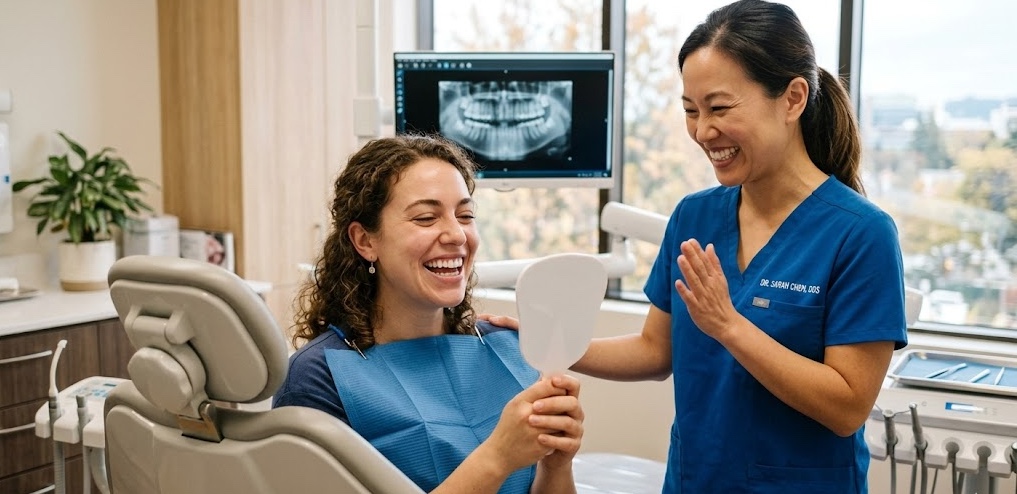
Complex dental care does not have to feel intimidating. If you need a longer procedure (or several procedures close together), the right sedation plan can help you stay calm, reduce physical fatigue, and make it easier to complete treatment safely—often with fewer “start/stop” moments and fewer postponed appointments.
At 2nd Ave Family Dental (2AVD) in Durango, CO, comfort is part of clinical quality. We combine a patient-first approach, modern techniques, and evidence-based sedation options so your care feels predictable, manageable, and respectful. Sedation is never a shortcut. It is a tool that can help the right patient get needed dentistry without white-knuckling the chair.
This guide explains what sedation does (and what it does not), why it can be especially helpful for complex or longer treatments, what types of sedation are commonly used, how we keep sedation planning safe, and how costs and insurance coverage usually work. You will also find a Durango-focused FAQ built around the questions we hear from local families, retirees, and working professionals.
Start here for related services and education: Sedation Dentistry in Durango, Different Types of Dental Sedation, Oral Sedation, IV Sedation, Who Qualifies for Sedation Dentistry, Is Sedation Covered by Insurance?, Contact our Durango Office.
Helpful services often connected to complex treatment planning: Restorative Dentistry, Dental Crowns, Composite Dental Fillings, Modern Root Canals, Full-Mouth Reconstruction, Same-Day Tooth Replacement Options.
The Plain-English Answer: Sedation Helps You Stay Calm and Steady During Longer Dentistry
Sedation dentistry uses medication to help you feel less anxious, less tense, and less “activated” by dental triggers (sound, vibration, water spray, pressure, gag reflex, or fear from past experiences). For some patients, sedation is the difference between “I can’t do this” and “I finally got it done.”
When treatment is complex—meaning it takes longer, requires multiple steps, or involves several teeth—your body and your nervous system can become the biggest obstacle. Sedation helps reduce that barrier so dentistry can be completed with better comfort and fewer interruptions.
Sedation supports relaxation and tolerance. It can reduce fear, help with gag reflex, and make longer appointments feel shorter.
Sedation does not replace numbing. Local anesthetic (“numbing”) is still used to prevent pain during treatment. Think “calm support” + “pain control.”
Sedation is not one-size-fits-all. The right option depends on health history, medications, anxiety level, and the procedure.
If you want a full overview of how sedation options compare, visit Different Types of Dental Sedation. If you want to know whether sedation is even appropriate for you, start with Who Qualifies for Sedation Dentistry.
Watch: Dental Sedation—What to Expect (Before, During, After)
This video gives a patient-friendly overview of sedation dentistry and the kinds of preparation and aftercare instructions that matter most—especially when you are planning more involved treatment.
As you watch, notice how often “safety” is really about planning: health screening, clear instructions, and choosing the least intensive option that still helps you complete care comfortably.
What Counts as a “Complex Dental Treatment” in Real Life?
Complex does not always mean rare. It usually means the appointment requires more time, more steps, or more precision than a short, routine visit. In Durango, CO, complex treatment planning often shows up in very normal situations: years of delayed care, old restorations breaking down, a cracked tooth from hard food, or tooth pain that became urgent during a busy season.
Multiple teeth need treatment
Several fillings, multiple crowns, or staged restorative work can be tiring without comfort support—especially if anxiety is already high.
Longer appointments
Even with a gentle team, keeping your mouth open and staying still for longer visits can create jaw fatigue and stress.
Root canal therapy + restoration
Saving an infected tooth often involves endodontic care plus a final restoration (frequently a crown) to protect the tooth.
Full-mouth reconstruction
When teeth are worn, broken, missing, or not working well together, care is sequenced carefully to rebuild function and comfort.
Dental fear and avoidance history
Complexity is sometimes emotional, not just clinical. If fear causes repeated cancellations or “I can’t do this,” sedation may help.
Stronger gag reflex or sensory sensitivity
Some patients struggle with dental sensations even during routine work—complex care becomes much harder without extra support.
A Durango reality: life is active
Outdoor lifestyle, work schedules, and family responsibilities often mean patients want fewer visits, less stress, and a plan they can actually complete. Sedation can help treatment fit real life—without rushing care.
Related guides that pair well with this topic:
Benefits of Restorative Dentistry
How to Fix a Broken or Cracked Tooth
What Happens During a Dental Crown Procedure
How Modern Root Canals Are Different Today
Watch: Sedation Dentistry as Advanced Comfort Care for Longer Treatments
This reel highlights sedation dentistry as an “advanced patient care” tool—often used to make longer dental treatments feel calmer and more manageable.
For many patients in Durango, CO, the goal is simple: reduce stress enough to finish treatment and protect long-term oral health—without feeling overwhelmed.
How Sedation Improves Complex Dentistry (Comfort, Safety, and Treatment Success)
Sedation is not only about “being less scared.” It can change how your body behaves during a procedure, which matters when dentistry requires precision. Here are the most common ways sedation improves complex treatment outcomes for the right patient:
Reduced tension = less jaw fatigue. Long appointments can create muscle strain. Relaxation makes it easier to tolerate the visit.
Less reactivity to triggers. Sound, vibration, water spray, and suction can feel intense when anxiety is high. Sedation lowers the “alarm response.”
More consistent stillness. Complex treatment often requires you to stay still for safety and precision. Sedation can help patients who struggle with that.
Fewer interruptions. When the appointment flows predictably, the experience often feels shorter, smoother, and less stressful.
Potentially fewer visits. Depending on your plan, sedation may allow more work to be completed in fewer appointments, reducing “lead-up anxiety.”
Many patients find that once they complete one sedation-supported visit, their future visits become easier too—because the fear loop breaks. If you have avoided care for years, starting with a calm baseline visit can help: Dental Cleanings & Exams.
Important Clarification: Sedation Helps You Relax, But Local Anesthetic Prevents Pain
One of the most common misunderstandings is thinking sedation means you will not need numbing. In almost all restorative dentistry, local anesthesia is still used. Sedation changes how you feel about the appointment—less fear, less tension, less time awareness—while local anesthetic prevents pain during treatment.
If you are nervous about “shots,” tell us. Many comfort strategies can make the numbing step feel easier. And if anxiety is severe, the right sedation plan can make the entire process feel more manageable from the beginning.
If you want a structured overview of sedation levels and what they feel like in plain English, see Different Types of Dental Sedation.
Watch: Inhalation Sedation (“Laughing Gas”)—How It Works and What It Feels Like
This video explains inhalation sedation (nitrous oxide) and what many patients notice during treatment. For some Durango, CO patients, nitrous is the perfect “first-step” comfort option—especially for shorter procedures or moderate anxiety.
Not everyone needs deeper sedation. Many patients do very well with nitrous oxide plus excellent numbing and calm communication—especially when the plan is well-paced and predictable.
Which Dental Procedures Often Benefit Most From Sedation?
Sedation is most helpful when the procedure is longer, the patient is highly anxious, or the patient has comfort barriers (gag reflex, difficulty tolerating sensations, trouble staying still). Here are common “advanced treatment” situations where sedation discussions come up:
Multiple fillings in one visit
If several teeth need repair, sedation can reduce fatigue and help complete care efficiently. Learn more: Composite Dental Fillings.
Crowns for cracked or weakened teeth
Crowns protect teeth after large cavities, cracks, or big old fillings. Helpful resources: Dental Crowns and Crown Procedure: What to Expect.
Root canal therapy (often a pain-relief procedure)
Many patients fear root canals, but modern treatment is designed to be numb and controlled. Start here: Modern Root Canals and How Painful Is a Root Canal?
Full-mouth reconstruction planning
When multiple teeth are worn, broken, missing, or not working well together, sedation can help some patients tolerate longer staged visits. Overview: Full-Mouth Reconstruction.
Same-day tooth replacement questions (timing and comfort)
If you are searching “same-day dental implants in Durango,” it helps to define what “same day” means in real cases. Read: Can Missing Teeth Be Replaced the Same Day?
Patients who avoid care because of fear
If you cancel appointments, lose sleep before visits, or feel embarrassed about the condition of your teeth, sedation may help you restart. Begin here: Who Qualifies for Sedation Dentistry.
Urgent broken-tooth moments
If a tooth breaks during a busy week, stress can spike quickly. This guide explains what to do right away and how dentists evaluate damage: Fix a Broken or Cracked Tooth. If you are unsure whether your symptoms are urgent, this resource can help: Tooth Pain: When to Wait vs. When to Call.
For the big-picture services overview, visit Dental Services in Durango.
Watch: Sedation Dentistry Requires Expert Planning and Preparation
This reel highlights an important point: sedation is not “casual.” It involves real planning—especially when your procedure is longer, more technical, or you have significant anxiety.
Planning means reviewing your health history and medications, matching the sedation level to the procedure, and giving you clear “before and after” instructions so everything stays safe and predictable.
Sedation Options for Complex Treatment (Side-by-Side, Plain English)
This table provides a simple comparison of common sedation options. The right choice depends on your comfort needs, health history, and the length/complexity of treatment. For deeper detail, see Different Types of Dental Sedation.
| Option | What it feels like | Often helpful for | Planning notes |
|---|---|---|---|
| Nitrous oxide (inhalation sedation) | Calmer, less tense, still awake and responsive; effects wear off quickly after the mask is removed | Mild-to-moderate anxiety, sensitive gag reflex, shorter restorative care | Often minimal downtime; follow your dentist’s instructions for your specific visit |
| Oral sedation | Very relaxed and drowsy for many patients; time may feel faster; memory may be reduced | Moderate-to-higher anxiety, longer appointments, completing more work with fewer visits | Driver required; plan a quieter day afterward. Learn more: Oral Sedation |
| IV sedation | Deeper relaxation with close monitoring; many patients remember little of the appointment | High anxiety, longer or more complex treatment, strong comfort barriers | Driver required; plan a recovery day and follow pre-op instructions. Learn more: IV Sedation |
If you are deciding whether you’re a candidate, start with Who Qualifies for Sedation Dentistry.
How We Keep Sedation Dentistry Safe (What Responsible Offices Do)
Safety is not one single step. It is a process that starts before your appointment and continues through monitoring and aftercare instructions. A responsible sedation plan includes screening, choosing the right setting, and using the least intensive option that still achieves a comfortable, successful visit.
Medical history and medication review
We review your health conditions, medications, allergies, and past anesthesia/sedation experiences. This helps identify interactions and safety factors before any sedation is recommended.
Match the comfort level to the procedure
A short filling is different from longer restorative work or a staged reconstruction plan. Comfort planning should match real appointment demands.
Choose the least intensive option that works
Many patients do well starting with lighter options. If you need deeper support, that decision should be intentional and medically appropriate—not automatic.
Clear instructions before and after
For oral and IV sedation, you need a driver and a calm recovery plan. Following instructions closely is part of keeping sedation safe.
If anxiety is your main barrier, this page explains how dentists decide candidacy and the screening process: Who Qualifies for Sedation Dentistry.
Watch: Preparing for IV Sedation (Before, During, After)
This video focuses on practical preparation steps and recovery expectations for IV sedation. It’s helpful if you are considering a deeper comfort option for longer dental treatment.
For many Durango, CO patients, the biggest stress reducer is a checklist: transportation, a calm recovery day, and clear instructions so nothing feels uncertain.
Watch: Dr. Michael Explains Sedation Types (Why They Help During Longer Treatment)
This reel explains the different types of sedation and how they help patients relax, especially when dentistry takes longer or feels more involved.
If you have been searching for “IV sedation dentist in Durango” or “oral sedation near me,” the best next step is a consultation so we can match a safe comfort option to your health history and your treatment plan.
Who Benefits Most From Sedation During Complex Dental Care?
Sedation is most helpful when it solves a real barrier. In Durango, CO, the most common barriers we hear are: fear that causes avoidance, a strong gag reflex, sensory sensitivity, trouble sitting still for longer appointments, and the desire to complete needed care efficiently.
You avoid the dentist because of anxiety. If fear causes cancellations or long gaps in care, sedation may help you restart in a calmer way.
You need longer or staged treatment. Multiple restorations, crowns, or full-mouth planning can be hard to complete without comfort support.
You have a strong gag reflex or sensitivity. Sedation may help you tolerate instruments and sensations during treatment.
You want fewer appointments. Some patients prefer fewer visits due to travel, work demands, or caregiving responsibilities.
For many busy working professionals and families in Durango, the biggest benefit is breaking treatment into a plan that feels doable. If you want to learn about cost planning, start with Patient Resources and How to Finance Restorative Dental Work.
Costs and Insurance: What Patients in Durango, CO Should Know
Sedation costs vary based on the sedation type and the length of the appointment. Insurance coverage also varies—some plans treat sedation as an “add-on,” while others may cover it only in specific situations. The best first step is a diagnosis and a written plan, then we can talk about comfort options and cost clarity.
Helpful resources:
Is Sedation Covered by Insurance?
Patient Resources (Financing Options)
How to Finance Restorative Dental Work
Can You Visit the Dentist Without Insurance?
If your care is complex because you need multiple restorations, financing discussions often feel easier after you understand what is urgent versus what can be staged. Many plans can be phased so you address the most important teeth first and build a timeline that fits your budget.
Durango, CO FAQ: Sedation for Complex Dental Treatments
Can sedation help me complete multiple crowns or fillings in fewer visits?
Sometimes, yes. The decision depends on how long the appointment will be, your health history, and what procedures are needed. Sedation may reduce fatigue and anxiety so treatment can be completed more efficiently when clinically appropriate. A consultation is the safest way to confirm what makes sense for you.
Will sedation make me “sleep” through my dental procedure?
Most dental sedation used in general dentistry is “conscious sedation,” meaning you typically keep breathing on your own and can respond to simple instructions. Depending on the type of sedation and your individual response, you may remember more or less of the appointment.
Do I still need numbing if I choose sedation?
Yes. Sedation supports relaxation. Local anesthetic is what prevents pain during treatment. They work together for comfort.
If I have been avoiding care for years, what is the best first step?
Start with a calm exam and a plan you understand. Many patients in Durango return after a long break. Often the easiest first step is a prevention-focused visit: Dental Cleanings & Exams. If anxiety is severe, we can discuss comfort options that make the first visit feel manageable.
What if I have tooth pain or a broken tooth and I am anxious?
Start with diagnosis first so we can stabilize the problem safely, then talk about comfort options for treatment. These resources can help you understand urgency and next steps: Tooth Pain: When to Wait vs. When to Call and Fix a Broken or Cracked Tooth.
Is sedation safe for older adults in Durango, CO?
Many older adults can be good candidates, but screening matters. Medications, health conditions, and airway considerations affect sedation decisions. That’s why we review health history carefully before recommending any sedation option.
Is sedation usually covered by insurance?
Coverage is not automatic and depends on the plan, the type of sedation, and the procedure being done. This guide explains the most common coverage factors: Is Sedation Covered by Insurance?
What should I plan for after oral sedation or IV sedation?
Plan for a driver and a quiet day. Follow your dentist’s instructions closely and avoid important decisions or strenuous activities until you are fully recovered.
Does sedation help with gag reflex during complex treatment?
For many patients, yes. The best option depends on how strong the gag reflex is and what procedure you need. A consultation helps match the right approach.
How can I protect complex dental work long-term?
Complex work lasts best with consistent maintenance: brushing, flossing, and routine preventive visits. Start with Dental Cleanings & Exams. If you have implants (or are considering them), this guide is helpful: Do Dental Implants Require Special Cleaning?
Key Takeaways (So You Can Move Forward With Confidence)
Sedation improves complex treatment by reducing fear and fatigue, helping you stay calm and steady during longer dental care.
Sedation does not replace numbing—local anesthesia is still used to prevent pain during procedures.
The best sedation option is personalized based on your health history, comfort needs, and the procedure.
Safety is a process: screening, planning, and clear instructions matter as much as medication choice.
Ready for a Calmer Dental Experience in Durango, CO?
If you need complex dental treatment—or you have been delaying care because anxiety makes dentistry feel hard—we can help. Our team will explain your options in plain language, review your health history carefully, and recommend an appropriate comfort plan.
Whether you are addressing tooth pain, planning restorative work, or exploring longer-term solutions, our focus is the same: comfort, clarity, and predictable results.
Schedule a ConsultationMedically Reviewed by Dr. Taylor M. Clark, Durango Dentist
This article was medically reviewed by Dr. Taylor M. Clark, lead dentist at 2nd Avenue Dental in Durango, CO. Dr. Clark is recognized for patient-centered care, clear communication, and comfort-focused treatment planning, including sedation options when clinically appropriate for longer or more complex dental procedures. To learn more about Dr. Clark’s background and approach to care, visit Dr. Taylor M. Clark, Durango Dentist. If you would like personalized guidance for your dental needs and comfort options, contact our office to schedule a visit.