Can Sedation Help During Oral Surgery

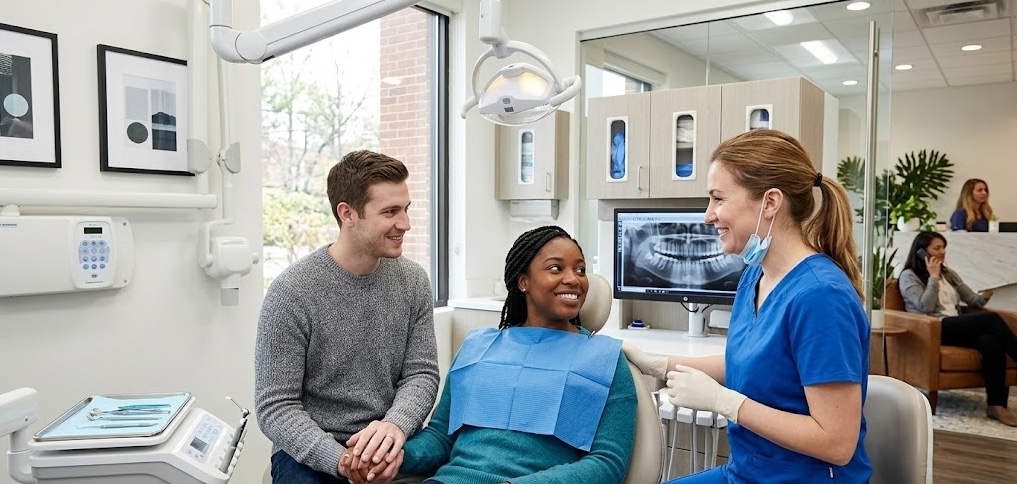
Yes—sedation can make oral surgery feel calmer, more controlled, and more comfortable for eligible patients in Durango, CO, especially if anxiety, a strong gag reflex, or a longer procedure is standing between you and the care you need.
At 2nd Ave Family Dental (2AVD) in Durango, CO, our goal is simple: make dentistry feel manageable, predictable, and respectful of your comfort. For many patients, that starts with clear communication and gentle technique. But when stress is the main barrier—especially for oral surgery steps like extractions or implant-related procedures—sedation can be a practical tool.
This guide explains (in plain English) what sedation does during oral surgery, how it differs from “numbing,” which comfort options may be available, and what to expect before/during/after your appointment. You’ll also find a Durango-focused FAQ based on real questions we hear from local families, retirees, outdoor enthusiasts, and working professionals who want to “get it handled” without white-knuckling the experience.
Explore related pages: Sedation Dentistry in Durango, CO, IV Sedation, Oral Sedation, Who Qualifies for Sedation Dentistry, Is Sedation Covered by Insurance?, What to Expect During a Sedation Appointment, General & Family Dentistry (Tooth Extraction Info), Restorative Dentistry (Implant-Related Care), Contact.
The Plain-English Answer: Sedation Helps Your Body Stay Calm While We Complete Oral Surgery
“Oral surgery” can sound intense, but in day-to-day dentistry it often means surgical steps like a tooth extraction, removing a problematic wisdom tooth, or completing implant-related procedures. What makes it feel stressful for many patients is not just the procedure itself—it’s the anticipation, the sounds, the sense of vulnerability, or the fear that you’ll panic in the chair.
Sedation is designed to lower that stress response. Depending on the type, sedation can help you feel lightly calm (taking the edge off), very relaxed and drowsy, or deeply relaxed with limited memory of the appointment. Importantly, sedation is typically used alongside local anesthetic (“numbing”) so the surgical area is comfortable. Think of it like a two-part comfort plan:
Local anesthetic: controls pain by numbing the surgical area.
Sedation: supports relaxation so your body isn’t in fight-or-flight while the work is being done.
If you’ve been searching for phrases like “sedation for oral surgery in Durango”, “tooth extraction with sedation in Durango, CO”, or “help for dental anxiety in Durango”, you’re not alone. Many patients from Durango and the surrounding Four Corners area move forward with care once they know there’s a comfort-first option.
Watch: YouTube Video Explaining Sedation in Oral Surgery (What It Is and Why It Helps)
If you feel calmer once you understand the “why,” this video gives a patient-friendly overview of how dental sedation works and why it’s commonly used for longer or more stressful procedures—especially when oral surgery steps are involved.
As you watch, keep one core idea in mind: sedation isn’t about “toughness.” It’s about access to care. When anxiety blocks treatment, sedation can be the bridge that lets you complete the procedure safely and confidently.
What Sedation Does (and What It Doesn’t) During Oral Surgery
When patients ask about sedation for oral surgery in Durango, they’re usually trying to answer one question: “Will I be okay during this?” The clearest way to think about sedation is that it supports your nervous system while we do the clinical work.
Sedation supports calm and reduces panic: It can lower the sense of overwhelm that makes oral surgery feel impossible, especially if you’ve had past negative dental experiences.
Sedation can make time feel faster: Many patients describe the visit as “it went by quickly,” or “I don’t remember much of it,” depending on the sedation type and depth.
Sedation does not replace numbing: Local anesthetic is still used for pain control. Sedation helps with anxiety and tension; numbing helps with surgical comfort.
Sedation is not always the right fit: The safest choice depends on your health history, medications, the procedure, and logistics (like having a driver).
Sedation requires a plan: Some options require fasting instructions, medication timing, monitoring, and a rest-day afterward. It’s a medical-style appointment, not a “pop in and go” visit.
If you want a clear view of eligibility and safety screening, start here: Who Qualifies for Sedation Dentistry. If you prefer a step-by-step picture of the appointment day, see What to Expect During a Sedation Appointment.
Which Oral Surgery Procedures Might Benefit From Sedation?
Not every oral surgery procedure requires sedation. Many extractions and minor surgical steps can be completed comfortably with local anesthetic alone. But when anxiety is high, the procedure is longer, or the surgical plan is more involved, sedation can make the experience dramatically easier.
Here are common situations where Durango patients ask about sedation support:
Tooth extraction (simple or surgical): If you’re worried about the sensation, sounds, or stress of an extraction, sedation can help you stay calm while the area is numb. Explore extraction basics here: General & Family Dentistry (Tooth Extraction).
Wisdom tooth extraction: Many people feel nervous about wisdom teeth because of swelling concerns, the idea of “surgery,” or past stories they’ve heard. Sedation can help the appointment feel more manageable. (Your exact plan depends on complexity and health history.) See Wisdom Tooth Extraction information.
Implant-related procedures: Some patients prefer sedation during implant placement or related surgical steps, especially if they want a calmer experience for longer appointments. Explore: Restorative Dentistry and What’s the Cost of Dental Implants in Durango.
Oral surgery when you have a strong gag reflex: Surgical steps can feel harder when gagging is part of your anxiety loop. Sedation may reduce sensitivity and help you tolerate care. Explore: Sedation Dentistry for Gag Reflex.
When urgent pain meets high anxiety: If you’re dealing with tooth pain, infection concerns, or a broken tooth and fear is preventing you from getting evaluated, a comfort-first plan can help you move forward. Helpful read: Tooth Pain: When to Wait and When to Call the Dentist.
In Durango, CO, there’s also a practical reality: people want fewer disruptions. Whether you’re balancing work, family schedules, or an active outdoor lifestyle, sedation may help complete needed steps more efficiently—when it’s safe and appropriate.
Who Sedation Tends to Help Most in Durango, CO
We don’t recommend sedation just because someone is nervous. We recommend it when it improves comfort, safety, or the likelihood of completing treatment successfully—especially during oral surgery. In real life, these are common reasons Durango patients ask about sedation:
Severe dental anxiety or dental phobia
If fear keeps you from scheduling (or finishing) treatment, sedation can help you move forward without the “panic spiral.”
A strong gag reflex
Some patients are emotionally okay—but gagging makes treatment hard. Sedation may reduce sensitivity and help the appointment feel steadier.
Longer or more complex procedures
Oral surgery steps can take time. Sedation can make longer visits feel shorter and easier to tolerate.
Past negative experiences
If you’ve had a traumatic or painful dental event, your body may react before your mind does. Sedation can help break that cycle.
Difficulty staying relaxed or still
Some people tense up, clench, or feel restless. Sedation can reduce tension so care can be completed safely.
Older adults who want a calmer experience
Sedation can be appropriate for some seniors, but screening matters. We review medications and health conditions carefully to plan safely.
You want comfort-first dentistry, not judgment
Many Durango residents juggle busy work schedules, family responsibilities, and the outdoor lifestyle. If you’ve been putting dentistry off, our job is to help you move forward with clarity and support.
If your first step needs to be simple and low-pressure, start here: Dental Cleanings & Exams in Durango, CO. That’s how we confirm what you need and what comfort option fits best.
Watch: What IV Sedation Is (And Why It Can Help During Oral Surgery)
This reel explains IV sedation in plain language and why some patients feel relieved knowing they can be deeply relaxed and closely monitored during oral surgery steps.
If your biggest barrier is anxiety, the next step is a conversation—not a commitment. We’ll listen first, review your health history, and explain which comfort options match your procedure and your goals.
Sedation Options for Oral Surgery: A Clear Comparison
When patients search “sedation for oral surgery in Durango,” they’re often trying to compare options like nitrous, oral sedation, and IV sedation. Here’s a simple comparison. (Your exact recommendation depends on your health history and the procedure.)
| Comfort option | What it’s like | Common reasons patients choose it | Typical logistics |
|---|---|---|---|
| Local anesthetic (“numbing”) | You’re fully awake; the area is numb | Many extractions and surgical steps; pain control | No driver needed in most cases |
| Nitrous oxide (“laughing gas”) | Light relaxation while awake; wears off quickly | Mild to moderate anxiety, sensitive gag reflex, shorter oral surgery steps | Often minimal downtime (varies by patient) |
| Oral sedation | Medication by mouth; deeper calm; you may feel drowsy | Moderate to higher anxiety, longer appointments, “I need help getting through it” | Usually requires a driver and a lighter day afterward |
| IV sedation | Deeper relaxation through an IV; many patients remember little | Severe anxiety, longer or more involved procedures, difficulty tolerating surgery | Driver required; plan to rest the remainder of the day |
| General anesthesia | Fully asleep (unconscious) | Complex cases requiring a surgical/anesthesia setting | Specialized setting; not the default for general dentistry |
Want to compare comfort options in more detail? Visit Sedation Dentistry in Durango, CO, plus our specific pages on Oral Sedation and IV Sedation.
Watch: What to Expect Before, During, and After Sedation for Oral Surgery
Many patients feel calmer once they understand the timeline. This video walks through common pre-visit instructions, what the appointment day may look like, and what recovery typically involves when sedation is part of the plan.
One of the biggest takeaways: most “surprises” aren’t about the procedure. They’re about logistics—having a driver, following instructions, and giving yourself a true recovery window afterward.
Safety First: What a Responsible Sedation Plan Includes
Sedation can be safe and effective when it’s recommended appropriately and delivered with proper training, screening, and monitoring. In our Durango, CO practice, we treat sedation as a structured clinical process—not a quick add-on.
Health history review (the part that matters most)
We review medical conditions, medications, allergies, prior anesthesia experiences, and the reason you want sedation. This is how we decide what’s appropriate and what isn’t.
Choosing the least-intensive option that still works
For some oral surgery appointments, numbing + calm pacing is enough. For others, oral or IV sedation is the difference between “I can’t do this” and “I finally did it.”
Clear instructions (before and after)
We provide written instructions for eating/drinking restrictions, medication timing, transportation, and what to expect afterward. Following these instructions is part of keeping sedation safe.
Monitoring and recovery planning
Sedation visits require careful monitoring and a structured recovery process. You’ll also need a responsible driver and a calm plan for the rest of the day.
If you’d like to see how we think about eligibility in detail, visit Who Qualifies for Sedation Dentistry. For a practical overview of the appointment itself, see What to Expect During a Sedation Appointment.
Watch: Which Type of Sedation Might Be Right for Your Oral Surgery?
This clinic post helps patients understand how dentists think about matching sedation type to the procedure, anxiety level, and safety needs—especially for oral surgery steps like extractions or implant-related procedures.
Think of this as a “starting map,” not a final prescription. The safest recommendation depends on your medical history, medications, and the specifics of your oral surgery plan.
What to Expect If You’re Considering Sedation for Oral Surgery at 2AVD in Durango
Most people don’t want a sales pitch. They want clarity: What happens next, and how do we keep it safe? Here’s the typical path—kept simple.
Step 1: A calm consultation and exam
We start with diagnosis. If you’re dealing with pain, swelling, or a broken tooth, we focus on identifying the cause and stabilizing the situation. If your case is not urgent, we evaluate the tooth, gums, and bite and talk through options in plain language.
Start here if you want a straightforward first visit: Dental Cleanings & Exams. If you’re dealing with tooth pain and trying to decide how urgent it is, this guide helps: Tooth Pain: When to Wait and When to Call the Dentist.
Step 2: Decide whether sedation is appropriate
Sedation is not automatic. We consider your health history, anxiety level, the procedure, and logistics. This is also when we discuss alternatives: some patients do well with nitrous oxide; others need oral or IV sedation to complete care comfortably.
Helpful reading: Sedation Dentistry, Oral Sedation, and IV Sedation.
Step 3: Pre-visit instructions (written, clear, and specific)
For safety, sedation visits may include food/drink restrictions for a set window before the appointment, plus medication guidance. Because instructions vary by patient and medical history, we provide your exact plan in writing. If anything is unclear, call us—no guessing.
If you want the big-picture timeline first, this resource helps: What to Expect During a Sedation Appointment.
Step 4: Treatment day + recovery plan
You’ll need a driver for oral and IV sedation, and you should plan to rest afterward. Many Durango patients schedule sedation visits on a day they can take off work, keep kids’ schedules light, and avoid driving to trailheads, ski days, or physically demanding activities after the appointment.
Watch: Patient Instructions for Sedation (Before, During, After)
If you want a practical view of the “rules” around sedation—like why you need a driver and why pre-visit instructions matter—this video focuses on preparation and recovery.
Takeaway: sedation works best when you treat it like a planned medical visit—arrive prepared, follow instructions, and give yourself time to recover.
Recovery After Oral Surgery With Sedation: What’s Normal (and What’s Not)
Recovery has two layers: (1) the sedation wearing off, and (2) the normal healing process from the oral surgery procedure itself. Knowing what’s typical helps you feel calmer and more prepared.
After sedation, expect “slower”: drowsiness, lower coordination, and foggier thinking are common. Plan for no driving, no major decisions, and a quieter day.
After surgery, expect localized tenderness: depending on the procedure, soreness, mild swelling, or bruising can happen. Your aftercare instructions will be specific to what was done.
Protect the site: follow instructions about eating, rinsing, activity limits, and avoiding habits that can disrupt healing (for example: using straws or smoking after extraction, if applicable to your procedure).
Call us if something feels off: worsening swelling, fever, uncontrolled bleeding, or symptoms that feel severe should be addressed promptly.
If you’re trying to decide whether your symptoms are urgent (before surgery or after), this guide can help you think clearly: Tooth Pain: When to Wait and When to Call the Dentist. When in doubt, the best move is to contact the office: Contact 2AVD in Durango.
Cost, Insurance, and Planning for Sedation During Oral Surgery in Durango, CO
Many patients searching “sedation for oral surgery in Durango” also want to know: “Will insurance cover it?” The honest answer is: it depends. Dental plans vary widely, and some plans treat sedation as an add-on that’s covered only in specific circumstances.
The most reliable path is to (1) confirm what treatment you need, then (2) build a written estimate so you can make a clear decision. If you want a straightforward explanation of coverage patterns, visit: Is Sedation Covered by Insurance?
If you’re planning more involved care (like implant-related procedures or bigger restorative steps), you may also find budgeting guidance helpful here: What’s the Cost of Dental Implants in Durango and How to Finance Restorative Dental Work.
Watch: Anesthesia vs. Sedation (Why Oral Surgery Can Feel More Comfortable)
This reel explains how anesthesia (numbing) and sedation work together to make oral surgery a more comfortable experience—especially for anxious patients.
The practical takeaway: a good comfort plan is layered. Numbing controls pain. Sedation helps your body stay calm enough to get through the procedure smoothly.
Durango, CO FAQ: Real Questions About Sedation for Oral Surgery
Is sedation available for oral surgery in Durango, CO?
Yes. At 2nd Ave Family Dental in Durango, CO, sedation options may be available for eligible patients and appropriate procedures. The right starting point is a consultation so we can confirm what you need and which comfort option fits best.
Will I be asleep with sedation?
Most dental sedation is not the same as general anesthesia. Nitrous oxide and oral sedation usually keep you “relaxed but responsive.” IV sedation can be deeper, and some patients remember very little, but it still differs from being fully unconscious under general anesthesia.
Will I feel pain during oral surgery?
Comfort is typically achieved through local anesthetic (numbing), and sedation may be added to reduce anxiety and stress. You may feel pressure or movement, but the goal is to avoid sharp pain.
Do I need someone to drive me home?
For oral and IV sedation, yes. Transportation planning is part of safety. You should also plan a calmer day afterward—no driving, no major decisions, and no physically demanding activities.
How should I plan my day after sedation if I live an active Durango lifestyle?
Plan it like a true recovery day. If you were hoping to hike, ski, ride, or head out to trailheads after your appointment, assume you’ll need to reschedule. Rest and recovery are part of a safe sedation plan.
Can sedation help if I have a strong gag reflex?
Often, yes. Many patients with a sensitive gag reflex find dentistry easier with sedation support. The best plan depends on what treatment is needed and what triggers your gag reflex most. See: Sedation Dentistry for Gag Reflex.
Is sedation safe if I’m older or take daily medications?
It can be, but screening matters. We review medications and health conditions carefully before recommending sedation. If you’re a retiree in Durango who wants a calmer appointment, bring a current medication list so we can plan safely.
Can I use sedation for dental implants in Durango?
Some patients explore sedation for longer procedures or anxiety around surgical steps. The right approach depends on your treatment plan, health history, and what is clinically appropriate. Start with planning and cost clarity: What’s the Cost of Dental Implants in Durango.
What if I’m anxious and I also need urgent care?
Start with diagnosis first. Many urgent problems can be stabilized quickly once we identify the cause. If you’re in pain, consider reading: Tooth Pain: When to Wait and When to Call the Dentist, then contact the office so we can guide your next step: Contact 2AVD.
How do I know if I qualify for sedation?
The best step is an exam and a conversation. We review your health history, your comfort goals, and the procedure you need, then recommend the safest option. Start here: Who Qualifies for Sedation Dentistry.
Key Takeaways (So You Can Make a Confident Plan)
Sedation can help during oral surgery by supporting calm, reducing anxiety, and making longer visits feel more manageable.
It’s usually layered with numbing: local anesthetic controls pain; sedation supports relaxation.
Not everyone needs the deepest option: the safest plan is the least-intensive option that still meets your comfort needs.
Planning matters: you may need a driver, written instructions, and a calm recovery day.
The right next step is a consultation: we confirm your surgery needs, then match you with the safest comfort option.
Want a Calmer Oral Surgery Experience in Durango, CO?
If anxiety has been holding you back—or you’ve been searching for “sedation for oral surgery in Durango”—we’re here to help. We’ll listen, answer questions in plain language, and recommend the safest comfort option based on your needs.
Whether you need an extraction, implant-related care, or a plan to catch up after years of avoidance, our priority is comfort, clarity, and a treatment plan you can actually complete.
Schedule a ConsultationMedically Reviewed by Dr. Taylor M. Clark, Durango Dentist
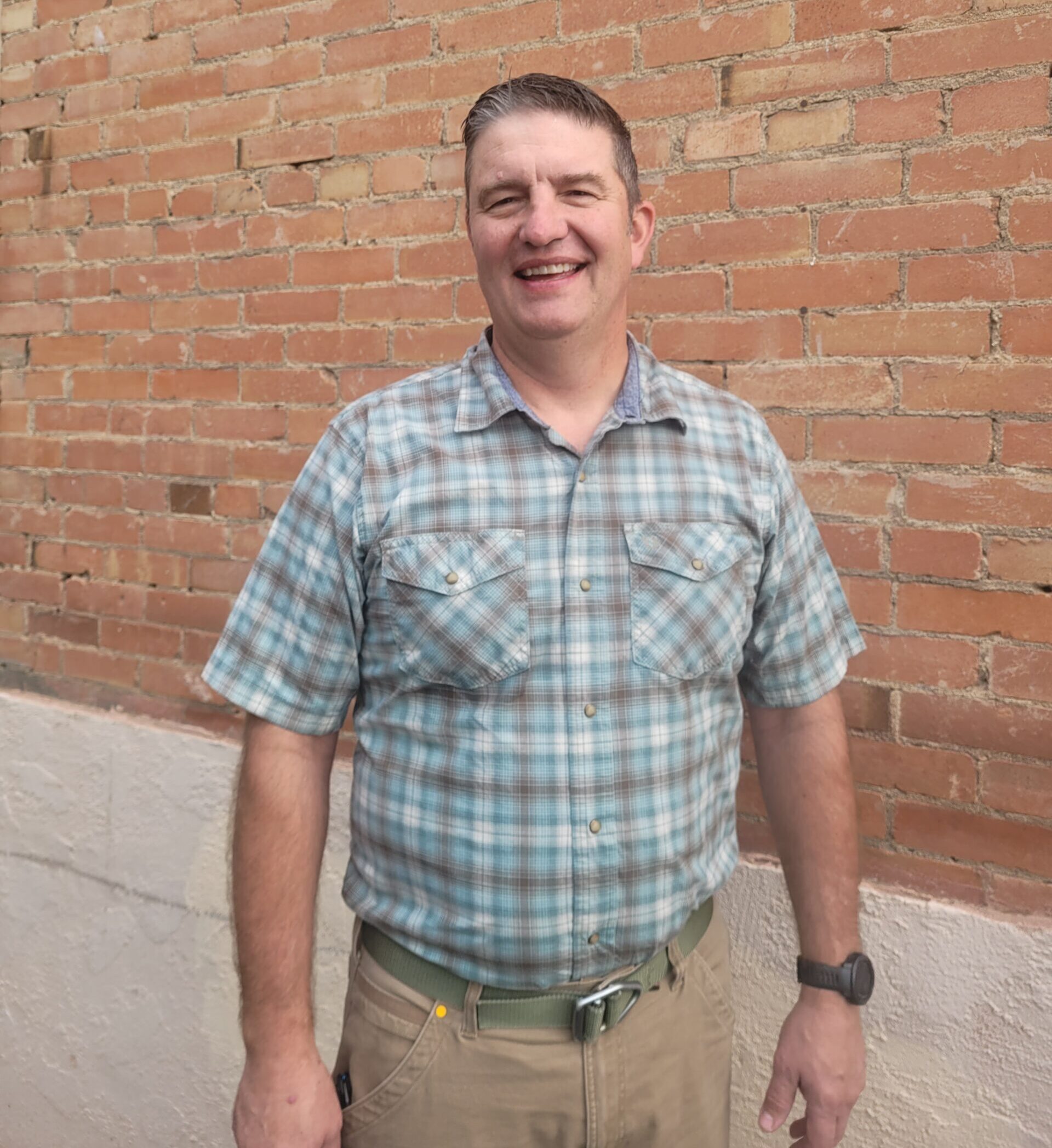
This article was medically reviewed by Dr. Taylor M. Clark, lead dentist at 2nd Avenue Dental in Durango, CO. Dr. Clark is known for patient-centered care, clear communication, and comfort-focused treatment planning, including sedation options when appropriate for oral surgery procedures. To learn more about Dr. Clark’s background and approach to care, visit Dr. Taylor M. Clark, Durango Dentist. If you would like personalized guidance on sedation and whether it fits your needs, contact our office to schedule a visit.