
What Are the Side Effects of Sedation Dentistry
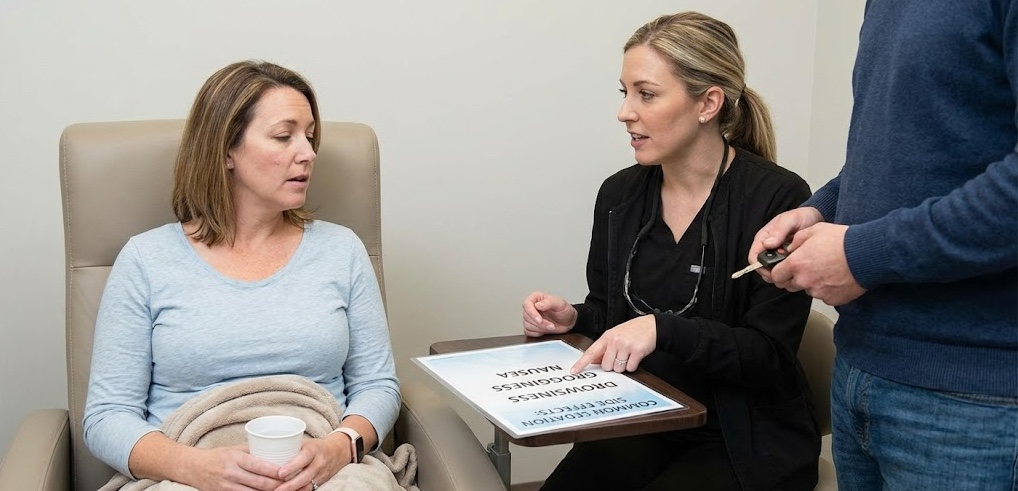
The most common side effects of sedation dentistry are drowsiness, dry mouth, mild nausea, headache and dizziness, plus a small bruise at the IV site after IV sedation. They are usually mild and fade within hours, though drowsiness after oral or IV sedation can last the rest of the day and the medication can stay in your system for about 24 hours. Call 911 for trouble breathing, someone who cannot be woken, chest pain, or swelling of the face, lips or throat.
Patients often ask, “Will I be nauseous?” “How sleepy will I be?” and “Is it safe with my medical conditions?” At 2nd Avenue Family Dental in Durango, we explain what is normal, what deserves a call, and what is an emergency before your appointment, so the recovery day holds no surprises.
What’s Normal, When to Call Us and When to Call 911
Normal: expect it
Sleepiness, slower reactions, a “foggy” feeling, dry mouth, mild nausea, a mild headache, hazy memory of the appointment, and a small bruise or tenderness at the IV site.
Call our office
Vomiting more than once or not keeping fluids down, a headache or dizziness that is getting worse, drowsiness that is not improving later in the day, or redness, warmth or swelling spreading from the IV site.
Call 911
Trouble breathing, slow or noisy breathing, someone you cannot wake or who is too drowsy to respond, chest pain, fainting, a seizure, or signs of a severe allergic reaction such as swelling of the face, lips or throat or widespread hives.
Most Common Side Effects After Sedation Dentistry
Drowsiness and “brain fog”
Feeling sleepy, slower or less coordinated is common, especially with oral or IV sedation. Many patients feel better within hours, but subtle effects can last the rest of the day.
Dry mouth
Some sedatives reduce saliva for a while. Sipping water helps until it returns.
Mild nausea
Medication sensitivity, an empty stomach or post-procedure medications can cause it. It usually settles with small sips and bland food.
Headache or dizziness
Fasting, dehydration, jaw tension and the medication itself can contribute. Fluids, rest and standing up slowly help.
IV site bruising (IV sedation only)
Mild bruising or tenderness where the IV was placed is common and can take up to about a week to fade. Call us if redness, warmth or swelling spreads, or pain gets worse.
How Long Do Sedation Side Effects Last?
| Sedation type | Typical side effects | How long they usually last | Driving |
|---|---|---|---|
| Nitrous oxide (laughing gas) | Mild nausea, lightheadedness, headache | Usually fades soon after the gas is turned off | Only if your dentist clears you and you feel fully steady |
| Oral sedation | Prolonged drowsiness, dry mouth, mild nausea, slower reactions | The rest of the day; some people feel “off” into the next morning | No driving for at least 24 hours |
| IV sedation | Grogginess, mild nausea, memory gaps, IV-site bruising | Drowsiness for several hours; the medication can remain in your system for about 24 hours | No driving for at least 24 hours |
After oral or IV sedation, avoid driving, alcohol, important decisions, strenuous activity and being solely responsible for young children for at least 24 hours. Some hospital guidance recommends waiting 48 hours.
A Durango tip: treat sedation day as a rest day. Save hiking, biking, skiing, climbing and mountain-road driving for another day, even if you feel fine.
How to Manage Common Side Effects at Home
| Side effect | What helps at home | Call our office if |
|---|---|---|
| Drowsiness / grogginess | Rest with an adult nearby, hydrate, light meals when allowed, no alcohol or driving | It is not improving later in the day or you seem unusually confused (call 911 if you cannot be woken) |
| Dry mouth | Sips of water, sugar-free lozenges once fully awake, a humidifier at night | It lasts beyond the next day |
| Mild nausea | Small sips of clear fluid, bland food, sit upright, avoid greasy meals | You vomit more than once or cannot keep fluids down |
| Headache | Fluids, rest, a cold compress, pain relief your dentist has approved | It is severe or worsening (call 911 with vision changes or fainting) |
| Dizziness | Stand up slowly, hydrate, sit or lie down if lightheaded | It is severe or lasts beyond the expected recovery |
| IV site soreness or bruise | Gentle care, avoid heavy lifting with that arm, a cool compress | Redness, warmth or swelling spreads, or pain worsens |
For what to eat and drink after your visit, see what to eat after sedation dentistry.
Why Sedation Causes Side Effects
Medication effect: Sedatives slow the nervous system to reduce anxiety, so you may feel tired or less coordinated afterward.
Fasting and dehydration: Limiting food or drink beforehand can contribute to headache, nausea or dizziness.
Stress “crash”: Dental anxiety raises adrenaline, and fatigue can follow when the appointment ends.
Other medications: Some prescriptions and supplements strengthen sedation effects, which is why we ask for a full medication list.
Less Common Side Effects to Know About
Paradoxical reactions: Rarely, a sedative makes someone agitated or restless instead of relaxed.
Allergic reactions: Uncommon, but possible with any medication. Swelling of the face or throat, widespread hives or trouble breathing needs 911.
Breathing effects: Sedation can slow breathing, especially with sleep apnea, lung disease or other medical conditions. That is why screening and monitoring matter.
Prolonged sedation: Some people process medications more slowly and feel “off” longer, particularly with certain medications or health conditions.
Falls: Unsteadiness after sedation raises the risk of falling, especially for older adults. Have someone help with walking and stairs for the rest of the day.
Tell us ahead of time if you have sleep apnea or use a CPAP, COPD or asthma, significant heart disease, a history of anesthesia complications, or take medications that cause drowsiness.
How We Reduce Side Effects and Keep Sedation Safe
Medical history and medication review
We screen for conditions and medications that affect how you respond to sedation, including sleep apnea, lung disease and other sedating medications.
Choosing the right level of sedation
Some patients do well with nitrous oxide; others benefit from oral or IV sedation based on anxiety and treatment needs.
Monitoring during treatment
We monitor you throughout sedation and do not send you home until you are ready to leave with your escort.
Clear written instructions
You and your escort leave with instructions covering rest, food and drink, what to avoid and who to call.
Video: Sedation Dentistry Safety and What to Expect
Sedation Side Effects FAQs
How long do side effects of sedation dentistry last?
Nitrous oxide wears off soon after the gas stops. After oral or IV sedation, drowsiness usually lasts several hours to the rest of the day, and the medication can remain in your system for about 24 hours.
When should I call 911 after dental sedation?
Call 911 for trouble breathing, someone you cannot wake, chest pain, fainting, a seizure, or swelling of the face, lips or throat.
Can I drive myself home after sedation dentistry?
Not after oral or IV sedation; you need an adult to drive you and should not drive for at least 24 hours. After nitrous oxide, some patients can drive if the dentist clears them and they feel fully steady.
How long will I feel sleepy after oral sedation?
Usually the rest of the day, and some people feel “off” into the next morning. Plan a recovery day with no work or childcare responsibilities.
What if I feel nauseous after sedation?
Mild nausea is common and usually improves with small sips of clear fluid, bland food and rest. Call us if you vomit more than once or cannot keep fluids down.
Is sedation dentistry safe for older adults?
It can be, with careful screening of health conditions and medications. Unsteadiness afterward raises fall risk, so older adults should have help walking and using stairs for the rest of the day.
I have sleep apnea. Does that change the risk?
Yes. Sleep apnea can increase breathing-related risk and may change which sedation is appropriate. Always tell us if you have sleep apnea or use a CPAP.
Will I remember my appointment?
Nitrous oxide usually does not cause memory gaps. Oral and IV sedation often leave hazy memories of the procedure, so we review instructions with both you and your escort.
Key Takeaways
Most side effects are mild: drowsiness, dry mouth, mild nausea, headache and dizziness.
Plan for 24 hours after oral or IV sedation: no driving, alcohol, important decisions or strenuous activity.
Know the 911 signs: trouble breathing, can’t be woken, chest pain, or face or throat swelling.
Call us if symptoms are worsening instead of improving.
Want a Calm Visit With a Clear Sedation Plan?
We will help you choose the right type of sedation, plan your recovery day, and explain exactly what to watch for afterward.
Schedule a Sedation ConsultationMedically Reviewed by Dr. Taylor M. Clark
This article was medically reviewed by Dr. Taylor M. Clark, lead dentist at 2nd Avenue Family Dental in Durango, CO. Dr. Clark earned his dental degree from UNC Chapel Hill, served with the Indian Health Service in Whiteriver, Arizona, and completed a two-year UCLA advanced anesthesiology residency.