
2nd Ave Family Dental

Cosmetic Dentistry

Dental Bonding in Durango

A Simple Solution for Chipped or Uneven Teeth

A chipped edge. A narrow gap. One tooth that looks a little shorter or shaped differently than the one beside it. Dental bonding can address certain localized cosmetic concerns without automatically becoming a much larger treatment plan.

The first step at 2nd Avenue Family Dental is figuring out whether bonding actually fits the tooth and your goal.

What Dental Bonding Actually Does

Dental bonding uses tooth-colored material applied directly to the tooth and shaped to change or restore part of its appearance. Unlike a veneer, which is fabricated separately to cover the front surface, bonding is typically shaped directly on the tooth during treatment. The ADA describes bonding as attaching material directly to natural enamel and dentin to restore or alter how the tooth looks. (Source: American Dental Association)

That makes bonding worth discussing when the concern is small and specific, though "small" alone doesn't automatically make bonding the right answer. The tooth's condition, the size of the change, your bite, and what you expect the finished result to look like all factor in.

Dental bonding for chips, gaps, and uneven edges at 2nd Ave Family Dental

When Bonding May Fit

A Chipped Edge

Bonding may rebuild a small chip with tooth-colored material. The tooth still needs examining first to see how deep the damage goes.

A Small Gap

Bonding can sometimes reduce the appearance of a small space by altering tooth width or shape. The reason for the gap and how the teeth meet should be considered first.

An Uneven or Shorter Tooth

If one tooth looks slightly shorter or shaped differently than its neighbors, bonding may allow the contour to be adjusted.

A Localized Concern

Bonding tends to make more sense for one or a few areas than a broader change across many visible teeth.

What Dental Bonding Looks Like at 2nd Avenue

1

Examine What You Want Changed

The appointment starts with the tooth itself: its condition, the surrounding teeth, your bite, and what you want different. If the problem is more than cosmetic, that becomes part of the decision.

2

Decide Whether Bonding Is the Right Tool

Bonding, veneers, crowns, orthodontics, or leaving the tooth alone can each solve different problems. The question isn't "can bonding go here," it's whether bonding makes sense here.

3

Shape, Set, and Check the Result

Tooth-colored resin is placed, shaped, and hardened with a curing light, then finished and polished. The final shape also has to work when you bite and move your teeth, not just look right from the front.

A conservative approach

A Smaller Fix Should Stay a Smaller Fix When It Can

Bonding often gets talked about as the cheaper version of something bigger. That's not a particularly useful way to think about it. For the right concern, bonding may simply be the more appropriate treatment, not a discount one.

If one small area can be addressed conservatively, that's where the conversation starts. And if bonding won't give you the result or durability you're expecting, that gets said before anything is placed.

A Smaller Fix Should Stay a Smaller Fix When It Can

Cosmetic Dentistry With a Strong Comfort Background

Dr. Taylor Clark's background is unusual for a community family dentist. After dental school at UNC Chapel Hill and service with the Indian Health Service, he completed two years of advanced anesthesiology training at UCLA.

That background shows up in ordinary appointments too: more patience, more explanation, less rushing a nervous patient through.
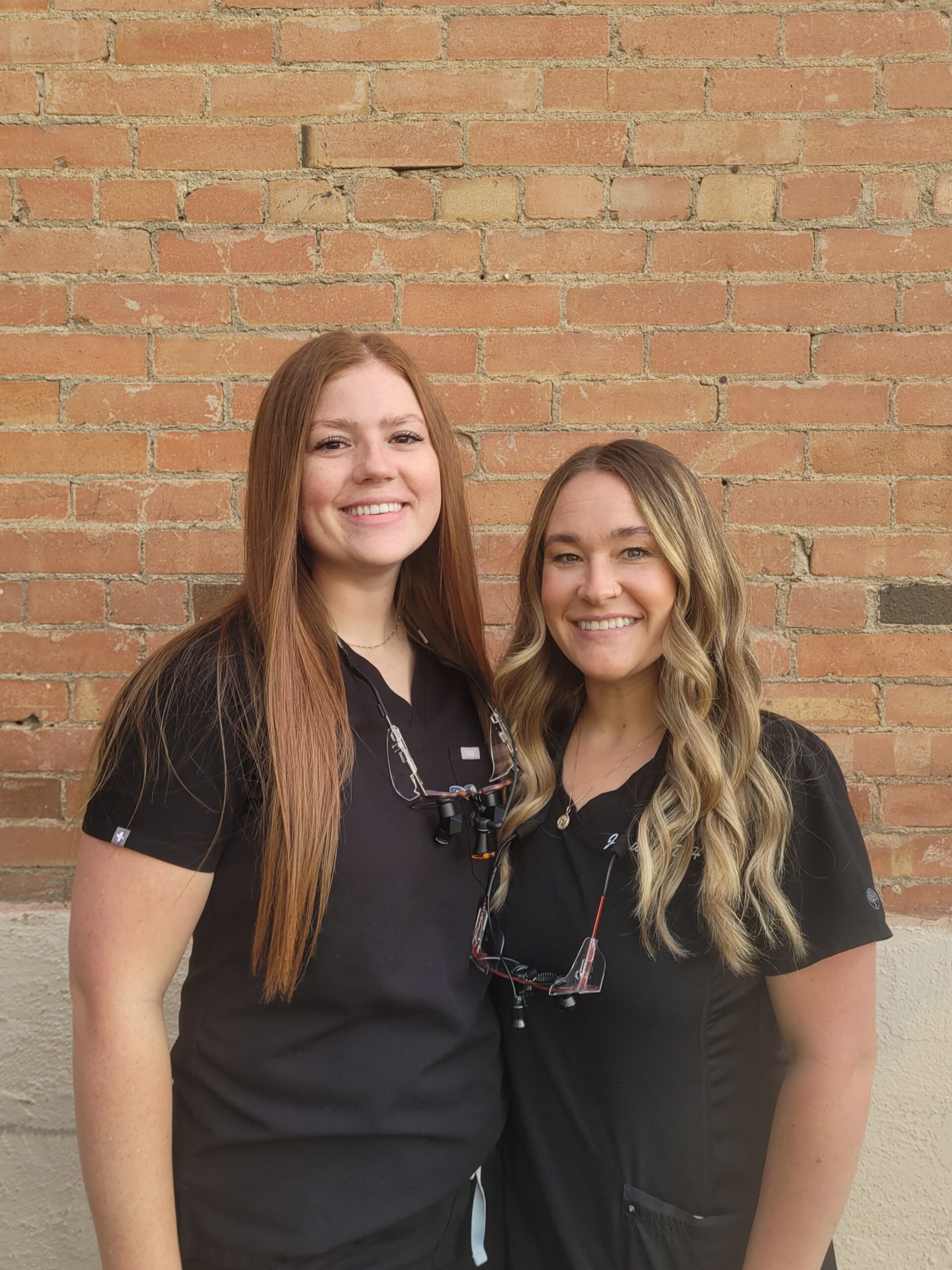
Dr. Taylor Clark and the 2nd Ave Family Dental team

Frequently Asked Questions

What can dental bonding fix?
Small chips, minor gaps, and modest shape changes are bonding's usual territory. Whether it fits your specific tooth depends on the result you're after.
Is bonding the same as a veneer?
No. Bonding is material shaped directly on the tooth; a veneer is a separate covering placed over the front surface. Porcelain veneer treatment generally requires removing some enamel and is considered irreversible. (Source: American Dental Association)
Does bonding last forever?
No. It can wear, stain, chip, or need repair over time, depending on where it's placed, your bite, and your habits, which is why those factors get checked before treatment, not after.
Can bonding fix a larger broken tooth?
Not usually on its own. If a tooth is painful, deeply fractured, or has lost significant structure, the priority shifts to understanding the tooth's underlying strength before deciding on a fix.

One Tooth Bothering You?

You don't need to turn one small concern into a full smile redesign. Let the team look at the tooth and explain whether bonding is a reasonable fit.

Your Dental Home in Durango

2nd Ave Family Dental

835 E 2nd Ave
Durango, CO 81301

We welcome patients from Durango, La Plata County, and the Four Corners looking for a long-term dental home close by. Whether you're fitting a visit around school, work, travel, or everything else that fills a week in Southwest Colorado, the goal is to make getting care feel straightforward.

2nd Ave Family Dental, Durango

Connect with us

For inquiries or to schedule a consultation

Fill out the following form, and we will get back to you promptly.

Preferred Contact Method
By submitting this form, you acknowledge that contacting 2nd Ave Family Dental through this form does not establish a doctor-patient relationship. Please avoid sharing sensitive or confidential information until such a relationship is established.
Scroll to Top