
Do Children Qualify for Sedation Dentistry
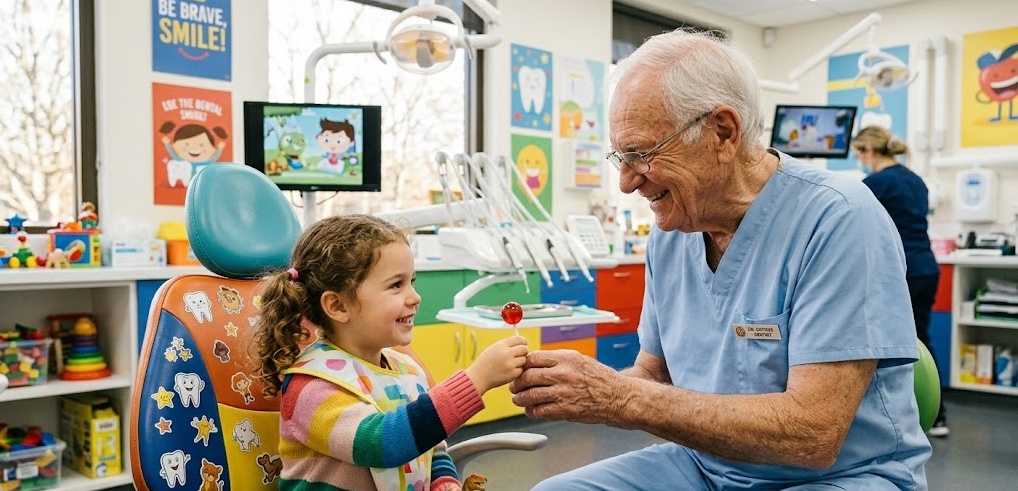
Some children do qualify for sedation dentistry—but the safest choice depends on your child’s needs, the procedure, and a careful health review. Parents in Durango, CO often ask: “Is sedation safe for kids?” “What if my child can’t sit still?” “Is laughing gas enough?” “Do we need a referral?”
At 2nd Ave Family Dental (2AVD) in Durango, CO, we keep the decision process clear and parent-friendly. We start with supportive, low-stress strategies and the least invasive comfort options. If your child’s anxiety, gag reflex, sensory sensitivity, special healthcare needs, or urgent dental problem makes treatment hard to complete safely, we talk through sedation pathways and what is clinically appropriate for your child.
This guide explains how dentists decide whether children qualify for sedation dentistry, what types of sedation may be used, what parents can expect on the day of treatment, and the safety steps that matter most. You will also find a Durango-focused FAQ built around the questions we hear from local families balancing school, sports, and the outdoor lifestyle.
Explore related pages: Sedation Dentistry, Different Types of Dental Sedation, Who Qualifies for Sedation Dentistry, Dental Cleanings & Exams, Emergency Dentist in Durango, Contact.
Image reference: View supporting image
The Plain-English Answer: Kids Qualify When Sedation Improves Safety, Comfort, or Treatment Success
Children may qualify for sedation dentistry when sedation helps them stay calm, still, and comfortable so care can be completed safely. This is not about labeling a child as “good” or “bad” at the dentist. It’s about choosing the right level of support for the child and the procedure.
In Durango, CO, parents most often explore sedation when a child has significant dental fear, a strong gag reflex, difficulty tolerating dental sensations, trouble staying still, or needs longer dental treatment. Sedation may also be considered for children with certain special healthcare needs—always with careful screening and the right clinical setting for the level of sedation being discussed.
To understand the full range of options, start with sedation dentistry and different types of dental sedation.
Watch: Sedation for Children’s Dental Care (Overview)
This video explains why sedation may be recommended for some children and what parents can generally expect when dentists discuss sedation as part of a treatment plan.
As you watch, keep this key idea in mind: the safest plan is the one that matches your child’s needs and the complexity of treatment—not the most intense option.
What Sedation Does for Kids (and What It Doesn’t)
Sedation is a comfort and cooperation tool. It can reduce anxiety, improve tolerance for dental sensations, and help a child stay still enough for safe dentistry. But it’s important for parents to understand the basics so expectations stay realistic.
Sedation supports relaxation: It can help children who are fearful, overstimulated, or unable to cooperate for the length of treatment.
Sedation is not the same as pain control: For procedures like fillings or extractions, dentists still use local anesthetic (“numbing”) to control pain.
Sedation isn’t always necessary: Many kids do well with a gentle approach, short visits, coaching, and a predictable routine.
Safety comes from screening + the right setting: A careful medical review, appropriate monitoring, and the correct clinical environment matter more than any single medication.
If you want to compare the general criteria used for sedation planning, see who qualifies for sedation dentistry.
Watch: Sedation Dentistry for Kids & Individuals with Special Needs
This reel highlights a common reason families explore sedation: some children (and some patients with special needs) benefit from extra support to reduce anxiety and help dental care go smoothly.
For Durango, CO families, this often comes up when a child has had one difficult dental experience and parents want the next visit to feel calmer and more successful.
Common Reasons a Child May Qualify for Sedation Dentistry
Dentists consider sedation when it helps meet one of three goals: improve safety, reduce distress, or complete needed care successfully. Here are the most common reasons children may qualify.
High dental anxiety or fear
If fear prevents an exam, cleaning, or treatment—even after supportive strategies—sedation may be considered to avoid repeated stressful attempts.
Difficulty staying still
Dental instruments require stillness for safety. If a child cannot stay still enough and treatment is necessary, sedation may improve safety.
Sensory sensitivity or strong gag reflex
Some children struggle with oral sensations, sound, vibration, or gagging. Sedation can reduce overstimulation and improve tolerance.
Multiple cavities or longer treatment needs
If a child needs several restorations, sedation may allow efficient treatment with fewer stressful appointments.
Special healthcare needs
Some children with developmental, behavioral, or medical complexity may benefit from sedation—based on careful screening and the safest appropriate setting.
Time-sensitive pain or infection risk
If there is tooth pain, swelling, or a broken tooth and anxiety is high, sedation planning may help complete urgent care safely.
Previous unsuccessful dental treatment attempts
If multiple visits have not worked despite preparation, sedation may reduce the chance of repeated traumatic experiences and help complete needed care.
If your child has dental pain, swelling, or a possible infection, start with our emergency dentist in Durango page and contact our team so we can guide you to the next step.
Watch: Inhalation Sedation for Kids (“Happy Air”)—What to Expect
This video explains inhalation sedation (commonly known as laughing gas or “happy air”) and how it can help children relax for dental treatment. It also reinforces what parents can expect during and right after the visit.
If your family has a busy schedule in Durango, CO, inhalation sedation is often discussed because it is typically short-acting and many children return to their usual routine quickly after the appointment, depending on how they feel and what treatment was completed.
Types of Dental Sedation (How They Differ for Children)
Not all sedation options are the same. The right approach depends on the child, the planned procedure, and the clinical setting. Many general dental offices primarily discuss nitrous oxide as a child-friendly comfort option. If deeper support is needed, dentists may discuss referral pathways to pediatric-focused settings.
Nitrous oxide (“laughing gas”)
Nitrous oxide is inhaled through a small mask. It can reduce anxiety and help kids feel calmer. In many cases, it wears off quickly once the gas stops and oxygen is given. For children who can tolerate the mask and respond well, nitrous oxide may be enough support for cleanings, exams, and some restorative procedures.
Oral sedation
Oral sedation uses medication taken by mouth to help a patient relax. Whether this is appropriate for a child depends on provider training, your child’s health history, the complexity of treatment, and safety protocols. For moderate-to-deeper needs, dentists often recommend pediatric-focused settings with specific monitoring systems.
IV sedation
IV sedation delivers medication through a vein and requires close monitoring. For children, IV sedation is typically provided by clinicians with pediatric sedation training in settings designed for that level of care. If deeper support than nitrous oxide is needed, we can discuss what is clinically appropriate and whether referral is the safest path.
General anesthesia
General anesthesia means a child is fully asleep, typically in a hospital or surgical center setting with an anesthesia team. It may be considered for extensive treatment needs or when other approaches are not appropriate. This is a specialized decision based on professional evaluation.
For broader education, visit different types of dental sedation.
Watch: No Fear, Only Smiles (Conscious Sedation Highlight)
This reel highlights the goal of conscious sedation: helping children stay relaxed and calm so treatment can be completed safely and efficiently.
For many Durango families, the biggest benefit is reducing the chance that dental care becomes a repeated source of fear—especially when treatment is needed soon.
How Dentists Decide: Qualification Factors Parents Should Know
This table shows the common factors dentists evaluate before recommending sedation for a child. The goal is safe, successful dentistry with the least intensive option that still works.
| What we evaluate | Why it matters | Examples | Next step |
|---|---|---|---|
| Anxiety level | Severe fear can prevent safe treatment and worsen long-term dental avoidance | Panic, inability to tolerate exam steps, refusal to open | Discuss comfort options and preparation strategies |
| Ability to stay still | Stillness is needed for safe use of dental instruments | Frequent head turning, impulsive movement, inability to remain seated | Compare shorter visits vs. added comfort support |
| Medical history | Health factors can affect sedation safety and selection of the right setting | Breathing issues, complex medical history, medication interactions | Bring a complete medical history and medication list |
| Urgency | Delaying care can increase pain, infection risk, or treatment complexity | Toothache, swelling, broken tooth | Use our emergency dentist in Durango resource and call |
| Treatment complexity | Longer procedures are harder for many children to tolerate without support | Multiple cavities, extractions, longer appointments | Ask if care can be staged or if sedation improves safety |
| Past dental experience | Repeated unsuccessful visits can create lasting dental fear | Multiple incomplete visits, escalating anxiety | Share what worked and what didn’t so we can plan better |
If you’re unsure whether sedation is appropriate, a consultation is the best starting point. Many Durango, CO parents feel relief just having a clear, step-by-step plan.
Watch: Is Sedation Safe for Children at the Dentist? (How Offices Reduce Risk)
This video focuses on safety and explains why proper screening, training, and protocols are essential when sedation is discussed for children.
In our Durango, CO practice, the safety conversation always includes your child’s health history, medication list, prior reactions, and what level of support is appropriate for the type of dental treatment needed.
Safety First: What a Responsible Sedation Plan Includes
Parents deserve clarity and confidence. A responsible sedation plan is not “just medication.” It is a process that includes screening, choosing the appropriate setting, and making the visit predictable for children and caregivers.
Medical history and medication review
We review medical history, current medications, allergies, and any prior sedation/anesthesia experiences so we can identify risk factors and plan appropriately.
Choosing the least intensive effective option
When comfort support is needed, the goal is to choose the least intensive approach that still allows safe, successful treatment (often starting with nitrous oxide when appropriate).
Clear parent instructions (before and after)
We explain what to expect, how to prepare, and what normal recovery looks like for the chosen approach and procedure.
Comfort-focused dentistry
Gentle technique, calm communication, and a supportive environment can reduce stress—even before sedation is considered.
If your child is due for preventive care, start with dental cleanings & exams. If you’re dealing with urgent symptoms, visit emergency dentist in Durango and contact the office.
Watch: Is Sedation Safe for Kids? (Proper Protocols Matter)
This reel reinforces an important point for parents: sedation can be safe for children when it is appropriately recommended and proper protocols are followed.
If your child has an appointment before school, sports, or outdoor plans in Durango, ask about timing, expected fatigue, and what activities should be avoided afterward based on the visit.
Durango, CO FAQ: Real Parent Questions About Sedation Dentistry for Kids
What age can a child qualify for sedation dentistry?
Age is one factor, but it is not the only factor. Dentists consider health history, the child’s ability to cooperate, and the procedure’s complexity. The safest option is individualized based on professional evaluation.
Is laughing gas safe for kids?
Nitrous oxide (“laughing gas”) is commonly used in dentistry as a short-acting anxiety reducer. Whether it is appropriate depends on your child’s comfort, ability to tolerate the mask, and the procedure being done. Your dentist will guide you based on your child’s needs.
My child is terrified of the dentist. Do we have to use sedation?
Not always. Many children improve with a supportive approach, predictable visits, and gradual comfort-building. If anxiety prevents needed care—especially when there is pain or multiple cavities—sedation may be discussed as one option to help treatment succeed.
Can sedation help if my child needs urgent care and can’t sit still?
In some cases, yes. If a child has tooth pain, swelling, or a broken tooth and anxiety is high, sedation planning may help complete urgent care safely. Start with emergency dentist in Durango and contact our team.
Will my child remember the appointment?
That depends on the comfort option and your child’s response. Some approaches are mainly for relaxation and do not typically cause major memory gaps. If deeper support is discussed, your dentist will explain what is typical for that plan.
What should we do after a sedation-support visit?
Plan for a calm day. Even if your child seems fine, it is smart to keep the schedule flexible. Follow your dentist’s post-visit instructions closely, and call if anything feels unusual.
Key Takeaways (So Parents Can Plan With Confidence)
Some children qualify for sedation dentistry when it improves safety, comfort, or the ability to complete needed care.
Qualification is individualized: dentists consider anxiety, stillness/cooperation, medical history, urgency, and treatment complexity.
Nitrous oxide is a common first-step option for many children with mild to moderate anxiety when appropriate.
Safety is a process: screening, training, the right setting, and clear parent instructions are essential.
Want a Calmer Visit for Your Child in Durango, CO?
If your child feels anxious about dental care—or if treatment is needed and you’re worried your child won’t tolerate it—we’re here to help. We’ll explain options in plain language and recommend a safe, appropriate comfort plan based on your child’s needs.
Whether your child needs preventive care or help with a time-sensitive dental concern, our team focuses on clear communication, gentle treatment, and a supportive experience for kids and parents alike.
Schedule a ConsultationMedically Reviewed by Dr. Taylor M. Clark, Durango Dentist
This article was medically reviewed by Dr. Taylor M. Clark, lead dentist at 2nd Avenue Dental in Durango, CO. Dr. Clark is known for patient-centered care, clear communication, and comfort-focused treatment planning, including sedation options when appropriate. To learn more about Dr. Clark’s background and approach to care, visit Dr. Taylor M. Clark, Durango Dentist. If you would like personalized guidance for your child’s dental needs, contact our office to schedule a visit.