
What Should I Expect During a Sedation Appointment
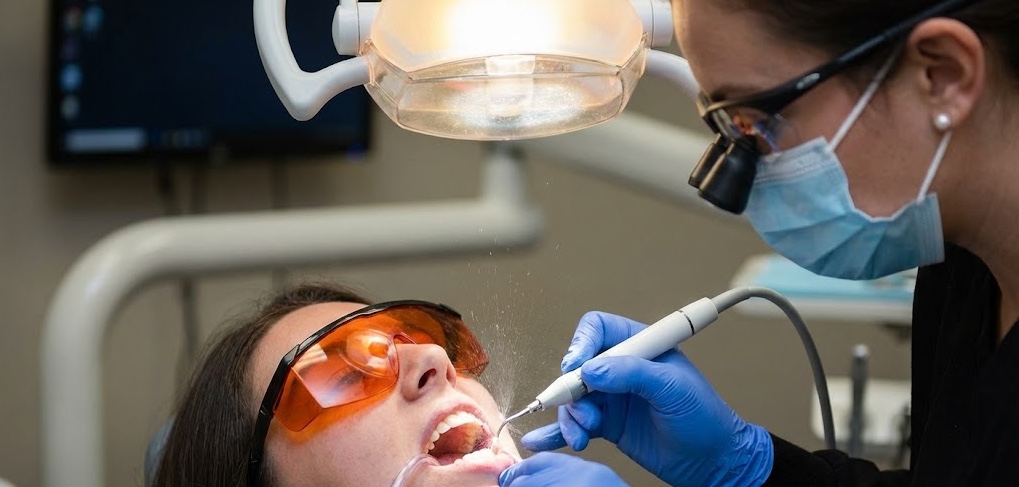
If you are considering dental sedation, the most common (and most practical) question is simple: “What will actually happen during my appointment?”
At 2nd Avenue Dental (2AVD) in Durango, CO, we believe anxiety decreases when expectations are clear. Sedation is not “mystery medicine” or a one-size-fits-all experience. It is a carefully planned comfort tool that helps the right patients feel calm, steady, and supported during treatment.
This guide walks you through a typical sedation visit step-by-step—from pre-appointment instructions to check-in, monitoring, how sedation is given, what you may feel, and what recovery usually looks like. You will also find three short videos (including a YouTube video walking patients through a sedation appointment) and a Durango-focused FAQ based on real questions we hear from families, working professionals, and retirees in our community.
Explore related pages: Oral Sedation in Durango, CO, IV Sedation in Durango, CO, Dental Cleanings and Exams, Restorative Dentistry, Emergency Dentist in Durango, Contact.
What a Sedation Appointment Is (and What It Is Not)
Dental sedation is a set of techniques and medications that help you relax during treatment. Depending on the type used, you may feel lightly calm (like “taking the edge off”) or very relaxed and drowsy. Most dental sedation is conscious sedation, meaning you can still breathe on your own and respond to simple instructions, even if you feel sleepy or remember very little afterward.
Sedation is different from local anesthesia (“numbing”) and it is also different from general anesthesia. In dentistry, sedation is usually used alongside local anesthetic so you stay comfortable and do not feel pain during the procedure.
Sedation helps with comfort and anxiety. It does not replace numbing.
Safety comes first. Your health history and medications matter for planning.
Expect monitoring. A sedation visit includes real-time tracking of your vital signs.
Who Typically Benefits From Sedation Dentistry in Durango
We may recommend sedation when it improves your comfort, helps you complete necessary care, or makes longer procedures more manageable. In Durango, CO, we often see sedation requested by outdoor-focused patients who want efficient treatment and predictable appointments, busy professionals with tight schedules, and patients who have delayed care due to fear.
Dental anxiety or past negative experiences
If anxiety prevents you from scheduling care, sedation can make treatment feel calm and doable.
Strong gag reflex or difficulty staying still
Sedation can reduce sensitivity and help you stay comfortable during treatment.
Long or complex appointments
Some restorative procedures can be more comfortable when you are deeply relaxed.
Urgent needs with high stress
For patients in pain, sedation may help you get through care without added distress. If you are in pain now, visit our emergency dentist in Durango page.
If your needs are simpler (like routine prevention), you may not need sedation at all. Many patients do great with a calm environment, clear communication, and standard care through dental cleanings and exams.
Watch: What Happens Before, During, and After IV Sedation
If you want the big picture first, this YouTube video walks patients through a sedation appointment timeline—from preparation to recovery—so the process feels familiar before you arrive.
As you watch, notice how much of sedation is really about planning: medical review, safe transportation, monitoring, and clear discharge instructions—not just the medication itself.
Step 1: Your Sedation Consultation and Safety Screening
A safe, predictable sedation appointment starts before the day of treatment. During your consultation (or pre-visit planning), we focus on:
Your health history: heart/lung conditions, sleep apnea, prior anesthesia experiences, allergies, and current concerns.
Medications and supplements: some can increase drowsiness or affect bleeding risk. Always bring a current list.
Your dental goals: what you want to accomplish and what treatment is recommended (for example, restorative work through restorative dentistry).
Which sedation level fits: nitrous oxide, oral sedation, or IV sedation, based on your needs and the procedure.
If you already know you want sedation, you can start with our comfort pages: Oral Sedation in Durango, CO or IV Sedation in Durango, CO.
Watch: What Happens at an IV Sedation Consultation
Many patients feel calmer once they see that a sedation plan is built around screening and step-by-step safety. This video focuses on what a consultation may include.
If you have questions about your medical conditions, medications, or what you should do the night before, that is exactly what a consultation is for.
Step 2: How to Prepare Before Your Sedation Appointment
Preparation instructions vary depending on sedation type and your medical history. Your specific instructions will always come from our team. In general, here is what most patients should expect:
Arrange a responsible driver (for oral or IV sedation)
If you are taking an oral sedative or receiving IV sedation, you will need a driver. Plan for someone to stay with you afterward as instructed.
Follow eating and drinking instructions
Some sedation types require fasting (no food or drink) for a period of time. Follow our instructions exactly to keep sedation safe.
Wear comfortable clothing
Choose short sleeves if possible and avoid restrictive layers. Comfort matters for blood pressure cuffs and monitoring leads.
Bring your medication list and follow guidance
Do not stop a prescription without medical guidance. If we ask you to adjust anything before treatment, we will explain why.
Plan a “quiet day” afterward
Even if you feel good, your coordination and reaction time can be slower after sedation. Take work and high-risk activities off your schedule.
For many Durango patients, the biggest planning challenge is logistics—work, school pickup, and getting back to an outdoor routine. If you tell us what your day looks like, we can help you choose a sedation option that fits your life.
Watch: What Sedation Feels Like (Anxiety and Comfort)
This quick reel describes what many patients feel: less tension, less worry, and a more “floaty” calm during treatment.
One helpful mindset shift: sedation does not need to make you “knocked out” to be effective. For many people, being calm and comfortable is the goal.
Step 3: What Happens on the Day of Your Sedation Visit
While every appointment is personalized, most sedation visits at 2AVD in Durango follow a familiar flow. Here is what the day usually looks like, in plain English.
Check-in and final questions
When you arrive, our team will confirm your health information, review your instructions, and answer last-minute questions. If you are anxious, tell us. We can slow down, explain each step, and help you feel steady before we begin.
Baseline vitals and monitoring setup
Before sedation starts, we typically record your baseline vital signs (like blood pressure, pulse, and oxygen levels). During sedation, you will be monitored continuously so we can keep the experience safe and predictable.
Comfort setup (blankets, positioning, and a calm environment)
Small things matter: positioning, neck support, a warm blanket, and a calm pace. Many patients tell us that simply knowing what will happen next is the biggest anxiety reducer.
Local anesthetic (“numbing”) is still part of comfort
Even with sedation, we use local anesthetic so the treatment area is numb. Sedation helps you feel relaxed; numbing helps prevent pain. Together, they support a smoother experience—especially for restorative care through restorative dentistry.
How Sedation Is Given: Nitrous, Oral, and IV (What You’ll Notice)
Nitrous oxide (“laughing gas”)
Nitrous oxide is inhaled through a small mask over your nose. Many patients feel calmer within minutes. You remain awake, and the effects typically fade quickly once nitrous is stopped and oxygen is given.
Oral sedation
Oral sedation is a prescribed medication taken by mouth (often before treatment). Most patients feel sleepy, very relaxed, and less aware of time. You may remember little of the appointment. Because effects can last longer, you will need a driver.
IV sedation
IV sedation is delivered through a small IV line and can provide deeper relaxation. Many patients feel like the appointment passes quickly. You will still be monitored closely, and you will need a driver and recovery time afterward.
If you are comparing options, start here: Oral Sedation in Durango and IV Sedation in Durango.
Watch: Nitrous Oxide (“Laughing Gas”)—What to Expect
For patients who want light relaxation without a long recovery, nitrous may be a great fit. This video explains what it feels like and how it works.
If you want comfort but also want to return to your day in Durango with minimal downtime, ask us whether nitrous oxide is appropriate for your procedure.
Watch: Why Sedation Can Make Treatment Feel Faster and Easier
This reel highlights a common patient report: treatment feels more relaxed and time passes more quickly when anxiety is lower.
For many busy Durango working professionals, this is the biggest benefit: getting important dentistry done without feeling mentally drained by stress.
“What Will You Do First?” A Plain-English Walkthrough
This table summarizes what many patients want most: a predictable sequence. Your exact steps may vary based on sedation type and procedure, but the overall structure is similar.
| Stage of visit | What happens | What you may feel | Why it matters |
|---|---|---|---|
| Before you start | Review health history, confirm instructions, answer questions | Nervous is normal; reassurance helps | Safety and clarity reduce stress |
| Monitoring setup | Vitals recorded; monitoring applied as appropriate | Pressure cuff, small sensors, calm pacing | Helps us keep sedation safe |
| Sedation begins | Nitrous mask, oral medication already taken, or IV sedation started | Relaxation, drowsiness, time distortion | Comfort and anxiety control |
| Numbing (local anesthetic) | Treatment area is numbed | Brief pinch/pressure; then numbness | Prevents pain during dentistry |
| Dental treatment | Cleaning, fillings, crowns, or other procedures | Many patients remember little | Gets needed care completed |
| Recovery + discharge | We monitor you until you meet safe discharge criteria; review instructions | Sleepy, foggy, then gradually clearer | Reduces risk and supports smooth recovery |
If you are coming in for preventive care only, your visit may be much simpler. Learn more at Dental Cleanings and Exams.
What You Might Feel During Sedation (Common Experiences)
Patients often worry that sedation will feel “out of control.” In reality, most experiences fall into a few predictable patterns:
Less mental noise: fewer spiraling thoughts, less anticipation, less “counting minutes.”
Time feels shorter: many patients are surprised how quickly the appointment seems to pass.
More tolerance for sensations: even if you notice pressure or movement, it feels less “urgent.”
Drowsiness afterward: this is normal with oral sedation and IV sedation, and we plan for it.
Important note: sedation is about comfort and cooperation. You should still be able to breathe comfortably and respond to simple requests (like opening a bit wider).
Watch: Oral Sedation Basics (Awake but Very Relaxed)
This reel explains oral sedation in a way many patients find reassuring: you typically stay awake, but you feel deeply relaxed and less bothered by the experience.
If you have a history of dental anxiety, oral sedation can be a practical first step. Learn more at Oral Sedation in Durango, CO.
What Happens After Your Sedation Appointment (Recovery Expectations)
Recovery depends on the sedation type, your procedure length, and how your body processes medication. Here are safe, general expectations:
Nitrous oxide recovery
Many patients feel normal within minutes after nitrous is stopped and oxygen is given. If you still feel lightheaded, you should wait until you feel steady before driving.
Oral sedation recovery
It is common to feel drowsy for hours and sometimes for the rest of the day. Plan to rest, avoid alcohol, and avoid driving or high-focus tasks until you are fully alert.
IV sedation recovery
Many patients feel better within a few hours, but subtle effects on coordination and reaction time can linger. That is why a driver and a calm schedule are required.
If you are preparing for urgent or complex treatment, we will tailor your recovery plan to your situation. If you are in pain or dealing with swelling, start with Emergency Dentist in Durango.
When to Call the Office After Sedation
Most sedation recoveries are straightforward. Contact our office if you have concerns, especially if something feels outside what we discussed. Common reasons to call include:
Unusual or worsening symptoms: severe nausea/vomiting, shortness of breath, chest discomfort, or fainting.
Unexpected bleeding or swelling related to dental treatment.
Persistent confusion or inability to stay awake beyond what you were instructed to expect.
If you believe you are experiencing a medical emergency, seek urgent medical care immediately.
Durango, CO Sedation Dentistry FAQ
Do I need sedation for a cleaning or exam?
Many patients do not. If anxiety is the main barrier, we can discuss comfort strategies during cleanings and exams and consider sedation only if it truly helps you get consistent preventive care.
Can I drive myself home after oral sedation or IV sedation?
No. If you take an oral sedative or receive IV sedation, you need a driver. Even if you feel “awake,” reaction time and judgment may be affected.
Is sedation available if I have medical conditions?
Often, yes—but planning matters. We will review your medical history and medications and recommend the safest path based on your situation.
Will I be asleep?
Most dental sedation is conscious sedation: you are very relaxed and may doze, but you can still respond to simple instructions. Many patients remember little afterward, especially with deeper levels of sedation.
Can sedation help if I need a lot of work done?
For some patients, yes. Sedation can make longer restorative visits feel more manageable. Learn more about treatment pathways on our restorative dentistry page.
What if I’m in pain and can’t wait?
If you suspect an infection, a broken tooth, or severe pain, start with our emergency dentist in Durango page and contact our office as soon as possible.
Want a Calm Visit With Clear Expectations?
If you are considering sedation dentistry in Durango, CO, we can help you choose the right option and plan your appointment so the process feels predictable and supportive.
Whether you need preventive care, restorative treatment, or help with tooth pain, our team will keep things clear, patient-first, and comfort-focused.
Schedule a Sedation ConsultationMedically Reviewed by Dr. Taylor M. Clark, Durango Dentist
This article was medically reviewed by Dr. Taylor M. Clark, lead dentist at 2nd Avenue Dental in Durango, CO. Dr. Clark is known for patient-centered care, clear communication, and comfort-focused treatment planning, including sedation options when appropriate. To learn more about Dr. Clark’s background and approach to care, visit Dr. Taylor M. Clark, Durango Dentist. If you would like personalized guidance on what to expect during a sedation appointment, contact our office to schedule a visit.