
Can You Eat Normally After a Dental Implant
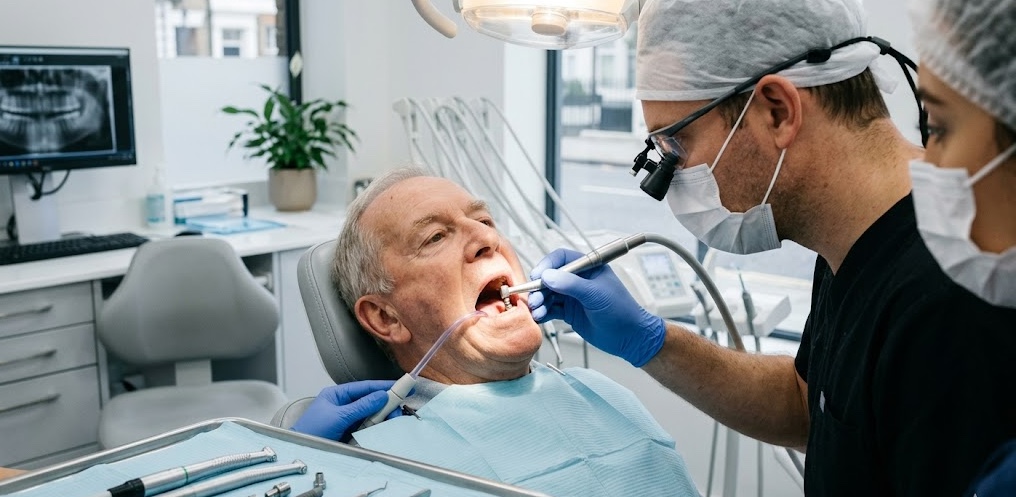
Yes, most patients can eat normally again after a dental implant, but not right away. The first stage of recovery usually calls for softer foods, careful chewing, and a gradual return to firmer textures as the surgical area heals. The timeline depends on the type of implant procedure, the location of the implant, how stable the implant is at placement, and whether bone grafting or other procedures were done at the same time.
At 2nd Ave Family Dental, we help patients in Durango, CO understand what is safe to eat after implant surgery, when solid foods can return, and what warning signs mean you should slow down and protect the healing area. The goal is not just comfort for a few days. It is giving the implant the best chance to heal well and support a strong long-term result.
This guide explains what eating is like after a dental implant, what foods are usually easiest early on, when chewing starts to feel more normal, and how patients in Durango can protect their investment while healing. It is written in plain English for local families, retirees, outdoor enthusiasts, and working professionals who want practical answers before or after treatment.
Explore related resources: Dental Services, Contact 2nd Ave Family Dental, About 2nd Ave Family Dental, Meet the Team, General & Family Dentistry, Emergency Dentist in Durango.
Can You Eat Normally Right After a Dental Implant?
Not usually. Immediately after dental implant surgery, the area needs time to clot, settle, and begin healing. Even when patients feel hungry fairly quickly, it is usually best to start with cool or lukewarm soft foods and avoid chewing directly on the implant site.
Most people are not on a “normal diet” the same day as surgery. Instead, they ease back into eating over time. That does not necessarily mean weeks of liquid-only meals. It usually means starting with foods that are easy to manage and then advancing as tenderness, swelling, and your dentist’s instructions allow.
For patients searching how soon they can eat after dental implant surgery in Durango, the practical answer is that you can often eat the same day, but the texture and chewing pattern matter a great deal during early recovery.
Video: Best Soft Foods to Eat After Dental Implant Surgery
This video works well near the start because it focuses on one of the most common patient questions: what foods feel safest and easiest after implant placement.
It reinforces the idea that soft, simple meals can make the first stage of implant recovery much more manageable while protecting the healing area.
Why Food Restrictions Matter After Implant Surgery
A dental implant needs a stable healing environment. In the early stage, chewing hard, crunchy, sticky, or sharp foods too soon can irritate the tissue, increase soreness, or place unnecessary stress on the area. That does not mean the implant is fragile in a dramatic way. It means healing tends to go better when the site is not repeatedly challenged before it is ready.
Patients sometimes focus only on whether they “can” chew, but the more important question is whether the site should be asked to handle that kind of force yet. Even if discomfort is mild, overdoing it too early can make recovery less comfortable.
That is why aftercare instructions for dental implants in Durango usually include diet guidance alongside cleaning, medication, and activity recommendations.
What Can You Usually Eat the First 24 Hours?
The first day is usually the easiest time to keep things simple. Many patients do best with foods that are soft, non-spicy, easy to swallow, and not very hot in temperature.
Yogurt
Cool, smooth, and easy to eat without much chewing.
Applesauce
A gentle option for patients who want something soft and mild.
Mashed potatoes
Comforting and filling, as long as they are not too hot.
Smooth soups
Lukewarm blended soups can be easier than chunky or heavily seasoned foods.
Scrambled eggs
Soft protein can be helpful once you are ready for a little more substance.
Smoothies eaten carefully
These can work well, but avoid straws if your dentist advises against them after surgery.
The best post-implant foods are usually soft enough that they do not require strong biting or grinding. If a food seems like it could poke, pull, crunch, or stick, it is usually better to wait.
Instagram Reel: What to Eat After Dental Implant Surgery
This reel fits naturally here because it visually reinforces the early soft-food stage and gives patients simple examples of meals that tend to feel easier on healing gums.
It is a helpful reminder that the early implant diet is usually more about protecting healing than about dramatic restriction.
When Can You Eat Solid Food Again After a Dental Implant?
This depends on the case. Some patients begin adding softer solid foods fairly soon, while tougher foods may need to wait longer. The timeline is influenced by the number of implants placed, the location in the mouth, whether an extraction or grafting was done at the same visit, and how comfortable the area feels during recovery.
“Solid food” also means different things to different people. Soft pasta, tender fish, and soft-cooked vegetables are very different from crusty bread, nuts, chips, steak, popcorn, or chewing ice. Most patients return to more normal eating in stages rather than all at once.
If you are searching when you can eat normally after dental implants in Durango, it is usually more accurate to think in terms of gradual progression instead of one magic day when all restrictions disappear.
Signs You May Be Ready to Advance Your Diet
Many patients can tell the mouth is becoming more ready for regular foods when day-to-day function feels easier. That said, comfort should never replace the instructions given for your specific procedure.
Less tenderness: The area feels calmer and less sensitive when eating.
Reduced swelling: The tissues feel less puffy and more settled.
Chewing feels easier on the opposite side: You can eat more normally without accidentally irritating the surgical site.
No sharp pain with softer foods: Meals are becoming more comfortable and predictable.
Your dentist has cleared progression: Personalized instructions always matter more than a generic online timeline.
When in doubt, move forward slowly. It is usually better to advance one texture at a time than to test the area with a hard or chewy meal too early.
Video: Diet Recommendations Following Dental Implant Surgery
This video fits well here because readers are usually ready for more structured advice about how the diet progresses after the first day or two.
It helps connect the early soft-food stage with the bigger goal of supporting healing and nutrition during implant recovery.
Foods Most Patients Should Avoid Early On
Even when you are feeling fairly good, there are certain foods that are usually smarter to avoid during the early healing stage.
Crunchy foods
Chips, crackers, crusty bread, and popcorn can irritate the site or leave particles behind.
Very chewy foods
Steak, jerky, chewy bagels, and gummy foods can put more force on the healing area.
Sticky foods
Caramel and similar foods can tug at the surgical area and make cleaning harder.
Spicy or acidic foods
These can sting irritated tissue in some patients during the early days.
Extremely hot foods or drinks
Very high temperatures may feel uncomfortable when the tissue is freshly healing.
Hard biting on the implant side
Even a food that seems harmless can be a problem if it is chewed directly on the surgical site too soon.
For many patients, the safest mindset is this: if it sounds crunchy, sticky, tough, or aggressive, it probably belongs later in recovery rather than sooner.
Instagram Reel: How Soon Can You Start Eating After Implants?
This reel supports an important part of patient education: many people can eat fairly soon after surgery, but they need to choose the right foods and return to normal chewing gradually.
It reinforces the point that “eating after implants” is usually possible early, but “eating normally” is a slower progression.
How Dentists Usually Guide the Return to Normal Eating
Your dentist will usually look at several factors before advising you to resume tougher foods. The decision is not based on appetite alone.
Review the type of procedure performed
A single straightforward implant may recover differently than an implant placed with extraction, grafting, or multiple surgical sites.
Assess early healing
The dentist checks how the tissue looks and whether the area is settling as expected.
Consider implant location
Back teeth often handle different chewing forces than front teeth, so food guidance may vary.
Evaluate comfort and bite habits
Patients who clench, chew heavily, or accidentally favor the surgical side may need to advance more cautiously.
Give personalized food progression advice
Most people do best moving from soft foods to soft solids and then to more normal textures as healing allows.
What Does “Normal Eating” Actually Mean With Implants?
Patients often use the phrase “eat normally” to mean different things. Some mean they want to stop worrying about every bite. Others mean they want to chew steak, nuts, crusty bread, or raw vegetables again. Still others mean they simply want to get back to work, travel, or family meals without managing a special menu.
For implant recovery, “normal” often returns in layers. First, eating becomes more comfortable. Then the menu becomes less limited. Finally, stronger chewing returns after healing is further along and your dentist confirms the area is doing well.
That matters for people in Durango, CO who want their implant treatment to fit real life, whether that means meals after a long workday, active weekends, or family gatherings downtown.
Can You Chew on the Implant Side?
Early on, patients are often told to avoid chewing directly on the implant side. This is especially important when the tissue is tender or when your dentist wants to minimize pressure on the surgical area during the early healing phase.
As recovery progresses, your dentist may gradually clear more normal function. The right timing varies. Some cases move quickly, while others need extra caution because of grafting, multiple implants, or the location of the implant.
Patients looking for same-day dental implant guidance in Durango should remember that even when treatment is efficient, healing still needs to be respected.
Video: Can You Eat Anything After Dental Implants?
This third video works well here because it addresses the bigger-picture question patients eventually ask: how eating changes after implants and how the recovery diet transitions toward regular meals.
It supports one of the article’s main takeaways: getting back to normal eating is usually possible, but the mouth heals best when patients progress carefully.
What If It Hurts to Eat After a Dental Implant?
Some soreness is expected after implant surgery, especially in the first stage of healing. But the type of discomfort matters. Mild tenderness when opening wide or chewing soft foods can be very different from sharp pain, worsening swelling, or a feeling that the area is being repeatedly irritated.
If eating feels increasingly difficult instead of gradually easier, it is worth checking in with your dentist. Pain that worsens, bleeding that returns, a bad taste, or concern that something is stuck near the site may mean the area needs to be evaluated.
When patients in Durango are unsure whether their recovery is normal, it is usually better to ask than to keep testing the area with harder foods.
Instagram Reel: Soft Foods First, Then Gradual Return to Normal Eating
This reel fits well here because it summarizes the overall progression patients usually follow after implant surgery.
It reinforces a realistic expectation: recovery usually improves in stages, and food choices should evolve with healing rather than jump straight back to hard chewing.
How Long Before Eating Feels More Natural?
Many patients notice that meals feel easier as swelling decreases and the tissues calm down. But “natural” can mean different things depending on the stage of implant treatment. If the implant is healing under the gum or if you are still in a temporary phase, chewing may not feel fully normal until later in the overall process.
That is one reason dental implant treatment is about more than surgery day alone. There is the initial healing phase, the integration period, and then the restorative phase when the final tooth or teeth are placed. Eating confidence often improves step by step throughout that sequence.
Patients who want long-term tooth replacement options in Durango, CO often appreciate understanding this timeline up front so expectations feel clear and realistic.
Dental Implant Diet Progression: Simple Comparison
The table below gives a practical overview of how eating often changes after implant surgery.
| Stage | What eating is usually like | Foods often tolerated better | Main goal |
|---|---|---|---|
| First day | Very cautious, minimal chewing near the site | Yogurt, applesauce, smoothies, mashed foods | Protect the clot and reduce irritation |
| Early healing phase | Soft-food diet with careful chewing | Eggs, pasta, tender fish, soup, soft vegetables | Support comfort and steady healing |
| Improving recovery | Gradual return to more texture | Soft solids and easier-to-chew meals | Advance slowly without stressing the site |
| Later recovery | Closer to normal eating, depending on the case | Broader menu as advised by the dentist | Restore function safely and predictably |
| When issues arise | Diet may need to be softened again | Cool or lukewarm soft foods | Avoid aggravating a sore or irritated area |
For many patients, the key is not rushing to prove they can eat normally. It is allowing the implant site to heal in a way that supports long-term comfort and success.
What If You Had Bone Grafting, Multiple Implants, or an Extraction Too?
More involved cases often need more careful eating instructions. If an implant was placed along with a graft, an extraction, or several implants at once, the diet may need to stay softer for longer than it would after a simple single-site procedure.
That does not mean something is wrong. It usually means the treatment plan involved more healing steps and your dentist wants to reduce unnecessary stress on the area. Patients should always follow the instructions for their specific case rather than comparing themselves too closely to someone else online.
How 2nd Ave Family Dental Helps Patients Through Implant Recovery in Durango
At 2nd Ave Family Dental, we believe implant care should come with clear expectations, not confusion. That includes practical guidance on what to eat, how to clean the area, what symptoms are common, and when to reach out for help.
Whether you are exploring restorative dentistry in Durango, recovering from implant surgery, or comparing long-term options after tooth loss, our goal is to make the process feel informed, comfortable, and manageable. We focus on patient-centered care, modern treatment planning, and support that fits real life in the Durango community.
Durango, CO FAQ: Eating After a Dental Implant
Can I eat the same day I get a dental implant?
Usually yes, but most patients should stick to soft foods and avoid chewing directly on the surgical site at first.
When can I eat solid food after a dental implant?
It varies by case. Softer solids may return sooner, while harder or chewier foods often need to wait until healing is further along.
Can I chew on the implant side right away?
Patients are often advised not to chew directly on that side early in recovery. Your dentist will tell you when normal chewing can resume more safely.
What are the best foods after dental implant surgery?
Soft, easy-to-manage foods like yogurt, eggs, mashed potatoes, applesauce, smoothies, and lukewarm soups are often easier in the beginning.
What foods should I avoid after implant surgery?
Crunchy, sticky, chewy, spicy, or very hot foods are commonly avoided early because they may irritate the site.
Is it normal for chewing to feel strange after a dental implant?
Yes, especially early on. Mild tenderness or caution with chewing can be normal while the area heals.
What if eating becomes more painful instead of easier?
That is a good reason to contact your dentist. Worsening pain, swelling, bleeding, or a bad taste may need evaluation.
Where can I get personalized implant aftercare guidance in Durango, CO?
Schedule a consultation with 2nd Ave Family Dental to review your implant site, recovery progress, and next steps for safe healing.
Key Takeaways
Most patients can eat after implant surgery, but not fully normally right away. The first stage usually involves softer foods and careful chewing.
The safest diet progression is gradual. Patients usually move from soft foods to softer solids and then toward more regular textures over time.
Hard, crunchy, sticky, and chewy foods are often best delayed. Early food choices should protect the healing area rather than test it.
Complex cases may need longer caution. Implants combined with grafting, extraction, or multiple surgical sites often require more conservative diet instructions.
Patients in Durango, CO benefit from personalized aftercare guidance. The best answer for when you can eat normally again depends on your specific implant treatment and healing progress.
Need Guidance on Eating After a Dental Implant in Durango, CO?
If you are wondering when you can return to normal meals after implant surgery, or want personalized guidance about healing, comfort, and food choices, 2nd Ave Family Dental is here to help. We provide patient-centered restorative care with a focus on comfort, clarity, and long-term oral health.
Whether you are planning ahead for implant treatment, recovering after surgery, or looking for answers about what is normal during healing, our team can help you understand what makes the most sense for your situation.
Schedule an AppointmentMedically Reviewed by Dr. Taylor M. Clark, Durango Dentist
This article was medically reviewed by Dr. Taylor M. Clark, a leading provider at 2nd Avenue Dental in Durango, CO. Dr. Clark is committed to patient-centered care that emphasizes comfort, prevention, education, and personalized treatment planning for individuals and families throughout the Durango community. To learn more about his experience, leadership, and approach to modern dental care, visit Dr. Taylor M. Clark, Durango Dentist. For guidance tailored to your needs, schedule an appointment with 2nd Ave Family Dental.