
What’s the Connection Between Diabetes and Gum Disease
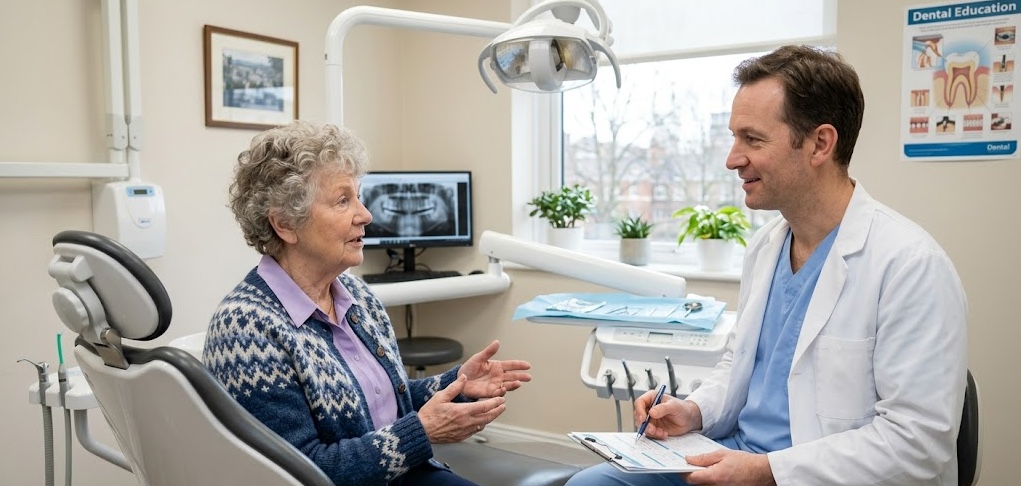
Diabetes and gum disease are closely connected. Elevated blood sugar can increase inflammation, reduce the body’s ability to heal, and make it easier for bacteria to affect the gums. In the early stages, gum inflammation may still be manageable and reversible with timely care. When allowed to progress, however, periodontal disease can become more difficult to control and may affect both oral health and overall health.
At 2nd Ave Family Dental, we help patients in Durango, CO understand how diabetes can influence gum health, why oral symptoms should not be ignored, and what practical steps can help protect the teeth, gums, and supporting bone long term.
This guide explains how diabetes increases the risk of gum disease, why the relationship works both ways, what symptoms to watch for, what treatment may involve, and how patients in Durango can take everyday steps to reduce complications and support healthier gums.
Explore related pages: What Causes Gum Disease?, Early Signs of Gingivitis, Dental Cleanings & Exams in Durango, General & Family Dentistry, How to Maintain Oral Hygiene Between Visits, Contact 2nd Ave Family Dental.
How Diabetes Increases the Risk of Gum Disease
Diabetes can affect the gums in several ways at once. When blood sugar stays elevated, it may support a more inflammatory environment in the mouth, make it harder for the body to fight infection efficiently, and slow the healing response after irritation or dental treatment.
This means plaque and bacteria at the gumline can become more problematic. Gums may swell more easily, bleed during brushing or flossing, and stay irritated longer than they otherwise would. Patients may also notice bad breath, tenderness, or changes in gum comfort that do not seem to go away.
High blood sugar can increase gum inflammation. This makes gingivitis and early periodontal irritation more likely.
Healing may be slower. Gum tissue may take longer to recover from irritation, infection, or procedures.
Infection risk may be higher. Bacteria can be harder for the body to control when diabetes is not well managed.
Dry mouth may also play a role. Less saliva can contribute to bacterial buildup, discomfort, and oral health changes.
For patients searching phrases like “does diabetes cause gum disease,” “how does diabetes affect gums,” “gum disease with diabetes,” or “diabetic gum problems in Durango, CO,” the most important takeaway is that diabetes can raise periodontal risk significantly, especially when symptoms are overlooked.
What Happens During the Different Stages of Gum Disease?
Diabetes does not create a completely different type of gum disease, but it can make normal stages of gum disease more likely to develop and more likely to progress if not treated early.
Healthy gums
Healthy gums fit closely around the teeth, feel comfortable, and do not bleed easily during brushing or flossing.
Gingivitis
The gums become red, swollen, or more likely to bleed, but permanent bone loss has usually not occurred yet.
Early periodontitis
Inflammation begins moving deeper below the gumline and pockets may begin forming around the teeth.
Moderate periodontitis
More support may be affected, gum recession may appear, and cleaning at home becomes less effective below the surface.
Advanced periodontitis
Bone and connective support may be lost, teeth may loosen, and long-term stability becomes a larger concern.
The practical takeaway
Patients with diabetes benefit from catching gum inflammation early, because early disease is generally easier to manage than deeper periodontal damage.
This is one reason routine dental cleanings and exams in Durango matter so much. Mild gum inflammation can often be identified before more serious periodontal changes develop.
YouTube Video: How Diabetes Increases Gum Disease Risk
This video fits naturally here because it explains how diabetes increases the risk of gum disease, including the role of high blood sugar, inflammation, and slower healing. It supports the article’s early focus on cause and progression.
For patients in Durango who are trying to understand whether diabetes may be affecting their gums right now, this is a helpful visual explanation of why symptoms can develop earlier and worsen more easily.
Why the Relationship Goes Both Ways
Many patients are surprised to learn that the connection between diabetes and gum disease is not only one-directional. Diabetes can increase the risk of periodontal disease, but active gum disease can also make blood sugar management harder.
When gum infection and inflammation stay active, they may contribute to a broader inflammatory burden in the body. That can make it harder for some patients to maintain consistent glycemic control. In that sense, unhealthy gums can become part of a larger whole-body health problem rather than remaining just a mouth issue.
That is why dental care is not separate from diabetes care. It is part of it. Keeping the gums healthier may help reduce ongoing inflammation and support better long-term stability overall.
Instagram Reel: High Blood Sugar, Inflamed Gums, and Slower Healing
This reel works well here because it reinforces the direct biological connection between diabetes and gum inflammation. It supports the transition from explaining risk into showing how symptoms can actually appear in the mouth.
For readers in Durango who have noticed bleeding, swollen gums, or healing that seems slower than expected, this reel helps connect those symptoms to diabetes-related oral changes.
Common Oral Health Problems Linked to Diabetes
Diabetes can show up in the mouth in more than one way. Some changes are directly related to gum inflammation, while others make gum disease more likely to develop or harder to control.
| Concern | What it does | Why it matters | Best next step |
|---|---|---|---|
| Bleeding gums | Signals irritation or inflammation near the gumline | May point to gingivitis or early periodontal disease | Schedule an exam and cleaning |
| Dry mouth | Reduces saliva’s protective effect | Can increase discomfort, odor, and bacterial risk | Discuss hydration and oral care support |
| Slow healing | Makes recovery take longer | Can complicate irritation, infection, and treatment | Get symptoms evaluated early |
| Periodontal infection | Moves deeper below the gums | May affect bone and long-term tooth support | Ask about periodontal treatment |
| Bad breath or mouth discomfort | Often reflects bacterial imbalance or inflammation | May be an early warning sign that deserves attention | Do not wait for pain to worsen |
Helpful background: What Causes Gum Disease?, What Are the Early Signs of Gingivitis?, How to Maintain Oral Hygiene Between Dental Visits.
YouTube Video: The Two-Way Relationship Between Diabetes and Gum Disease
This video belongs here because it explains how diabetes can worsen gum disease and how gum disease can also interfere with diabetes management. It helps patients understand why oral health should be part of an overall diabetes care strategy.
For people in Durango who are managing diabetes and wondering whether their gums can affect the bigger picture, this kind of explanation makes the connection much clearer.
What Symptoms Suggest Diabetes May Be Affecting Your Gums?
Some symptoms seem mild at first, which is why they are easy to dismiss. But in patients with diabetes, early signs deserve attention because inflammation can become more persistent and more difficult to control over time.
Bleeding when brushing or flossing
One of the earliest and most common warning signs of gum inflammation.
Red or puffy gums
Healthy gums should not stay visibly swollen or irritated day after day.
Bad breath that keeps returning
May reflect bacterial buildup and ongoing periodontal irritation.
Dry mouth
Can make the mouth feel uncomfortable and reduce natural protection against plaque.
Gum recession
Gums that seem to pull away from teeth may suggest deeper support changes.
Delayed healing or tenderness
Persistent gum discomfort should not be ignored, especially in diabetic patients.
If you notice any of these in Durango, CO, a dental evaluation is usually the best next step. Earlier diagnosis often means more conservative treatment and a better chance of preventing deeper damage.
Instagram Reel: Diabetes Raises the Likelihood of Gum Disease
This reel fits naturally here because it reinforces that people with diabetes are more likely to develop gum disease and explains why oral health deserves more attention, not less, when blood sugar is part of the picture.
For families and adults in Durango trying to stay ahead of preventable complications, this reminder matters because gum disease often begins before pain makes it obvious.
What Treatment for Diabetic Gum Disease May Involve
Treatment depends on how advanced the gum disease is, how much plaque and tartar are present, whether pockets have formed below the gumline, and how the tissue is responding. At 2nd Ave Family Dental, we explain findings clearly so patients understand both the condition and the purpose of treatment.
Routine professional cleaning
Often helpful when gum inflammation is mild and buildup has not progressed deeply below the gumline.
Deeper periodontal cleaning
May be recommended when deposits and bacteria have moved lower around the tooth root surfaces.
Closer monitoring
Patients with diabetes may benefit from more proactive follow-up to keep symptoms from progressing.
Personalized home-care guidance
Daily habits matter, especially when healing and inflammation are influenced by blood sugar levels.
Long-term maintenance
Periodontal stability often depends on regular care over time, not just one appointment.
For many patients, treatment is less about one dramatic event and more about a practical plan: reduce bacterial buildup, improve tissue health, monitor changes closely, and keep the mouth as stable as possible.
How Daily Habits Can Help Protect Your Gums
Professional care matters, but home care is still central to the outcome. Because gum disease begins with bacterial buildup and inflammation, daily plaque control remains part of the solution whether diabetes is present or not.
Brush thoroughly twice a day
Use a soft-bristled toothbrush and clean gently along the gumline rather than brushing aggressively.
Clean between your teeth every day
Floss or interdental cleaners help remove plaque from areas where gum disease often begins.
Do not ignore bleeding gums
Bleeding is a warning sign of inflammation, not a reason to avoid cleaning the area.
Keep regular dental visits
Professional cleanings and exams help catch problems early before periodontal damage becomes more serious.
Support stable blood sugar management
Better overall diabetes control may also help reduce oral inflammation and support healthier healing.
Patients in Durango who are balancing work, family routines, and health needs usually do best with a simple, sustainable prevention plan. The most effective gum-care routine is one that can be maintained consistently.
YouTube Video: How Diabetes Affects Oral Health Overall
This video fits well here because it expands the discussion beyond the gums alone and shows how diabetes can influence oral health more broadly, including gum infections, complications, and healing concerns.
For readers in Durango who want the bigger picture of how diabetes affects the mouth, this video helps connect gum disease to overall oral wellness more clearly.
Instagram Reel: Diabetes Symptoms That Can Show Up in the Mouth
This final reel works well here because it brings the article back to practical awareness. It highlights how diabetes can appear in the mouth through dry mouth, increased gum vulnerability, and higher periodontal risk.
For patients in Durango, that reminder matters because small oral symptoms can be easy to dismiss until inflammation has already progressed.
Durango, CO FAQ: What Local Patients Ask About Diabetes and Gum Disease
Does diabetes increase the risk of gum disease?
Yes. Diabetes can increase inflammation, slow healing, and make bacterial infection harder to control, which can raise the risk of gum disease.
Can gum disease make diabetes harder to manage?
It can. Ongoing periodontal inflammation may contribute to broader inflammation in the body, which may make blood sugar control more difficult for some patients.
What are early signs that diabetes may be affecting my gums?
Bleeding gums, swelling, bad breath, dry mouth, tenderness, and delayed healing are all signs that deserve attention.
Does dry mouth matter for diabetic patients?
Yes. Dry mouth can reduce saliva’s protective role and may increase the risk of plaque buildup, irritation, and oral discomfort.
Can regular cleanings help reduce diabetic gum problems?
Yes. Preventive cleanings and exams are an important part of reducing plaque, spotting inflammation early, and helping keep gum disease from progressing.
What is the first step if I think diabetes is affecting my gums in Durango, CO?
Schedule a dental evaluation and cleaning consultation. Earlier diagnosis often means more conservative and more effective treatment options.
Can diabetic patients keep gum disease under control?
In many cases, yes. With professional care, strong daily oral hygiene, and attention to blood sugar management, many patients can keep their gums healthier and more stable.
Key Takeaways About Diabetes and Gum Disease
Diabetes can increase the risk of gum disease. High blood sugar, inflammation, and slower healing all play a role.
The relationship goes both ways. Gum disease may also make blood sugar management more difficult.
Early symptoms matter. Bleeding, swelling, bad breath, dry mouth, and tenderness deserve attention before deeper damage develops.
Daily habits matter. Consistent brushing, cleaning between the teeth, and regular dental visits help reduce progression risk.
Preventive dental care in Durango matters. Routine exams can catch diabetic gum complications earlier and make treatment more manageable.
Concerned About Diabetes and Gum Disease in Durango, CO?
If your gums bleed, feel swollen, seem slower to heal, or you have noticed dry mouth or recurring gum discomfort, 2nd Ave Family Dental is here to help. We work with patients throughout Durango, CO to identify early gum changes, explain treatment clearly, and recommend practical next steps that support both oral health and long-term wellness.
Whether you need a preventive cleaning, a closer periodontal evaluation, or guidance on protecting your gums while managing diabetes, our team is committed to making care comfortable, understandable, and personalized.
Schedule an AppointmentMedically Reviewed by Dr. Taylor M. Clark, Durango Dentist
This article was medically reviewed by Dr. Taylor M. Clark, lead dentist at 2nd Avenue Dental in Durango, CO. Dr. Clark is known for combining modern dental care with a patient-centered philosophy that emphasizes prevention, education, and personalized treatment for families and individuals throughout the Durango community. To learn more about his background, leadership, and commitment to high-quality local care, visit Dr. Taylor M. Clark, Durango Dentist. If you have questions about diabetic gum disease, gingivitis, periodontal symptoms, or preventive treatment options for protecting your smile, contact 2nd Ave Family Dental to schedule an appointment for personalized guidance.