
A Heavily Damaged Tooth
If a tooth has lost substantial structure from decay or fracture, a crown may provide support a smaller filling can't.

Dental Crowns in Durango
A crown covers the visible portion of a tooth to restore its shape, function, and strength, but needing dental work doesn't automatically mean needing a crown. At 2nd Avenue Family Dental, the first question is whether the remaining tooth actually needs that level of protection.
A crown, sometimes called a cap, covers the visible part of a tooth. The ADA lists several common reasons a crown may be used: supporting a tooth with a large filling and limited remaining structure, protecting a weak tooth from breaking, restoring an already broken tooth, supporting a bridge, or covering an implant. (Source: American Dental Association)
That doesn't mean every cracked, filled, or discolored tooth needs one. How much tooth remains, where the damage is, and how the tooth functions all factor into the decision.

"Your tooth needs a crown" isn't much of an explanation on its own. Patients usually want to know how damaged the tooth is, why a filling isn't enough, what happens if it's left alone, and how much healthy tooth is left. Those are reasonable questions, and answering them is part of the visit, particularly for patients who've avoided care out of fear that one problem will turn into an overwhelming treatment plan.
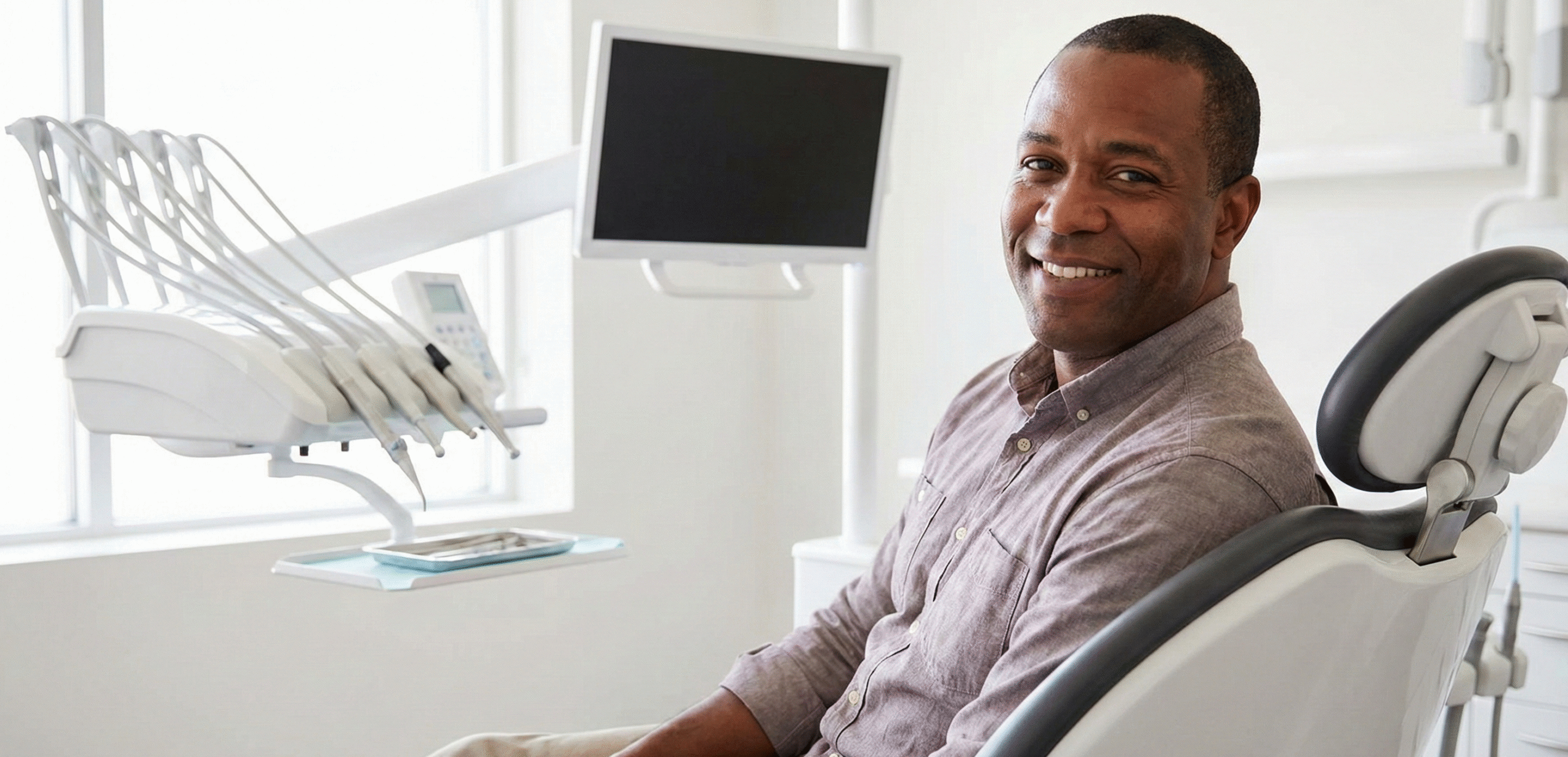
Dr. Taylor Clark's background is unusual for a community family dentist. After dental school at UNC Chapel Hill and service with the Indian Health Service, he completed two years of advanced anesthesiology training at UCLA, training that shapes how a "you need a crown" conversation gets handled here: explained clearly, at a pace that works for you.
Your Dental Home in Durango
835 E 2nd Ave
Durango, CO 81301
We welcome patients from Durango, La Plata County, and the Four Corners looking for a long-term dental home close by. Whether you're fitting a visit around school, work, travel, or everything else that fills a week in Southwest Colorado, the goal is to make getting care feel straightforward.