
Are Wisdom Teeth Always Necessary to Remove
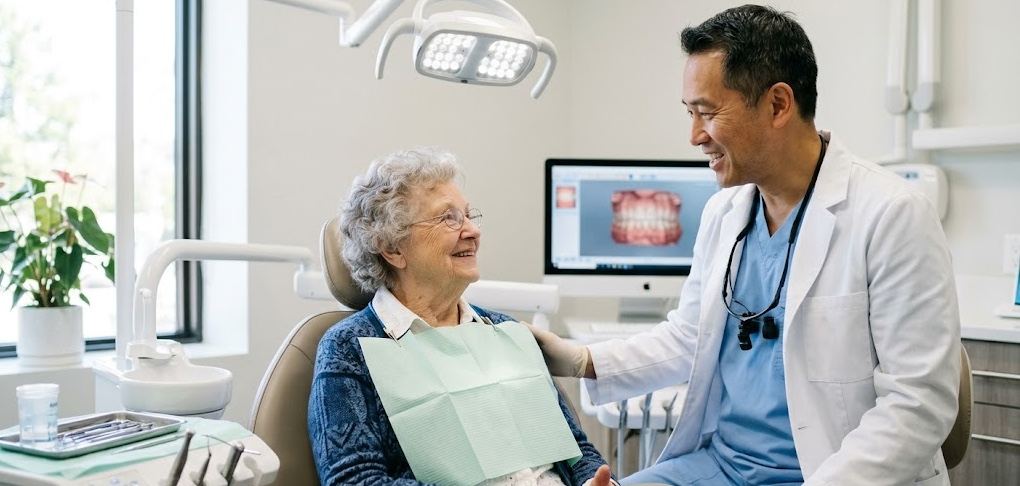
Wisdom teeth do not always need to be removed. Some third molars come in normally, stay healthy, and can be monitored over time. Others become impacted, crowd neighboring teeth, trap bacteria, or cause pain, swelling, gum problems, or infection. The right next step depends on the position of the teeth, your symptoms, and what your dentist sees on the exam and X-rays.
At 2nd Ave Family Dental, we help patients in Durango, CO understand when wisdom tooth removal makes sense and when watchful monitoring may be a reasonable option. Our goal is to explain the issue in plain English so you feel confident about treatment decisions instead of pressured by one-size-fits-all advice.
This guide explains what wisdom teeth are, why some need to come out, when they may be left alone, what warning signs to watch for, and how wisdom tooth concerns can affect daily life for families, retirees, outdoor enthusiasts, and working professionals in Durango.
Explore related resources: Dental Services, Contact 2nd Ave Family Dental, About 2nd Ave Family Dental, Meet the Team, General & Family Dentistry in Durango, Emergency Dentist in Durango.
What Are Wisdom Teeth?
Wisdom teeth are the third molars at the very back of the mouth. Most people have up to four wisdom teeth, though some have fewer and some never develop them at all. These teeth usually appear later than the rest of the adult teeth, often in the late teens or early twenties.
Because they erupt last, wisdom teeth often have less room to come in properly. When there is not enough space, they can emerge at an angle, stay trapped under the gums, or only partially erupt. That is why wisdom teeth are more likely than other teeth to create concerns such as crowding, soreness, gum irritation, or infection.
For patients in Durango, CO searching for answers about wisdom tooth pain, pressure, or swelling, the most important point is this: wisdom teeth are not automatically a problem, but they deserve careful evaluation when symptoms appear.
Are Wisdom Teeth Always Removed?
No. Wisdom teeth are not always necessary to remove. If they have erupted fully, are in a healthy position, can be cleaned well, do not damage surrounding teeth, and are not causing symptoms, a dentist may recommend monitoring them instead of removing them.
That said, many wisdom teeth do eventually become candidates for removal because they are partially erupted, impacted, difficult to clean, or associated with repeated inflammation and infection. In other words, the decision is less about a fixed rule and more about whether those teeth are likely to create present or future problems.
Patients often search for “do all wisdom teeth need to be removed in Durango, CO” because they want a clear yes-or-no answer. The honest answer is that some can stay, but many are removed because of limited space, poor positioning, or signs of disease risk.
Video: Why Dentists Recommend Wisdom Tooth Removal in Some Cases
This video fits naturally here because it gives patients a visual overview of why wisdom teeth are sometimes removed and why the recommendation depends on the tooth’s position, symptoms, and long-term risk.
It works well near the beginning because many patients want quick, visual context before reading through the details of eruption, impaction, and monitoring.
When Wisdom Teeth May Be Fine to Keep
Some wisdom teeth can stay in place for years without causing problems. This is most likely when the tooth has come in straight, there is enough room in the jaw, the surrounding gums are healthy, and the tooth can be cleaned like any other molar. A wisdom tooth that functions normally and does not contribute to decay or gum disease may not need to be removed.
Monitoring still matters. Even symptom-free wisdom teeth should be evaluated during routine exams so your dentist can watch for changes over time. A tooth that is quiet now can become harder to clean later, or its position may make future problems more likely.
It has enough room. The tooth is not pressing into neighboring teeth or trapped below the gum line.
It is fully erupted. Teeth that come in completely are often easier to clean than partially erupted teeth.
It is healthy. There is no decay, infection, cyst concern, gum inflammation, or repeated pain.
It is easy to maintain. Good home care and routine dental visits can help keep a healthy wisdom tooth stable.
For many patients in Durango, regular preventive care is the key factor that determines whether a symptom-free wisdom tooth can stay under observation.
Instagram Reel: Impacted Wisdom Teeth and Why They May Need Treatment
This reel supports the discussion above by showing how impacted wisdom teeth can create pain, swelling, and infection even when patients are unsure what is happening in the back of the mouth.
It helps patients connect symptoms like jaw pressure, swelling, or hard-to-clean back teeth with the possibility of impaction.
When Wisdom Teeth Often Need to Be Removed
Wisdom teeth are more likely to need removal when they are impacted, partially erupted, repeatedly inflamed, damaging adjacent teeth, or impossible to keep clean. These situations can raise the risk of infection, cavities, gum disease, bone loss around neighboring teeth, and ongoing discomfort.
Removal may also be recommended when a wisdom tooth is growing sideways, pressing into the second molar, or creating a pocket where food and bacteria collect. Patients may notice tenderness behind the last molar, bad breath, swelling, pain while chewing, or episodes that seem to flare up and settle down.
In some cases, dentists recommend removing wisdom teeth before they become a bigger problem. That does not mean every patient needs preventive removal, but it does mean that timing can matter when a tooth is already showing clear signs of future trouble.
Common Reasons for Wisdom Tooth Removal
Impaction
The tooth is trapped under the gums or bone and may never erupt properly.
Partial eruption
The tooth breaks through the gums only partway, making it easier for bacteria to collect.
Repeated infection
Inflamed gum tissue around a wisdom tooth can lead to pain, swelling, and tenderness.
Damage to nearby teeth
A poorly positioned wisdom tooth may push against the second molar or contribute to decay.
Crowding concerns
Some patients are advised to remove wisdom teeth if pressure or positioning creates orthodontic concerns.
Difficult cleaning
Even if symptoms are mild, a tooth that cannot be cleaned well may create future risk.
Patients searching for wisdom tooth removal in Durango, CO often fall into one of these categories: pain now, repeated flare-ups, or a dentist warning that the tooth is positioned badly enough to create trouble later.
Video: Signs a Wisdom Tooth Is Becoming a Problem
This video works well here because readers have now seen the main reasons for removal and are often wondering what symptoms deserve attention before the issue gets worse.
It creates a natural transition into the symptom checklist below and helps patients understand when monitoring may no longer be enough.
Symptoms That May Mean a Wisdom Tooth Needs Evaluation
Not all wisdom tooth symptoms are dramatic. Sometimes the earliest signs are mild and easy to dismiss, especially if they come and go. A patient may feel pressure in the back of the jaw, soreness while chewing, gum swelling behind the molars, or food getting trapped in a hard-to-clean area.
Other times, the symptoms are more obvious. You may notice pain that radiates into the jaw, difficulty opening your mouth comfortably, bad taste, bad breath, swelling in the gums, or tenderness near the ear. These signs do not always mean the tooth must come out immediately, but they do mean it should be examined.
| Symptom | What it may suggest | Why it matters | Possible next step |
|---|---|---|---|
| Swollen gums in the back | Partial eruption or trapped bacteria | Can lead to repeated inflammation or infection | Dental exam and X-rays |
| Jaw pain or pressure | Impaction or eruption pressure | May worsen with chewing or mouth opening | Evaluate tooth position |
| Food trapping | Difficult-to-clean tooth position | Raises cavity and gum disease risk | Assess whether monitoring is realistic |
| Bad taste or odor | Bacterial buildup around the tooth | Can signal infection or gum irritation | Prompt dental review |
| Pain spreading to nearby teeth | Pressure or irritation affecting the second molar | Neighboring teeth may also be at risk | Imaging and treatment plan |
If you are searching for an emergency dentist in Durango because of wisdom tooth swelling, severe back-tooth pain, or trouble opening your mouth, it is important to get evaluated instead of waiting for repeated flare-ups to continue.
Instagram Reel: Why Earlier Wisdom Tooth Removal Can Prevent Bigger Problems
This reel fits naturally here because it reinforces the idea that some wisdom teeth are easier to treat before they cause repeated infection, crowding, or damage to nearby teeth.
It supports one of the most common questions patients ask: should I wait until it hurts more, or deal with it before it turns into a bigger issue?
Can Wisdom Teeth Cause Crowding?
Crowding is one of the most talked-about wisdom tooth concerns. In some cases, dentists worry about the pressure a poorly positioned wisdom tooth may place on the area behind the second molar. In other cases, the concern is less about major tooth shifting and more about limited space, difficulty cleaning, and gum irritation.
Patients who have had orthodontic treatment are often especially concerned about their alignment. If you notice pressure, food trapping, or tenderness around the back molars, your dentist may recommend imaging to see whether the wisdom teeth are contributing to the problem.
For Durango patients investing in long-term oral health, prevention matters. Removing a wisdom tooth is not always about treating severe pain right now. Sometimes it is about reducing a predictable risk to adjacent teeth and gums before that risk becomes more complicated and costly.
How Dentists Decide Whether to Remove Wisdom Teeth
A decision about wisdom tooth removal usually involves more than a quick visual check. Your dentist looks at symptoms, gum health, tooth position, available space, bite pattern, and X-ray findings. The goal is to understand whether the teeth are healthy and maintainable or whether they are likely to create recurring trouble.
This is also where patient lifestyle matters. Someone who has repeated inflammation before travel, difficulty cleaning the area, or frequent swelling during busy work periods may choose a different path than someone with fully erupted, healthy wisdom teeth that have stayed stable for years.
Review symptoms
Your dentist will ask about pain, swelling, bad taste, pressure, and repeated flare-ups.
Examine the gums and nearby teeth
The health of the second molar and surrounding tissue is an important part of the decision.
Use X-rays to evaluate position
Imaging shows whether the tooth is impacted, angled, trapped, or likely to damage nearby structures.
Assess cleaning and long-term risk
A tooth that is technically present but impossible to maintain may still be a removal candidate.
Create a personalized plan
You may be advised to monitor the teeth, treat current inflammation, or move forward with removal.
Video: Wisdom Tooth Recovery and What to Expect After Removal
This video belongs here because once patients understand why removal may be recommended, the next question is usually what recovery looks like and how disruptive the process will be.
It helps patients set realistic expectations and reduces uncertainty about swelling, soreness, and healing time after treatment.
What Happens If You Do Not Remove a Problem Wisdom Tooth?
Sometimes nothing urgent happens right away. But a problematic wisdom tooth can continue to create recurring low-grade trouble that gradually becomes more serious. That might mean repeated gum irritation, infection around a partially erupted tooth, damage to the neighboring molar, worsening pain, or a hygiene problem that becomes harder to manage over time.
In other patients, symptoms come in waves. The tooth seems quiet for a while, then flares up before a trip, during a stressful week, or right when it is least convenient. This pattern is one reason many patients in Durango choose to address a clear wisdom tooth problem before it turns into an emergency.
Choosing not to remove a tooth is still a decision, and sometimes it is the right one. But it should be an informed decision based on exam findings, not just the hope that the issue will disappear on its own.
Instagram Reel: When Monitoring Is Enough and When Removal Makes More Sense
This final reel works well here because it summarizes the central message of the article: some wisdom teeth can be watched, while others are better treated before they keep causing pain, swelling, or infection.
It provides a simple visual recap before the article closes with practical next steps for patients in Durango, CO.
How 2nd Ave Family Dental Helps with Wisdom Tooth Concerns in Durango, CO
At 2nd Ave Family Dental, we believe patients make better decisions when they understand not only what a dentist recommends, but why. That is especially important with wisdom teeth, where the best answer may be removal for one patient and monitoring for another.
We focus on clear communication, comfortable care, and practical treatment planning for individuals and families throughout Durango. Whether you are dealing with new wisdom tooth pain, repeated swelling, concerns about crowding, or questions about whether removal is really necessary, our team works to explain your options in straightforward terms.
If you are searching for wisdom tooth evaluation in Durango, emergency dental care in Durango, or a family dentist in Durango who takes time to explain treatment decisions, we are here to help you feel informed and supported.
Durango, CO FAQ: Are Wisdom Teeth Always Necessary to Remove?
Do all wisdom teeth need to be removed?
No. Wisdom teeth do not always need to be removed. Teeth that erupt properly, stay healthy, and can be cleaned well may be monitored instead.
How do I know if my wisdom teeth are impacted?
Impacted wisdom teeth are usually identified through an exam and dental X-rays. Symptoms may include pressure, swelling, pain, or repeated gum irritation in the back of the mouth.
Can wisdom teeth stay if they do not hurt?
Sometimes yes. A wisdom tooth that is not painful may still be a problem if it is trapping bacteria, pressing into another tooth, or difficult to clean, so evaluation still matters.
What are the signs I may need wisdom tooth removal in Durango, CO?
Common signs include jaw pain, swelling, gum tenderness, repeated infection, bad taste, food trapping, or pressure behind the back molars.
Can wisdom teeth cause damage even without severe pain?
Yes. They can sometimes contribute to gum disease, decay in the adjacent molar, or chronic inflammation even before pain becomes intense.
Is early wisdom tooth removal better?
In some situations, yes. If the tooth is clearly impacted or already causing problems, earlier treatment may help prevent more complicated issues later.
Should I see an emergency dentist in Durango for wisdom tooth swelling?
If swelling is significant, painful, associated with limited mouth opening, or getting worse, prompt dental care is a good idea.
Can a dentist in Durango monitor wisdom teeth instead of removing them?
Yes. Monitoring is often reasonable when the teeth are healthy, stable, and not putting neighboring teeth or gums at risk.
Key Takeaways
Wisdom teeth are not automatically removed. Some can stay if they are healthy, fully erupted, and easy to maintain.
Many wisdom teeth do become removal candidates. Impaction, infection, poor positioning, and cleaning difficulty are common reasons.
Symptoms matter, but X-rays matter too. A tooth can be risky even before it becomes severely painful.
Monitoring is a real option in the right case. Healthy wisdom teeth can sometimes be watched over time with regular dental visits.
Patients in Durango, CO benefit from individualized guidance. The best plan depends on your symptoms, tooth position, and long-term oral health goals.
Need Guidance on Wisdom Teeth in Durango, CO?
If you are wondering whether your wisdom teeth need to be removed, 2nd Ave Family Dental is here to help. We provide clear evaluations, patient-centered recommendations, and practical next steps for people dealing with pain, swelling, crowding concerns, or impacted third molars.
Whether you need a wisdom tooth exam, help with a painful flare-up, or a second opinion on whether removal is really necessary, our team is ready to help you feel informed and comfortable.
Schedule an AppointmentMedically Reviewed by Dr. Taylor M. Clark, Durango Dentist
This article was medically reviewed by Dr. Taylor M. Clark, a trusted leader at 2nd Avenue Dental in Durango, CO. Dr. Clark is known for patient-centered care that emphasizes comfort, prevention, education, and personalized treatment planning for individuals and families throughout the Durango community. To learn more about his background, philosophy, and role at the practice, visit Dr. Taylor M. Clark, Durango Dentist. For guidance tailored to your needs, schedule an appointment with 2nd Ave Family Dental.