
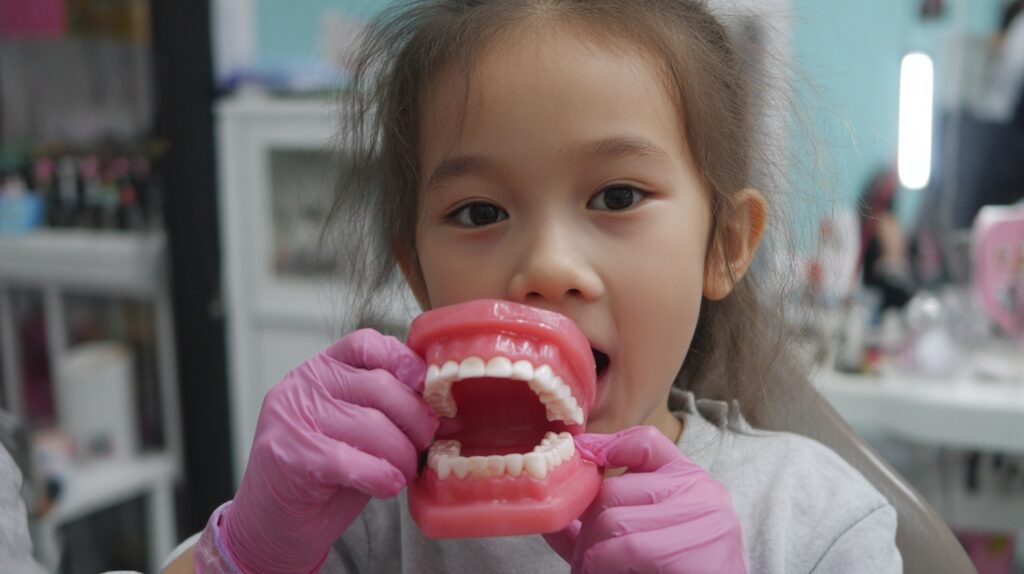
How to Teach Kids Proper Brushing Techniques
The best way to teach kids proper brushing is to make it simple, visual, consistent, and age-appropriate. Children need help learning where to brush, how long to brush, how much pressure to use, and when flossing should become part of the routine.
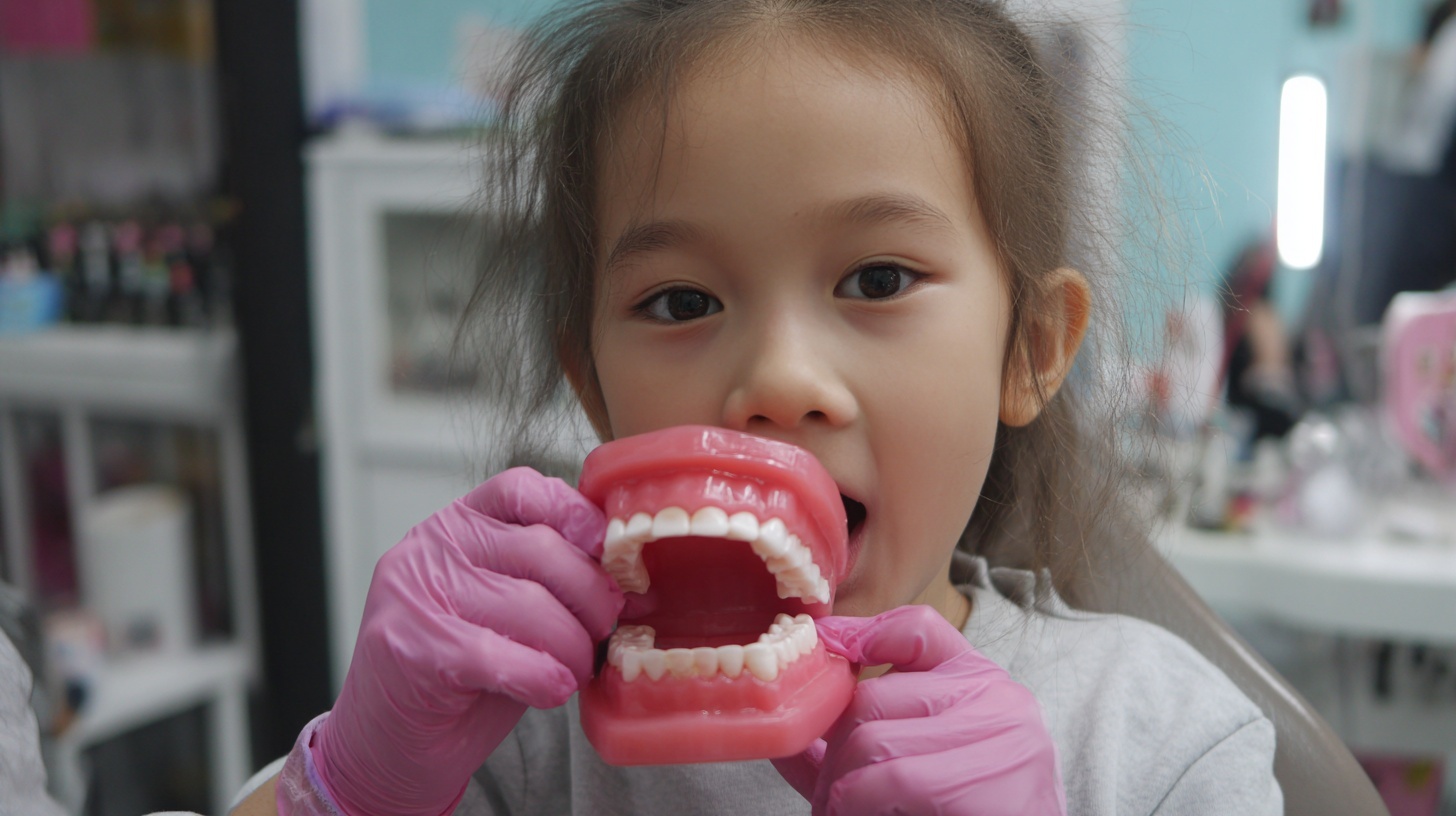
At 2nd Ave Family Dental in Durango, CO, we help parents turn brushing and flossing into simple habits children can understand. Most kids need coaching for years because they often miss back teeth, gumlines, and tight spaces even when they are trying.
The goal is to make oral hygiene feel normal and doable. With the right approach, brushing becomes less of a nightly battle and more of a predictable part of family life.
- How to teach children the right brushing motion and coverage.
- Why parent help is still important even when kids brush independently.
- When to introduce flossing and how to make it easier.
- How Durango families can build better daily routines between dental visits.
The Brushing Basics Kids Need to Learn
Children need to learn four core brushing habits: brush twice a day, reach every tooth surface, clean along the gumline, and brush long enough to remove plaque. That sounds simple, but young children often brush only the front teeth or chew on the toothbrush instead of cleaning carefully.
A parent’s job is to model the habit, guide the child’s hand, and check the areas kids commonly miss. Brushing should feel calm and repeatable. If your child struggles, start with progress: better coverage, better timing, and less resistance.
Brush Twice Daily
Morning and bedtime brushing help remove plaque before it sits on teeth for long periods.
Reach Every Surface
Kids need help brushing the outside, inside, and chewing surfaces of every tooth.
Clean the Gumline
Plaque often collects where the teeth meet the gums, so gentle gumline brushing matters.
Use Gentle Pressure
Brushing harder is not better. Gentle, steady brushing is safer for gums and enamel.
How Much Help Do Kids Need by Age?
Children do not become excellent brushers just because they want to be independent. Hand coordination, attention span, and consistency all develop over time. Many children still need parent help or supervision through the early school years.
| Age Range | What Parents Usually Need to Do | What to Watch |
|---|---|---|
| Toddlers | Parents should do most of the brushing and keep it short, calm, and routine. | Use age-appropriate toothpaste amounts and prevent swallowing toothpaste. |
| Preschoolers | Let children practice, then parent finishes the brushing. | Watch for missed molars and rushed brushing. |
| Early School Age | Children can do more, but parents should still check and help as needed. | Look for plaque near gumlines, back teeth, and between teeth. |
| Older Kids and Teens | Parents can shift toward reminders, accountability, and dental-team coaching. | Braces, sports drinks, snacks, and late-night routines can raise cavity risk. |
For related age-based guidance, see helping kids brush and floss, what to expect during a child’s dental cleaning, and regular dental checkups for kids.
Common Brushing Mistakes Kids Make
Most brushing problems are not about effort. They are about technique and consistency. Kids may brush quickly, miss the back teeth, avoid the gumline, or focus only on the teeth they can see in the mirror.
Brushing Too Fast
A quick swipe across the front teeth is not enough. Use a timer, song, or routine cue to help your child slow down.
Missing Back Molars
Back teeth are easy to skip and often have grooves that trap food. Help your child “park” the brush on the molars and clean the chewing surfaces.
Ignoring the Gumline
Plaque can sit along the gumline. Teach gentle brushing where teeth and gums meet, not just the middle of the tooth.
Using Too Much Pressure
Scrubbing hard can irritate gums. Show kids how to use small, gentle motions instead of force.
Stand behind your child while they face the mirror. This gives you a better angle to guide brushing while letting your child see what is happening.
When Should Kids Start Flossing?
Children should begin flossing when teeth touch and a toothbrush can no longer clean between them well. For some kids, this happens early. For others, there may be spaces between baby teeth for a while. Your dental team can tell you when flossing should become part of your child’s daily routine.
Flossing can be difficult for kids, so parents often need to help. Floss picks may make the habit easier for some families, especially at bedtime.
Start When Teeth Touch
If teeth are close together, food and plaque can hide where a toothbrush cannot reach.
Help at First
Most children need parent help with flossing until they develop the coordination to do it well.
Be Gentle
Floss should slide between teeth and hug the sides of each tooth without snapping into the gums.
Make It Routine
Flossing is easiest when it happens at the same time every night.
For more prevention support, read how to prevent cavities in children, best snacks for healthy teeth, and fluoride treatments for children.
How to Make Brushing Habits Stick
Children learn habits through repetition. If brushing becomes a negotiation every night, it may help to create a routine that does not change: pajamas, brushing, flossing if needed, story, bed. Predictability reduces resistance.
Use the Same Routine Every Night
Kids cooperate better when brushing happens at the same point in the bedtime routine.
Make It Visual
Use a mirror, timer, chart, or song so your child can see and understand the routine.
Praise Specific Effort
Say, “You brushed your back teeth well,” or “You remembered the gumline,” instead of only saying “good job.”
Let the Dental Team Reinforce It
Sometimes children listen differently when brushing tips come from a dentist or hygienist during a visit.
How Dental Visits Help Improve Brushing at Home
Dental visits give parents a clearer picture of what is happening at home. During a cleaning or checkup, the team can often see where plaque is collecting and explain which areas need more attention.
Plaque Clues
The dental team can show parents where a child is missing while brushing.
Technique Coaching
Kids can learn how to angle the brush, reach molars, and clean the gumline.
Flossing Guidance
Parents can ask whether flossing is needed and what tools may make it easier.
Prevention Planning
Cleanings, fluoride, sealants, and snack guidance can support a stronger home routine.
- Where is my child missing plaque?
- Should I still help with brushing?
- Are my child’s teeth close enough to need flossing?
- Would fluoride or sealants help reduce cavity risk?
- How often should my child come in for cleanings?
How Brushing Fits Into Long-Term Oral Health
Good brushing protects more than baby teeth. It helps children build habits they can carry into the teen years and adulthood. When brushing, flossing, water, smart snacks, and routine dental visits work together, children have a stronger foundation for long-term oral health.