
Can You Drive After Oral Surgery
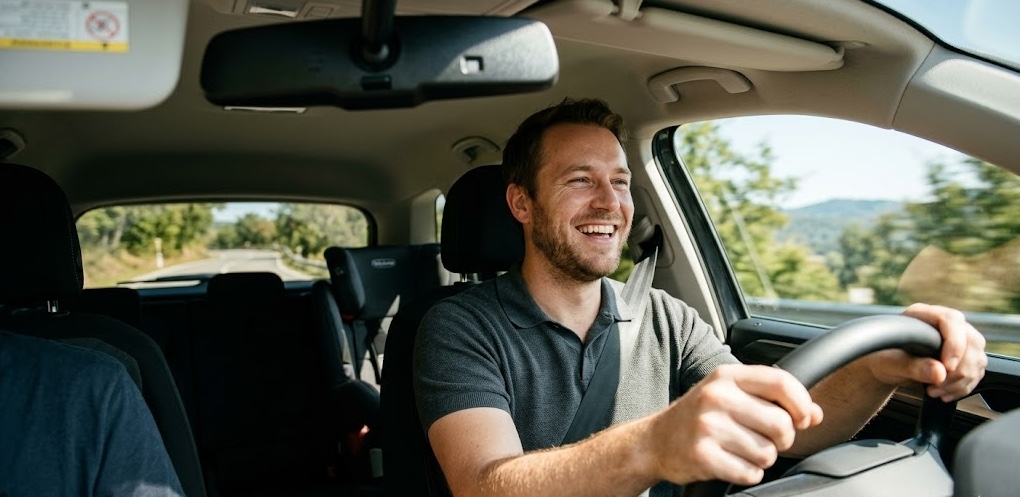
Sometimes you can drive after oral surgery, but many patients should not. Whether it is safe depends on the type of procedure you had, the kind of anesthesia or sedation used, how you feel afterward, and whether your dentist gave you activity restrictions. In many cases, patients who receive IV sedation, oral sedation, general anesthesia, or prescription pain medicine should plan for someone else to drive them home.
At 2nd Ave Family Dental, we help patients in Durango, CO understand what to expect before and after treatment so recovery feels more manageable and less stressful. Transportation planning is part of that preparation. Even a short drive through town can be unsafe if you are drowsy, groggy, lightheaded, or not thinking clearly after surgery.
This guide explains when driving may not be safe after oral surgery, how sedation changes the answer, what warning signs to watch for, and how to plan your ride home and first day of recovery with confidence.
Explore related resources: Dental Services, Contact 2nd Ave Family Dental, About 2nd Ave Family Dental, Meet the Team, General & Family Dentistry, Emergency Dentist in Durango.
Why Driving After Oral Surgery Is Not Always Safe
Driving requires alertness, coordination, judgment, and quick reaction time. Oral surgery can interfere with all of those, especially if you have received sedation or anesthesia. Even if you feel “mostly fine,” you may still be slower to react, less focused, or more fatigued than usual.
That matters whether you are leaving a wisdom tooth appointment, an extraction, an implant procedure, or another type of oral surgery. A patient may feel okay standing up or walking out of the office, yet still not be safe to drive on city streets, highways, or rural roads outside Durango.
For many people, the best plan is simple: assume you may need a ride unless the dental team specifically tells you otherwise.
The Biggest Factor: What Kind of Sedation or Anesthesia You Had
The answer to “Can I drive after oral surgery?” often comes down to what was used during treatment. Local anesthetic alone is very different from IV sedation or oral sedation. With local anesthetic, patients may sometimes be able to drive if they feel normal and have no other restrictions. With sedation, driving is usually not appropriate right after the procedure.
Local anesthetic only
If the procedure was done with numbing medication only, some patients may be able to drive, depending on how they feel and whether no other medication affects them.
Nitrous oxide
Some patients recover quickly, but whether driving is appropriate depends on the office protocol, how the patient feels, and whether other medications were also used.
Oral sedation
Patients should generally not drive after taking sedative medication because drowsiness and slowed reaction time can last for hours.
IV sedation
Patients should plan on having a responsible adult drive them home and stay with them as instructed after the appointment.
General anesthesia
Driving is not appropriate after general anesthesia. You should have transportation and follow all recovery instructions closely.
Prescription pain medication
Even after you get home, narcotic or sedating pain medication may make driving unsafe later in the day.
That is why transportation instructions are usually given before the appointment, not after. Planning ahead matters.
Instagram Reel: IV Sedation Recovery Means No Driving
This reel fits naturally here because it reinforces one of the clearest and most important recovery rules after sedation: patients should not drive, work, supervise children alone, or make important decisions immediately afterward.
It helps patients understand that the issue is not only the drive home. Sedation can also affect judgment, memory, balance, and decision-making during the early recovery period.
When You Might Be Able to Drive Yourself
Some patients may be able to drive after oral surgery if the procedure was minor, only local anesthetic was used, and they feel fully alert afterward. This is more likely with straightforward treatment that does not involve sedatives and does not leave the patient dizzy, weak, or distracted by significant discomfort.
Even then, patients should be cautious. A numb mouth alone does not always prevent driving, but feeling shaky, stressed, or in pain can still affect concentration. If the procedure was more difficult than expected, if bleeding continues, or if a medication makes you sleepy, driving yourself may no longer be a good idea.
For patients in Durango, CO, especially those commuting from surrounding areas or mountain roads, it is often smarter to arrange a ride ahead of time rather than assume you will be up for the drive afterward.
Why Sedation Changes the Answer So Much
Sedation medications are designed to help patients relax and feel more comfortable during treatment. That benefit is exactly why they can also make driving unsafe afterward. Even when you feel more awake later, the effects may not be completely gone.
Common post-sedation effects include grogginess, slower reflexes, poor coordination, lightheadedness, blurred judgment, and patchy memory. These effects may be subtle, but subtle is still too much when you are behind the wheel.
Patients searching for oral surgery sedation in Durango or wisdom tooth removal with sedation should assume they will need transportation unless told otherwise by the dental team.
Instagram Reel: Sedation Can Mean No Driving or Operating Machinery for 24 Hours
This reel belongs here because it explains what sedation can feel like and gives the practical warning many patients need to hear clearly: no driving and no operating machinery for the recovery period recommended by the provider.
Placed here, it supports the point that feeling calmer during the procedure does not mean you are ready for normal activities immediately afterward.
Common Situations Where You Should Not Drive
There are several situations where driving after oral surgery is generally a bad idea, even if the trip home seems short.
You had IV sedation, oral sedation, or general anesthesia: These almost always require a ride and recovery support.
You were prescribed narcotic pain medication: Many pain medicines can impair reaction time and judgment.
You feel dizzy, weak, or nauseated: These symptoms can make it unsafe to focus on the road.
You are bleeding more than expected or feel stressed by the procedure: Discomfort and distraction can interfere with safe driving.
Your provider told you not to drive: That instruction should always be followed exactly.
Patients sometimes focus only on whether they technically can move the car. The better question is whether they can drive safely and responsibly. After surgery, those are not always the same thing.
How Long Should You Wait Before Driving Again?
The exact timeline depends on the kind of sedation or medication used, how your body responds, and the instructions given by your provider. Some patients who had only local anesthetic may drive sooner if they feel normal. Patients who had sedation may need to avoid driving for the rest of the day or for the full period recommended by their dentist or oral surgeon.
There is no universal timeline that fits every patient and every procedure. What matters is following the post-op guidance you were given, not comparing your recovery to someone else’s.
For many patients in Durango, that means planning transportation both to and from the appointment and assuming the first day should be focused on rest, fluids, and recovery rather than errands or work obligations.
What to Arrange Before the Day of Surgery
Transportation planning is part of good surgical planning. The easiest recovery days are usually the ones where patients have already arranged the basics before arriving at the office.
Confirm what kind of anesthesia or sedation you will have
This helps you know whether you need a driver and how closely you should plan your day afterward.
Arrange a responsible adult in advance
Do not wait until the last minute to figure out who is taking you home.
Clear your schedule for recovery
Avoid assuming you can go back to work, run errands, or drive children around afterward.
Fill any prescriptions early if possible
This prevents you from needing to make extra stops when you should be heading home to rest.
Set up a simple recovery space at home
Have water, soft foods, ice packs, gauze, and post-op instructions ready before you leave for the appointment.
Instagram Reel: Wisdom Teeth Prep Includes Planning Transportation and Recovery Help
This reel fits well here because it emphasizes that transportation and recovery planning should happen before the procedure, not when you are already on your way home.
It is especially relevant for patients preparing for wisdom teeth removal or other procedures that commonly involve sedation and a more involved first day of recovery.
Driving Risks After Oral Surgery: A Practical Comparison
| Situation | Possible driving risk | Safer approach |
|---|---|---|
| Local anesthetic only, feeling normal | Lower risk, but still depends on comfort and provider instructions | Drive only if the dental team says it is appropriate and you feel fully alert |
| Oral sedation | Drowsiness, slower reaction time, impaired judgment | Arrange a driver and avoid driving for the recommended recovery period |
| IV sedation | Significant impairment after the procedure | Have a responsible adult drive you home and stay with you as directed |
| General anesthesia | Not safe to drive after treatment | Plan transportation and follow full recovery instructions closely |
| Taking narcotic pain medicine later | Continued sedation and poor coordination | Do not drive while taking medication that affects alertness |
This comparison helps patients think beyond the procedure itself and focus on what recovery actually looks like over the rest of the day.
What Patients in Durango, CO Often Ask About Driving After Surgery
Local patients often ask practical questions like whether a short drive across downtown Durango is okay, whether they can drive if only one tooth was removed, or whether they can drive once they “feel awake enough.” These are understandable questions, but the safest answer still depends on sedation, medications, and provider instructions.
Even a short drive can be unsafe when reaction time is reduced. Even a simple procedure can leave you feeling weaker than expected. And even if you feel better later in the afternoon, prescription medication may still make it unsafe to drive that same day.
For busy working professionals, retirees, college students, and families in Durango, CO, the best approach is to treat transportation as part of the treatment plan rather than an afterthought.
How 2nd Ave Family Dental Helps Patients Prepare
At 2nd Ave Family Dental, we believe recovery instructions should be clear, practical, and easy to follow. That includes helping patients understand what kind of transportation support they may need after oral surgery and why those instructions matter.
Our team focuses on patient comfort, communication, and realistic expectations. Whether you are planning an extraction, exploring treatment for wisdom teeth, or preparing for another surgical dental procedure in Durango, we want you to feel informed before your appointment starts.
For patients looking for oral surgery guidance in Durango, emergency dental care in Durango, or a dental team that prioritizes comfort and education, a good recovery plan begins with knowing the basics: who is taking you home, what medications you may need, and what your first day of healing should look like.
Durango, CO FAQ: Can You Drive After Oral Surgery?
Can I drive after oral surgery if I only had local anesthetic?
Possibly, if you feel fully alert and your provider did not give other restrictions. The safest answer depends on how you feel and what type of procedure was done.
Can I drive after IV sedation?
No. Patients who receive IV sedation should plan for a responsible adult to drive them home and help as instructed after the procedure.
Can I drive after wisdom teeth removal?
Many wisdom teeth procedures involve sedation, which usually means you should not drive yourself home. Even without sedation, driving depends on your comfort and the instructions you receive.
Can I drive later in the day if I feel better?
Not always. Sedation and pain medication may continue affecting judgment and reaction time even if you feel more awake. Follow your provider’s instructions exactly.
What if I only live a few minutes away in Durango?
A short drive is still a drive. If you had sedation or feel impaired in any way, distance does not make it safe.
Can I take a rideshare home after sedation?
Many offices want a responsible adult with you rather than relying only on a rideshare. Follow the specific policy given by your dental team.
What is the safest plan before oral surgery?
Arrange transportation in advance, clear your schedule for recovery, and ask your provider what restrictions apply to driving, work, childcare, and medications.
Key Takeaways
Driving after oral surgery is not always safe. The answer depends mostly on sedation, anesthesia, medications, and how you feel afterward.
Sedation usually means no driving. IV sedation, oral sedation, and general anesthesia typically require a driver and recovery help.
Even short drives can be risky. Grogginess, slowed reaction time, dizziness, and pain can all affect safe driving.
Planning ahead makes recovery easier. Arrange transportation, prepare your home, and clear your schedule before the day of surgery.
Patients in Durango, CO benefit from clear post-op guidance. The safest choice is to follow the instructions given for your specific procedure and medications.
Need Oral Surgery Guidance in Durango, CO?
If you are preparing for oral surgery and want clear instructions about recovery, transportation, and what to expect afterward, 2nd Ave Family Dental is here to help. We provide patient-centered care with a focus on comfort, education, and clear communication before and after treatment.
Whether you are planning a procedure, comparing treatment options, or need help understanding sedation and recovery restrictions, our team can help you take the next step with confidence.
Schedule an AppointmentMedically Reviewed by Dr. Taylor M. Clark, Durango Dentist
This article was medically reviewed by Dr. Taylor M. Clark, a leading provider at 2nd Avenue Dental in Durango, CO. Dr. Clark is committed to patient-centered care that emphasizes comfort, prevention, education, and personalized treatment planning for individuals and families throughout the Durango community. To learn more about his experience, leadership, and approach to modern dental care, visit Dr. Taylor M. Clark, Durango Dentist. For guidance tailored to your needs, schedule an appointment with 2nd Ave Family Dental.