
Are Deep Cleanings Painful
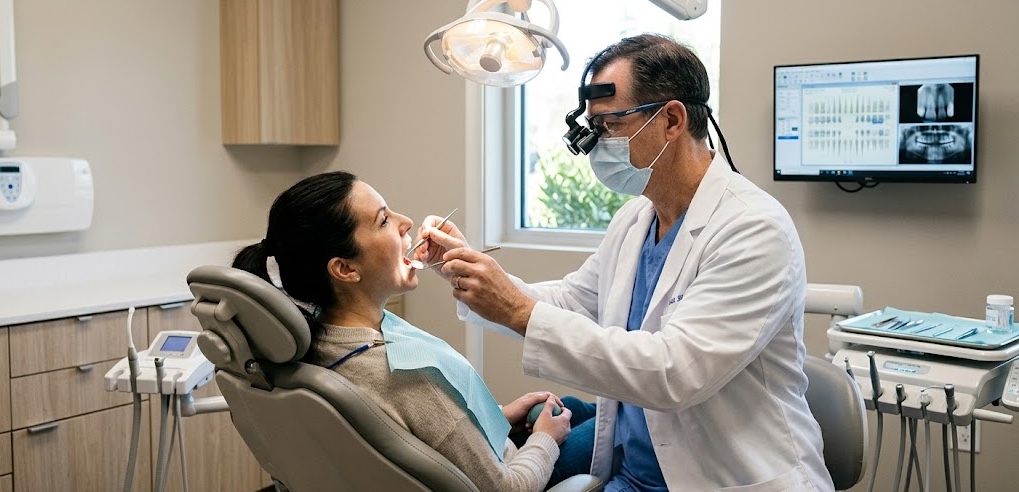
Deep cleanings are not supposed to be a painful experience. Most patients describe a deep cleaning as more involved than a routine cleaning, but still very manageable when the area is numbed properly and the procedure is explained clearly. The goal is not to “push through pain.” The goal is to remove bacteria and tartar below the gumline while keeping you as comfortable as possible.
At 2nd Ave Family Dental, we help patients in Durango, CO understand what a deep cleaning actually feels like, why it may be recommended, and what can be done to reduce sensitivity before, during, and after the appointment. Many people hear the phrase “deep cleaning” and assume it will be harsh or overwhelming. In reality, a comfort-focused approach, local anesthetic, and clear communication can make the experience much easier than expected.
This guide explains what a deep cleaning is, why some patients need one, what parts of treatment can feel sensitive, how pain control works, what recovery is usually like, and when to contact the office if something does not feel normal afterward.
Explore related pages: Dental Cleanings & Exams, General & Family Dentistry, Our Dental Services, Contact 2nd Ave Family Dental.
What Is a Deep Cleaning?
A deep cleaning is a more involved type of dental cleaning used when plaque, tartar, and bacteria have moved below the gumline and are affecting gum health. Dentists often call this treatment scaling and root planing. Scaling removes buildup from above and below the gums, while root planing smooths the root surfaces so the gums can heal more effectively.
This is different from a routine cleaning. A standard cleaning is preventive and focuses on buildup in areas that are easier to reach. A deep cleaning is recommended when there are signs of gum disease, deeper gum pockets, bleeding, or buildup below the gumline that a routine cleaning cannot fully address.
For many patients in Durango, CO, the need for a deep cleaning is discovered during a preventive exam. That is one reason routine dental cleanings and exams in Durango matter so much. Gum disease often starts quietly, and early treatment is usually easier than waiting until the condition becomes more advanced.
Routine cleaning: Preventive care for plaque and tartar in more accessible areas.
Deep cleaning: A periodontal treatment aimed at buildup and bacteria below the gumline.
Main goal: Reduce inflammation, improve gum health, and help prevent further periodontal damage.
Why it matters: It can help protect teeth from worsening gum disease and future bone loss.
So, Are Deep Cleanings Painful?
The most accurate answer is this: a deep cleaning can cause temporary sensitivity and pressure, but it should not feel sharply painful throughout the procedure. Before treatment begins, the area is commonly numbed so deeper cleaning can be completed more comfortably. Patients often notice pressure, vibration, scraping sensations, or water movement more than true pain.
Comfort can still vary from person to person. Gums that are already inflamed, swollen, or infected are naturally more tender before treatment starts. Patients with gum recession or exposed root surfaces may also be more sensitive. Anxiety can make normal treatment sensations feel stronger too, especially when someone is already worried about what the appointment will feel like.
At 2nd Ave Family Dental, comfort-focused communication matters. Patients often do better when they understand what is happening, how long it will take, and what sensations are normal. That is especially helpful for families, retirees, and working professionals in Durango who may have delayed care because they were nervous about pain.
YouTube: What to Expect From a Deep Cleaning
This video fits well here because it gives patients a realistic overview of the procedure, how the appointment is typically handled, and what recovery may feel like afterward. It helps set expectations before getting into the details of pain control.
For patients in Durango, CO who have never had scaling and root planing before, this kind of overview can make the process feel far less intimidating and much more understandable.
What Deep Cleaning Usually Feels Like
Numbing at the start
You may feel a brief pinch or pressure as the area is anesthetized, but this part is usually quick.
Pressure during cleaning
Many patients notice pressure, vibration, or scraping sensations rather than pain once the gums are numb.
Water and suction
The process can feel messy or unusual in the mouth, especially if you are used only to routine cleanings.
Mild tenderness afterward
The gums can feel sore, puffy, or sensitive for a few days as healing begins.
Cold sensitivity
Teeth may feel more sensitive to cold temporarily, especially if tartar had been covering root surfaces.
The practical takeaway
Most patients do not describe a deep cleaning as pleasant, but they also do not describe it as unbearable when comfort measures are used properly.
Patients searching for phrases like “does scaling and root planing hurt,” “pain during deep cleaning,” “deep cleaning numbing shots,” or “comfortable deep cleaning in Durango, CO” are often relieved to learn that the treatment is designed to be tolerable and that pain control is part of the process.
Why a Deep Cleaning Can Feel More Sensitive Than a Regular Cleaning
A deep cleaning works in areas that are already inflamed. When the gums are swollen, bleeding easily, or separating from the teeth, those tissues are naturally more tender. The treatment also reaches farther below the gumline than a routine cleaning, which is why numbness is often recommended.
Another reason some patients notice more sensitivity is that tartar can sit on root surfaces for a long time. Once those surfaces are cleaned, temperature changes and everyday chewing can feel different for a short period. This does not mean the treatment harmed the tooth. It usually means the area is healing and adjusting after the buildup is removed.
In many cases, the discomfort people worry about most is actually linked to the gum disease that made treatment necessary in the first place. Treating the infection and inflammation is often the step that helps patients feel better over time.
Instagram Reel: What Dental Scaling Removes
This reel fits well here because it gives readers a quick visual explanation of what scaling targets and why a deep cleaning is more than a basic polish. It helps explain why the treatment can feel different from a routine cleaning while still serving an important role in protecting gum health.
For patients in Durango who want a plain-English view of what happens below the gumline, this kind of visual explanation can make the procedure feel much less intimidating.
How Pain Control Works During a Deep Cleaning
Comfort during scaling and root planing usually starts with local anesthetic. This numbs the treatment area so deeper cleaning can be completed without sharp pain. Depending on the extent of treatment, one side or one section of the mouth may be treated at a time. Breaking the process into smaller appointments can make treatment easier for patients who are nervous or who need more extensive periodontal care.
Communication also matters. Patients should feel comfortable letting the dental team know if they feel something sharp, if they need a short break, or if they are especially anxious. Good dentistry is not about asking people to tolerate avoidable pain. It is about adjusting the experience so necessary treatment stays manageable.
| Comfort factor | How it helps | What patients often notice | Why it matters |
|---|---|---|---|
| Local anesthetic | Numbs the treatment area | Less sharp sensation during deep cleaning | Makes below-the-gum cleaning more tolerable |
| Smaller treatment areas | Limits how much is treated at once | Shorter, more manageable visits | Helpful for anxious or sensitive patients |
| Clear communication | Lets the team respond in real time | Patients feel more in control | Reduces fear and helps prevent avoidable discomfort |
| Post-op guidance | Supports healing after treatment | Less confusion about what is normal | Improves recovery and peace of mind |
For patients with significant dental anxiety, it may also be worth asking whether options like oral sedation or IV sedation are appropriate. These services can be helpful when fear is one of the biggest barriers to getting needed treatment.
YouTube: Is Deep Cleaning Painful?
This video works naturally after the pain-control section because it directly addresses the question many patients are asking: what does the treatment actually feel like, and how is discomfort managed? It reinforces the idea that deep cleanings should be handled with comfort in mind.
For local patients comparing providers or trying to decide whether to move forward with periodontal treatment in Durango, this kind of explanation can make the next step feel more approachable.
What Happens After a Deep Cleaning?
After a deep cleaning, it is normal to have some soreness or tenderness as the numbness wears off. The gums may feel sensitive for a few days, and some patients notice mild bleeding, especially early on. Cold sensitivity can also happen temporarily, particularly around the roots of the teeth.
Most recovery is manageable with a soft diet for a short time, gentle brushing, and following the aftercare instructions from the office. Many patients return to normal routines quickly, even if the gums still feel a little tender for several days.
Healing time can vary depending on how inflamed the gums were beforehand, how much buildup was removed, and whether the patient already had recession or deeper pockets. In general, the first several days matter most for comfort, while the longer healing process involves the gums gradually calming down and responding to the reduced bacterial load.
Instagram Post: Deep Cleaning and a Healthier Smile
This post fits well after the discussion of treatment and healing because it reinforces the purpose of deep cleaning. The goal is not just to remove buildup, but to improve oral health by addressing harmful deposits that brushing and flossing cannot remove once tartar has formed.
For Durango, CO patients who are deciding whether a deep cleaning is worth it, this is an important reminder that the treatment is about protecting the gums and supporting tissues, not just making teeth look cleaner.
How Long Does the Soreness Last?
For many patients, the most noticeable tenderness improves within a few days. Some mild sensitivity can linger a bit longer, especially if the gums were significantly inflamed beforehand or if root surfaces were exposed. The good news is that this type of soreness is usually temporary and tends to improve as healing continues.
It helps to remember that deep cleaning soreness is not the same thing as ongoing disease. In many cases, short-term tenderness is part of the transition from inflamed tissues toward healthier gums. That is very different from leaving periodontal disease untreated and allowing deeper damage to continue.
If discomfort becomes severe, keeps worsening, or does not seem to improve, patients should contact the office. That is especially true if there is swelling, significant bleeding, or anything that feels unusual rather than gradually better.
YouTube: Tooth Pain After a Deep Cleaning
This video belongs here because it addresses the recovery concerns patients often have once the appointment is over. It helps explain which post-treatment sensations are common, what can make teeth feel sensitive afterward, and when it is smart to check in with the dentist.
For patients in Durango who want more reassurance about what healing should feel like, this video adds helpful context without replacing personalized follow-up care.
Common Patient Concerns About Deep Cleaning Pain
“Will I feel the scraping?”
You may feel movement and pressure, but the goal of numbing is to reduce sharp pain.
“Do the numbing shots hurt?”
There can be a brief pinch or pressure, but it is usually easier than patients expect.
“Will I be sore afterward?”
Some tenderness is common, especially for a few days, but it is usually manageable.
“Can I go back to work?”
Many patients can, though the mouth may stay numb for a while and certain foods may be less comfortable.
“What if I have dental anxiety?”
Let the team know ahead of time so the visit can be paced and planned with comfort in mind.
“Is avoiding treatment better than dealing with temporary discomfort?”
Usually not. Untreated gum disease often leads to bigger problems later, including deeper infection, recession, bone loss, and more complex treatment needs.
When a Deep Cleaning Is Often Recommended
A deep cleaning is typically recommended when there are signs that a routine cleaning is not enough. This can include bleeding gums, tartar below the gumline, periodontal pockets, gum recession, and evidence that gum disease is progressing. Some patients also learn they need a deep cleaning after years of avoiding dental care because the buildup has become too extensive for a standard cleaning alone.
At 2nd Ave Family Dental’s general and family dentistry office, the emphasis is on clear explanation, not fear-based language. Patients deserve to understand what the treatment is for, what it may feel like, and what the alternatives are if periodontal disease is left untreated.
Gums bleed easily
Frequent bleeding can be an early sign that inflammation is active below the surface.
Tartar has built up under the gums
Once deposits harden below the gumline, home care alone cannot remove them.
Gum pockets are deeper than normal
Deeper pockets give bacteria more space to remain active around the roots of the teeth.
There are signs of periodontal disease
The goal becomes controlling infection and protecting the support around the teeth.
Routine cleaning alone is no longer enough
A deeper approach may be the best next step to improve gum health and reduce further damage.
What You Can Do to Make a Deep Cleaning Easier
Patients often feel more comfortable when they know they can take simple steps before the appointment. Get a good night of sleep if possible. Eat beforehand unless the office gives different instructions. Let the team know if you have dental anxiety, a strong gag reflex, or a history of trouble getting numb. Tell them if your teeth are already very sensitive to cold or touch.
During the visit, it is okay to ask questions. It is okay to ask for a pause. It is okay to say that you feel something sharp. Comfortable dental care in Durango should involve teamwork, not silence.
Speak up about anxiety early so the visit can be planned around your comfort needs.
Ask how the appointment will be divided if more than one section of the mouth needs treatment.
Follow aftercare instructions carefully to reduce irritation and support healing.
Keep follow-up visits because monitoring the gums afterward matters too.
Instagram Reel: Healing Tips After a Deep Cleaning
This reel fits naturally here because it gives patients practical ideas for the recovery period. It reinforces the message that some soreness and sensitivity can be normal, while also helping patients focus on simple habits that support healing after treatment.
For busy patients in Durango, CO, recovery guidance like this can help make the days after treatment feel more predictable and less stressful.
Why Treating Gum Disease Matters More Than Avoiding Temporary Discomfort
One of the biggest reasons patients delay deep cleanings is fear of pain. That fear is understandable, but untreated periodontal disease usually creates larger problems than the temporary soreness that can follow treatment. Left alone, gum disease can lead to deeper pockets, more bleeding, more recession, chronic inflammation, bad breath, and loss of the bone supporting the teeth.
That is why a deep cleaning is often best understood as an early intervention, not a punishment. It is a treatment designed to help you avoid more serious problems later. For many people in Durango, that means protecting their natural teeth and reducing the chance of needing more involved restorative care in the future.
If you are searching for answers about deep cleaning pain in Durango, scaling and root planing near downtown Durango, or comfortable gum disease treatment in Durango, CO, the real question is often not whether the visit will feel perfect. It is whether timely treatment can help you prevent bigger and more uncomfortable problems later. In many cases, the answer is yes.
Durango, CO FAQ: What Local Patients Ask About Deep Cleaning Pain
Is a deep cleaning more painful than a regular cleaning?
Usually yes, in the sense that it can cause more tenderness and sensitivity. But it should still be manageable, especially when the area is numbed properly.
Do they numb you for a deep cleaning?
Often, yes. Local anesthetic is commonly used so treatment below the gumline is more comfortable.
How long does soreness last after a deep cleaning?
Many patients notice the most tenderness for a few days. Mild sensitivity can sometimes last longer, depending on the condition of the gums beforehand.
Can I eat after a deep cleaning?
Usually yes, but softer foods are often more comfortable at first. It is also smart to wait until numbness wears off before chewing normally.
Is a deep cleaning worth it if I am scared of pain?
For patients with gum disease, it often is. Treating periodontal problems earlier can help prevent more serious damage later.
Can deep cleaning help stop bleeding gums?
It can help when bleeding is related to plaque, tartar, and gum inflammation below the gumline. A proper dental exam is needed to confirm the cause.
What if I am anxious about my deep cleaning appointment in Durango, CO?
Tell the dental team ahead of time. Anxiety is common, and planning for comfort can make the appointment feel much easier.
Key Takeaways About Deep Cleaning Pain
Deep cleanings are not meant to be intensely painful. Pressure and temporary sensitivity are more common than severe pain.
Numbing is a major part of comfort. Local anesthetic helps make below-the-gum treatment much easier to tolerate.
Some soreness after treatment is normal. Mild tenderness and cold sensitivity often improve over the next several days.
Untreated gum disease is usually the bigger problem. Temporary discomfort is often preferable to allowing periodontal damage to continue.
Comfort-focused dental care in Durango matters. Good communication, proper pain control, and clear aftercare can make the experience much more manageable.
Need a Comfortable Deep Cleaning Consultation in Durango, CO?
If your gums bleed, you have been told you need scaling and root planing, or you are worried that a deep cleaning will hurt, 2nd Ave Family Dental is here to help. Our team works with patients across Durango, CO to explain periodontal treatment clearly, answer questions honestly, and make care feel as calm and comfortable as possible.
Whether you need a preventive evaluation, a deeper gum assessment, or help understanding your treatment options, we are committed to patient-centered dentistry that respects your comfort and your goals.
Schedule an AppointmentMedically Reviewed by Dr. Taylor M. Clark, Durango Dentist
This article was medically reviewed by Dr. Taylor M. Clark, lead dentist at 2nd Avenue Dental in Durango, CO. Dr. Clark is known for combining modern dental care with a patient-centered philosophy that emphasizes prevention, clear communication, and comfortable treatment for individuals and families throughout the Durango community. To learn more about his background, leadership, and commitment to high-quality local care, visit Dr. Taylor M. Clark, Durango Dentist. If you have questions about deep cleaning discomfort, gum disease treatment, or the right next step for your oral health, contact 2nd Ave Family Dental to schedule an appointment for personalized guidance.