
Can Sedation Dentistry Help Patients with Gag Reflex
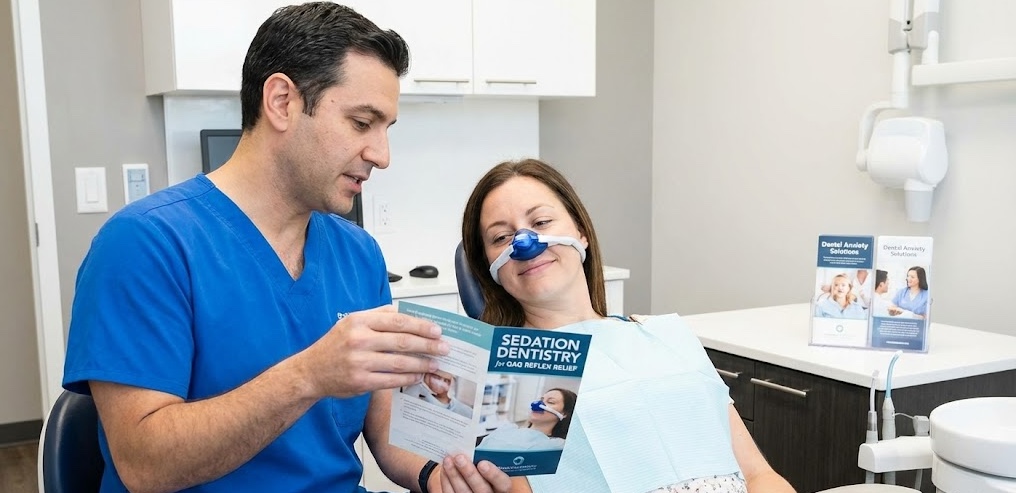
If you have a strong gag reflex, you are not being “dramatic.” For many people, even a routine dental cleaning, X-rays, or work near the back teeth can trigger retching, anxiety, or the feeling that you cannot breathe. That can make dental visits stressful and can lead to delaying care.
At 2nd Ave Family Dental (2AVD) in Durango, CO, we treat this as a real comfort and access-to-care issue. A sensitive gag reflex can be caused by anatomy, nasal congestion, reflux, anxiety, past experiences, or simply an overactive protective reflex. The good news is that dentistry has multiple ways to help—starting with simple comfort techniques, and when appropriate, sedation options that reduce sensitivity and help your body stay calm.
This guide explains why gagging happens, what we can do to reduce it, and how sedation dentistry may help you complete treatment comfortably and safely. You will also find practical tips, a plain-English comparison table, and a Durango-focused FAQ based on questions we hear from local families, working professionals, and retirees.
Explore related pages: Oral Sedation in Durango, CO, IV Sedation in Durango, CO, Dental Cleanings and Exams, Restorative Dentistry, Emergency Dentist in Durango, Contact.
Quick note on accuracy: This article shares general education. Your safest plan depends on your health history, medications, and the type of dentistry you need. We will review that with you before recommending any sedation.
The Short Answer: Yes—Sedation Dentistry Can Reduce Gag Reflex for Many Patients
Sedation does not “turn off” your gag reflex permanently, but it can reduce the intensity of the reflex and lower the anxiety-sensitivity loop that makes gagging worse. For many patients, that is enough to tolerate:
Dental cleanings and exams (especially if you gag during suction or polishing)
Dental X-rays (including those difficult back-tooth images)
Fillings, crowns, and bridges near the back teeth
Root canal treatment when access and isolation are needed
Impressions or digital scans for restorations or aligners
At 2AVD in Durango, CO, we often start with the least invasive solutions first—comfort positioning, breathing techniques, a gentler approach, topical numbing, and a step-by-step plan. When gagging remains a barrier, we discuss sedation options like nitrous oxide, oral sedation, or IV sedation depending on your needs.
Why Some People Gag at the Dentist (And Why It Can Feel Worse Than You Expect)
Gagging is a normal protective reflex. Your body is trying to prevent choking by reacting when something touches the back of the tongue, soft palate, throat area, or sometimes even the inner cheeks. For some patients, that reflex is simply more sensitive.
Common triggers we see in Durango patients
Anxiety and anticipation
Worry can tighten muscles, change breathing, and heighten sensitivity. If you expect to gag, your brain stays on “high alert,” and the reflex can fire faster.
Nasal congestion or mouth-breathing
Seasonal allergies, chronic congestion, or a cold can make nose breathing harder. If you feel you cannot breathe well, gagging becomes more likely.
Reflux and throat irritation
Acid reflux can irritate tissues and increase sensitivity. If you notice frequent heartburn or morning throat irritation, tell us.
Strong tongue reflex or anatomy
Some people have a naturally more reactive tongue and soft palate. This can be especially noticeable during X-rays, impressions, and work on back molars.
Past experiences
A stressful dental appointment (or even a medical experience like gagging during a throat swab) can “train” your nervous system to react earlier next time.
Because multiple factors can stack together, the best approach is usually layered: comfort techniques + the right tools + (when needed) sedation dentistry.
Watch: Sedation Secrets — How Modern Dentistry Tackles the Gag Reflex
This video explains why gagging can intensify during dental treatment and how sedation and comfort strategies may help some patients tolerate care more easily.
As you watch, notice the theme: gag reflex often improves when your body feels safer, calmer, and less “sensory overloaded.” That is the same principle behind many in-office techniques we use at 2AVD in Durango, CO.
What We Try First (Even Before Sedation): Small Changes That Make a Big Difference
Not every gag reflex requires sedation. Many patients do well with targeted adjustments—especially for cleanings, X-rays, or shorter procedures.
Nose breathing + pacing
Slow, steady nose breathing helps calm the reflex. We pause when needed, use short “micro-breaks,” and keep you in control.
Positioning and suction adjustments
Minor positioning changes, smaller instruments when possible, and careful suction placement can reduce the trigger sensation.
Topical numbing in the right places
Topical anesthetic can help reduce sensitivity for procedures that touch gag-trigger areas. It is not always necessary, but it can be very helpful in the right scenario.
Distraction and comfort cues
Many patients do better with a simple signal (“raise your hand”), clear step-by-step narration, and a predictable plan.
If these strategies are not enough, sedation dentistry becomes a very reasonable next step—especially when gagging is preventing necessary restorative care like fillings or crowns.
Watch: Sedation Can Help a Sensitive Gag Reflex Feel More Manageable
This reel highlights a common reality: sedation can help patients who have a sensitive gag reflex, difficulty getting numb, or trouble sitting still—making treatment smoother and more comfortable.
If you have avoided care because you worry you will gag or “fail” the appointment, you are exactly the kind of patient we want to help. In Durango, CO, we see this often—and we plan for it without judgment.
How Sedation Dentistry Helps with Gag Reflex
Think of gag reflex as a “sensitivity alarm.” When the alarm is too sensitive, even normal dental sensations can trigger it. Sedation can help by:
Lowering anxiety so your body is less reactive to sensation
Reducing muscle tension in the jaw, tongue, and throat area
Decreasing sensory “sharpness” so suction, instruments, and water spray feel less intense
Helping you tolerate longer appointments with fewer breaks (especially helpful for restorative dentistry)
Importantly, sedation is a tool—not a one-size-fits-all answer. The right level depends on the procedure, your health history, and how severe your gag reflex is. Our goal is always the least medication needed to get you comfortably through treatment.
Watch: Nitrous Oxide Sedation (Laughing Gas) — What It Feels Like and Why It Helps Some “Gaggers”
Nitrous oxide is one of the most common comfort options in dentistry. This video provides a patient-friendly overview of nitrous oxide sedation and what you can expect.
For many Durango, CO patients with a moderate gag reflex, nitrous oxide is a great starting point because it works quickly and wears off quickly. If you need a higher level of support, we can discuss oral sedation or IV sedation based on your needs.
Sedation Options for Gag Reflex at 2AVD in Durango, CO
Nitrous oxide (laughing gas)
Nitrous oxide is inhaled through a small nose mask. It helps many patients feel calmer and less sensitive to triggers. It is often used for preventive care (like cleanings) and shorter restorative visits, and it can be a strong option if your main barrier is gagging during suction, polishing, or work near the back teeth.
Oral sedation
Oral sedation involves a prescribed medication taken by mouth. It is commonly used for patients who need a deeper level of relaxation than nitrous oxide provides. Oral sedation can be especially helpful if anxiety strongly amplifies your gag reflex. Because it can linger, you will typically need a driver and a rest day plan.
IV sedation
IV sedation allows the sedation level to be more precisely controlled during treatment. It is often considered when a patient has a severe gag reflex, needs more extensive work, or wants to complete multiple procedures in fewer visits. Many patients remember very little of the appointment, and the experience can feel much easier.
If you want to learn more about comfort-focused care, start here: Oral Sedation in Durango and IV Sedation in Durango.
Watch: IV Sedation Can Help Patients with a Sensitive Gag Reflex Stay Relaxed
This post explains how IV sedation can help patients with a sensitive gag reflex stay relaxed and still, making dental care easier and more efficient.
If you have been putting off crowns, fillings, or treatment for tooth pain because gagging makes you panic, sedation can be the difference between “I cannot do this” and “That was surprisingly manageable.”
Which Sedation Option Is Best for Gag Reflex (Plain-English Comparison)
This table is a general guide. The safest recommendation depends on your health history, medications, and the type of treatment planned.
| Sedation option | Best fit for gag reflex when… | What you may notice | What you should plan for |
|---|---|---|---|
| Nitrous oxide | Gagging is moderate and mostly triggered by sensation + nerves (cleanings, X-rays, shorter procedures) | Calmer mood, less “sensory sharpness,” easier breathing rhythm for many patients | Usually minimal downtime; you still want a calm day if you feel lightheaded |
| Oral sedation | Anxiety strongly amplifies gagging or you struggle to tolerate longer visits | Deeper relaxation; you may feel sleepy or foggy afterward | Driver required; plan to rest and avoid major responsibilities the rest of the day |
| IV sedation | Gag reflex is severe or you need more extensive restorative dentistry with better comfort control | Very relaxed; many patients remember little of treatment | Driver required; rest day; avoid risky activities until fully clear |
If you are not sure where you fit, that is normal. A short consultation at our Durango, CO office can clarify what level of support makes sense for you.
Watch: IV Sedation for Dental Work (What It Is and When It’s Used)
This video explains IV sedation in plain terms and why it may be recommended for patients who need deeper relaxation during dental treatment.
If your gag reflex makes you fear you cannot complete treatment, IV sedation may be worth discussing—especially if you want to complete multiple procedures in fewer visits at 2AVD in Durango, CO.
Procedures Where a Strong Gag Reflex Commonly Gets in the Way
We see gag reflex challenges most often during procedures that involve the back of the mouth, longer time with instruments in place, or sensitivity to suction. Examples include:
Dental X-rays: especially back-tooth films that touch the floor of the mouth or soft tissues
Cleanings: suction, polishing, and water spray can trigger gagging for some patients
Fillings and crowns: isolation and access near molars can be difficult without comfort strategies
Root canals: longer appointments and rubber dam isolation can be uncomfortable if gag reflex is severe
Impressions/scans: some patients gag with trays or even with scanning if tongue reflex is strong
When gagging prevents you from receiving care, small problems can become big problems—like a small cavity turning into tooth pain that requires an emergency dentist visit in Durango. Comfort planning now can help you avoid urgent situations later.
Watch: Conscious Sedation Can Help Prevent Gag Reflex Reactions
This reel explains that conscious sedation (like nitrous oxide or oral sedation) can be very helpful in preventing gag reflex reactions during dental treatment.
Many patients are relieved to learn that they do not need to “push through” gagging. A calm, planned approach often changes everything.
Is Sedation Dentistry Safe If I Have a Strong Gag Reflex?
For appropriately screened patients, dental sedation is commonly used and can be a safe way to improve comfort and access to care. The most important step is matching the sedation option to your medical history and the procedure.
When we need extra details before recommending sedation
Please tell our team if any of the following apply:
Heart conditions, breathing conditions, or sleep apnea symptoms (snoring, daytime sleepiness)
Pregnancy or nursing
Medication list (including anxiety meds, sleep meds, pain meds, and supplements)
History of adverse reactions to sedatives or anesthesia
Significant reflux symptoms or frequent nausea
We will review your health history and talk through a plan that prioritizes safety and comfort. If sedation is not the right fit, we will still offer alternatives to help manage gag reflex and reduce stress.
What Does Sedation for Gag Reflex Cost in Durango, CO?
Costs vary based on the type of sedation used, how long your appointment is, and whether sedation is being used for a single procedure or to complete multiple treatments efficiently. In general, deeper levels of sedation typically involve more planning and monitoring.
Because every treatment plan is different, the most accurate way to understand costs is a consultation. Our team can also help you understand what your insurance may cover and what financing options are available, if needed.
If you are exploring next steps, these pages can help you compare options: Oral Sedation and IV Sedation.
Key Takeaways for Patients with a Sensitive Gag Reflex
You are not alone. A strong gag reflex is common and treatable with the right plan.
We usually start simple. Breathing, pacing, topical numbing, and technique changes often help.
Sedation can reduce sensitivity. Nitrous, oral sedation, or IV sedation may make treatment feel manageable.
Comfort can prevent emergencies. Completing routine care can reduce the chance of needing an emergency dentist in Durango later.
Durango, CO FAQ: Sedation Dentistry for Gag Reflex
Can you help if I gag during dental X-rays?
Yes. X-rays are a very common trigger. We can try smaller or repositioned sensors, pacing and breathing cues, and comfort adjustments. If gagging is severe, sedation may be considered depending on what imaging is needed and how your body responds.
Will nitrous oxide help me stop gagging?
Nitrous oxide helps many patients feel calmer and less reactive, which often reduces gagging. It tends to work best for mild to moderate gag reflex, especially when anxiety and anticipation are major triggers.
I love the outdoor lifestyle in Durango—can I drive or hike after sedation?
If you receive oral sedation or IV sedation, you should plan on having a driver and taking it easy for the rest of the day. For nitrous oxide, many patients feel normal quickly, but you should only drive when you feel fully steady and alert and after your dentist confirms you are good to go.
Can sedation help me get a crown if I gag when you work on my back teeth?
Often, yes. Crowns and other restorative treatments near the molars can be tough with a strong gag reflex. Sedation, paired with a careful technique plan, can make this treatment much more tolerable. Learn more about the types of care we provide through Restorative Dentistry in Durango.
What if I have reflux or nausea—does that change the plan?
It can. Reflux can increase throat sensitivity and nausea. Please tell us your symptoms and any medications you take. We can adjust scheduling, positioning, and comfort strategies, and we may modify sedation recommendations based on what is safest for you.
Can sedation help me finally catch up on overdue dental work?
For many patients, yes. If anxiety and gag reflex have kept you from care, sedation can make it possible to complete multiple treatments in fewer visits. That can be especially helpful for busy working professionals, parents, and retirees in Durango, CO who want a clear, efficient plan.
Ready for a Calm Visit (Even If You Usually Gag)?
If a sensitive gag reflex has made dental care stressful, we can help. Our team at 2nd Ave Family Dental (2AVD) in Durango, CO will listen first, then build a step-by-step comfort plan—whether that means technique changes, nitrous oxide, oral sedation, or IV sedation.
If you are dealing with tooth pain, broken teeth, or delayed treatment, do not wait until it becomes an urgent problem. We offer supportive care and clear options—including help from an emergency dentist in Durango when needed.
Schedule a Sedation ConsultationMedically Reviewed by Dr. Taylor M. Clark, Durango Dentist
This article was medically reviewed by Dr. Taylor M. Clark, lead dentist at 2nd Avenue Dental in Durango, CO. Dr. Clark is known for patient-centered care, clear communication, and comfort-focused treatment planning, including sedation options when appropriate for patients with anxiety or a sensitive gag reflex. To learn more about Dr. Clark’s background and approach to care, visit Dr. Taylor M. Clark, Durango Dentist. If you would like personalized guidance on sedation dentistry for gag reflex, contact our office to schedule a visit.