
What Summer Drinks Are Better for Your Family’s Teeth?
Water is usually the easiest tooth-friendlier summer drink, especially between meals. Sugary and acidic drinks are less about one single treat and more about how often teeth are exposed throughout the day.
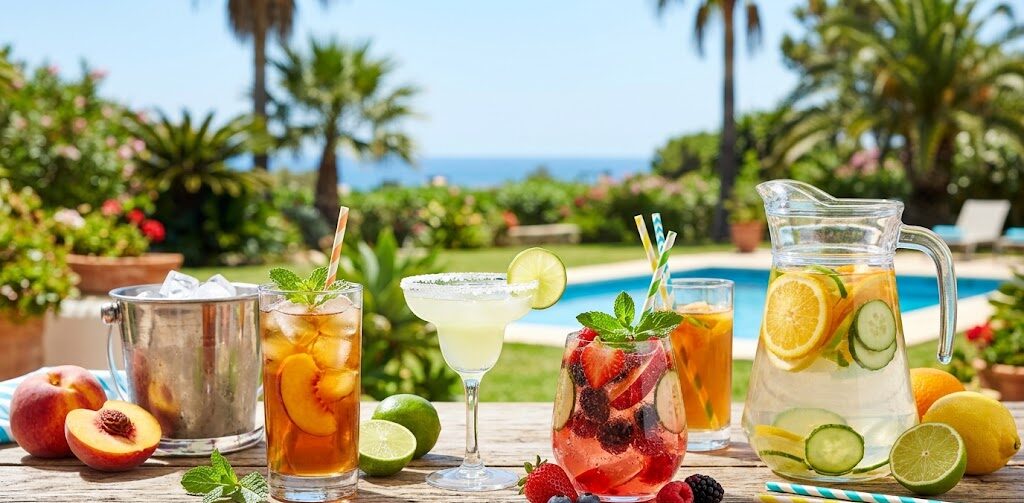
Here is the practical answer: the best everyday summer drink for teeth is usually water. Other drinks can fit into family life, but sugar, acid, and sipping frequency matter. One treat drink with a meal is very different from carrying a sweet or acidic drink around all afternoon.
Here is exactly how I talk about summer drinks better for teeth with Durango families: keep water as the default, pay attention to how often sugar hits the teeth, use routines that kids can actually follow, and schedule preventive care when sensitivity, cavities, or brushing struggles show up. No guilt. Your family is allowed to enjoy summer.
- What summer drinks are better for teeth? Water is usually the best everyday choice, especially between meals and outdoor activities.
- Are sugary drinks always forbidden? No. Frequency matters. Sipping a sugary drink over hours is harder on teeth than having one with a meal.
- What about sports drinks? They can be sugary and acidic, so they are not ideal as an all-day default unless there is a specific hydration need.
- Do kids still need brushing if they mostly drink water? Yes. Water helps, but brushing, flossing, fluoride, and cleanings still matter.
- When should sensitivity be checked? If cold drinks hurt, chewing changes, or cavities are a concern, schedule a dental cleaning and exam.
Why Do Drinks Matter for Teeth?
Drinks matter because teeth are exposed every time your child sips. The ADA explains that bacteria in plaque produce acids when you eat or drink sugars, and those acids can attack tooth enamel. Over time, that process can contribute to cavities. That is the science. The parenting version is simpler: teeth like breaks.
Summer can make those breaks harder. Kids graze. Water bottles get swapped for juice boxes. Sports drinks appear after games. Lemonade shows up at every cookout. Adults are not immune either. I have seen plenty of grown-ups in Durango sip sweet coffee drinks, sparkling drinks, or iced tea all afternoon and wonder why their teeth feel sensitive.
The goal is not to ban joy. It is to understand exposure. A sweet drink with lunch gives teeth a defined moment. A sweet drink sipped from 10 a.m. to 2 p.m. keeps restarting the acid conversation. Nobody needs a spreadsheet. Just keep water as the default between treats.
Water
The best everyday default, especially between meals, hikes, camps, and river days.
Milk With Meals
Plain milk can fit well with meals for many families, depending on dietary needs.
Sugary Drinks
Juice, soda, lemonade, and sports drinks are better treated as occasional drinks, not all-day sippers.
Acidic Drinks
Sparkling, citrus, and sour drinks may bother sensitive teeth, especially when sipped often.
If your family is working on prevention, the general and family dentistry page is a good place to start. For routine prevention, review dental cleanings and exams. For molars with deep grooves, you can also read about dental sealants.
Is Sugar Frequency More Important Than One Treat?
For most families, frequency is the more useful thing to watch. I am less worried about a kid having a lemonade at a picnic than I am about a sweet drink living in a bottle all afternoon. Teeth need time away from sugar and acid so saliva can do its quiet repair work.
Think of it like trail conditions. One muddy crossing is manageable. Walking through mud for three hours changes the whole day. Teeth respond to repeated exposure the same way. Frequent sipping gives plaque bacteria more chances to make acids that stress enamel.
So the practical tip is this: pair sweet drinks with meals or snacks, then switch back to water. If your child wants flavor, make it a moment instead of a background habit. This keeps the rule simple enough to survive actual family life.
| Drink Pattern | Tooth-Friendlier Move | Why It Helps |
|---|---|---|
| Water between meals | Keep it as the default bottle drink. | It avoids repeated sugar exposure and supports hydration. |
| Juice or lemonade | Offer with a meal instead of all-day sipping. | It limits how long teeth are exposed to sugar and acid. |
| Sports drinks | Reserve for specific needs, not casual sipping. | Many are sugary and acidic, so they can be tough on teeth when frequent. |
| Sparkling or citrus drinks | Notice sensitivity and follow with water. | Acidic drinks may bother teeth, especially if enamel is already sensitive. |
What Summer Drinks Are Better Choices?
The simplest answer is water. If your local water contains fluoride, that can add cavity-prevention benefits; the CDC explains that fluoride helps both children and adults prevent cavities by helping protect teeth from acid damage. Not every family has the same water source, so ask your dentist if you are unsure what applies to your home.
Plain milk can be a reasonable mealtime drink for many families, depending on dietary needs and age. Unsweetened options are usually easier on teeth than sweetened ones. For adults, unsweetened tea may fit better than sweet tea. For kids, the big win is not a fancy drink chart. It is a water bottle they will actually use.
If your child loves juice, try setting a clear “juice with meal” pattern. If your teen loves sports drinks, talk about using them when they actually need them rather than as a casual all-day drink. If your family enjoys lemonade, enjoy it. Then water gets the encore.
- Water is the between-meals default.
- Sweet drinks happen with a meal or snack, not as an all-day sip.
- After a sweet or acidic drink, switch back to water.
- Brush twice a day with fluoride toothpaste and clean between teeth daily.
- Ask about sealants if your child’s molars have deep grooves.
How Do You Talk With Kids About Drinks Without Making It Weird?
Keep it practical. Kids do not need a mini lecture about acid every time they reach for a drink. Try saying, “Water is for sipping. Sweet drinks are for meals.” That is short enough to remember and calm enough not to turn every choice into a battle.
For younger kids, make the water bottle easy. Put it where they can reach it. Let them choose the bottle. Add ice if that helps. For older kids and teens, connect the habit to things they care about: sports, breath, comfort, and not having a tooth get sensitive right before a trip. Teens can smell a lecture from across the Animas River, so keep it honest.
Also, model it when you can. If adults sip sweet drinks all day, kids notice. No judgment. I say this as a human who understands coffee. Just remember that small routine changes beat heroic perfection.
Make water visible.
A water bottle that is nearby gets used more than one hidden in the car.
Use a meal rule.
Sweet drinks are easier on teeth when they are part of a meal instead of a constant sip.
Avoid drink shame.
Frame it as tooth care, not a “bad kid” choice.
Watch for sensitivity.
Cold pain can be a clue that teeth need a closer look.
Keep preventive visits normal.
Routine cleanings help catch small patterns before they become bigger conversations.
When Do Sensitivity or Cavities Need an Exam?
If cold drinks hurt, if your child avoids chewing on one side, if you notice dark spots, or if a tooth has a rough area, schedule a visit. The answer may be simple, but I would rather look than have you guess. A dental cleaning and exam lets me check teeth, gums, old fillings, sealants, and home-care patterns.
If your child has deep grooves in back molars, I may talk about dental sealants. If cavities are showing up repeatedly, I want to look at the full picture: drinks, snack timing, brushing, flossing, fluoride, dry mouth, tooth shape, and family history. Prevention is personal. Your family’s plan should fit your family’s life.
You can use patient resources before the visit if logistics are the stressful part. We cater to cowards, and that includes parents who are tired of managing twelve summer calendars.
I used these official patient-education sources for general direction. Your own recommendation still depends on what I see during your exam, your goals, your health history, and what feels workable for you.