
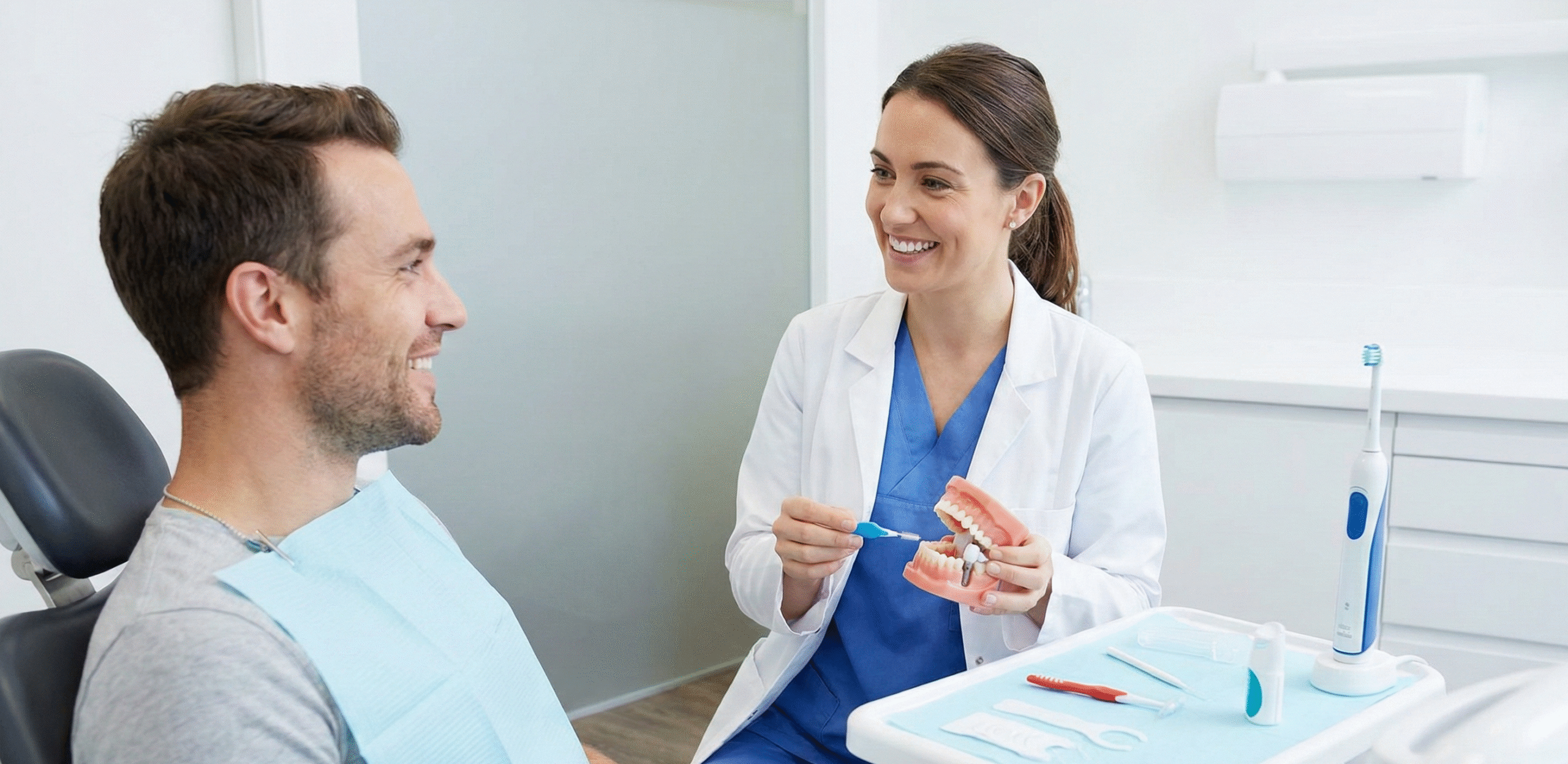
A same-day crown is a real dental crown that can often be designed, made, and placed in one visit. Instead of taking a traditional impression and waiting for a lab, digital CEREC technology can create a precise crown while you are still in the office.
At 2nd Ave Family Dental (2AVD) in Durango, CO, our goal is simple: restore your tooth in the most predictable, comfortable way possible. That means clear explanations, conservative recommendations, and modern tools that reduce friction for patients when it makes clinical sense.
If you are dealing with a cracked tooth, a large old filling, pain when chewing, or a tooth that needs protection after treatment, this guide will help you understand when same-day crowns are possible, what the process looks like, and what to expect afterward.
Explore related services: Restorative Dentistry, Dental Crowns, Composite Dental Fillings, Dental Bonding, Patient Resources, Contact.
The Short Answer: Yes, Same-Day Crowns Are Often Possible, But Not Every Tooth Is a Same-Day Case
Same-day crowns are available in many situations, especially when a tooth needs protection and the case is straightforward enough to plan and deliver a high-quality fit in one appointment.
That said, the “best” crown is the one that fits your tooth, bite, and gumline properly. If your tooth needs extra steps (like gum shaping, complex bite adjustments, a multi-unit restoration, or a lab-level shade match), a traditional lab crown may still be the most predictable option.
What same-day means
A permanent crown can often be scanned, designed, milled, and placed in one visit.
Why patients like it
Fewer appointments and, in many cases, no temporary crown to baby for weeks.
What matters most
Fit at the margin, bite comfort, and a crown that feels natural when you chew.
When it may not be same-day
Some cases still benefit from a lab crown because the situation is more complex.
Our approach
We use technology when it improves the patient experience without sacrificing quality, comfort, or long-term function.
If you want background on crowns in general, start here: What happens during a dental crown procedure. If your tooth is cracked or painful, you may also find this helpful: Tooth pain: when to wait and when to call.
Watch: CEREC Same-Day Crown Technology (What “Single Visit Dentistry” Means)
This video explains the basic idea behind CEREC: digital scanning plus in-office design and milling. It is a good overview if you have never seen how a crown can be made during your appointment.
The practical takeaway: same-day dentistry is not a shortcut. It is a workflow that can reduce delays and improve convenience, while still aiming for a precise, comfortable restoration.
What a Dental Crown Is – And Why Your Dentist Might Recommend One
A dental crown is a protective “cap” that covers a tooth when the tooth is too compromised for a filling alone. Think of it like a helmet that wraps around the visible part of the tooth to restore strength, protect weak areas, and make chewing comfortable again.
Crowns are a common, conservative way to keep a tooth in your mouth when it has lost structure from decay, cracking, wear, or large old restorations. The goal is not just to make the tooth look better. The goal is to protect it from breaking further and to restore a stable bite.
Large cavity or large old filling: If there is not enough healthy tooth left for a filling to hold up, a crown can protect what remains.
Cracks or fractures: A crown can “brace” the tooth and reduce the risk of a crack spreading when you chew.
Tooth pain when biting: Sometimes pain is a sign the tooth is structurally compromised, even if you cannot see it easily.
After root canal treatment: Many teeth need extra protection afterward, especially back teeth that handle heavy chewing forces.
If you are deciding between a filling and a crown, this guide can help you think through it: Do I need a root canal or a filling. And if you are researching restorative options broadly, here is the hub: Restorative Dentistry.
Watch: Same-Day Crown Workflow (Scan to Placement in One Appointment)
This reel shows a real-world look at the same-day crown process in a clinic setting. If you are the kind of person who feels calmer when you know the steps ahead of time, it is a helpful watch.
One thing patients often appreciate: when a same-day crown is appropriate, you can often avoid the “temporary crown phase” and the extra visit that usually comes with it.
How Same-Day CEREC Crowns Work (Plain English, No Hype)
Traditional crowns often require two visits: one to prepare the tooth and take an impression or scan, then a second visit to seat the finished crown after a lab makes it. Same-day CEREC crowns use a digital workflow that can sometimes complete those steps in one appointment.
Here is the important point: both types of crowns are meant to do the same job, which is protecting the tooth and restoring your bite. The difference is mainly how the crown is designed and manufactured, and how many visits are required.
Exam and a clear plan
We confirm what the tooth needs and whether a crown is the most conservative long-term option for your situation.
Numbing for comfort, then careful preparation
Local anesthetic helps you stay comfortable while the tooth is shaped so the crown can fit securely.
Digital scanning (instead of a traditional impression)
A digital scan captures the tooth, nearby teeth, and your bite so the crown can be designed to fit naturally.
Design and milling in the office
The crown is designed digitally and milled from a ceramic block, then refined and prepared for placement.
Try-in, bite check, and placement
We verify fit and bite comfort, then bond or cement the crown so it feels stable and natural when you chew.
If you have ever had a crown that felt “high” or uncomfortable, you already know why the bite check matters. A crown should not feel like a speed bump. It should feel like part of your tooth.
Want a full overview of what crown appointments usually look like? Read our crown procedure guide.
Quick Guide: Same-Day Crowns vs Traditional Crowns vs Other Fixes
This table helps you compare options in plain terms. The “right” choice depends on how much tooth structure is missing, where the tooth is in your mouth, how strong your bite is, and what the tooth is asking for long-term.
| Option | Best for | Main tradeoff | Often paired with |
|---|---|---|---|
| Same-day CEREC crown | Protecting a weakened tooth when a one-visit workflow is clinically appropriate | Not every case qualifies; sometimes a lab crown is a better fit | Exam, imaging, bite check, home care guidance |
| Traditional lab crown | Complex cases, challenging bite situations, or cases needing lab-level customization | Usually requires two visits and a temporary crown | Temporary crown care, final seating visit |
| Composite filling | Small to moderate decay or minor damage when enough tooth structure remains | Not ideal when the tooth is too weakened or missing too much structure | Routine cleanings, occasional replacement over time |
| Bonding or minor reshaping | Small chips, minor cosmetic fixes, tiny gaps, edge repair | Does not reinforce a structurally compromised tooth the way a crown can | Polishing at exams, stain management |
If you want to explore restorative options in more detail, visit: Restorative Dentistry. If you suspect you may only need a filling, this may help: Composite Dental Fillings.
When Same-Day Crowns Are Often a Great Fit
Many same-day crown cases are the “classic” crown situations: a tooth that needs protection, a clear plan, and enough stability to create a precise fit without extra steps. If you want a simple mental filter, here it is: same-day crowns are usually easiest when the tooth can be prepared cleanly and the surrounding gums and bite allow a predictable margin and seating.
A cracked cusp or fractured edge: The tooth may look fine at a glance, but chewing forces can continue to split weak areas.
A large old filling that is breaking down: When a filling is too big, the remaining tooth walls can be at risk for fracture.
Wear or damage that has reduced chewing strength: If you avoid chewing on that side, you may be protecting a tooth that needs reinforcement.
A tooth that needs strong protection after treatment: Some teeth benefit from the “wrap-around” strength that a crown provides.
Even when same-day is possible, we still focus on the same fundamentals: a healthy foundation, a clean margin, and bite comfort. Convenience is a benefit, but precision is the goal.
Watch: How Same-Day Dentistry Can Deliver a Beautiful Crown in One Visit
This reel highlights the appeal of same-day dentistry from a patient perspective: fewer visits, faster resolution, and a result that looks natural when the plan is done carefully.
A good crown should not draw attention to itself. The best compliment is when a patient says, “It feels like my tooth again.”
When a Same-Day Crown Might Not Be the Best Plan
Same-day crowns are a powerful tool, but they are not a magic button for every situation. In some cases, a lab-made crown is simply the safer and more predictable path.
The most important thing to understand is this: you do not want a “fast crown.” You want a crown that fits your tooth and holds up under your bite. If your tooth needs extra steps to get there, we will recommend them.
Very complex damage
If a tooth is severely broken down, it may need additional support steps before a crown is placed.
Multiple units or bridge work
Multi-tooth restorations can require a different workflow to ensure long-term fit and function.
Gumline or esthetic complexity
If the tooth is very visible and needs specialized shade and contour work, a lab may be the better match.
Bite and jaw factors
Heavy bite forces, grinding, or complex bite relationships may require extra planning for durability.
Bottom line
If a lab crown gives you a more predictable margin, bite, and long-term result, we will recommend it even if it means an extra visit.
If you grind your teeth or suspect your bite is wearing your teeth down, bring it up at your visit. Those details can change what “best” looks like for a crown plan. A good starting point is a preventive visit: Dental Cleanings and Exams.
What the Appointment Feels Like (And How We Keep It Comfortable)
Most crown appointments are more “precise” than “intense.” The goal is careful tooth preparation, accurate records, and a clean fit. Local anesthetic is used so you stay comfortable during the procedure.
It is normal to feel nervous if you have had a tough experience in the past. Our team is used to talking patients through each step in plain language and pacing the visit so you feel in control. If you need additional support, we can discuss sedation options that may be appropriate for your situation.
Explore comfort-focused options here: Oral Sedation and IV Sedation.
Pressure is common: You may feel pressure or vibration during preparation, but you should not feel sharp pain.
Tell us what you feel: If anything feels uncomfortable, speak up. Comfort is adjustable, and we take that seriously.
We explain as we go: Knowing what is happening is often the fastest way to reduce anxiety.
If your main concern is “Will this hurt,” the honest answer for most patients is no. It should feel manageable, predictable, and calm.
Watch: Placing a Same-Day Crown Step-by-Step
This video shows a same-day crown placement workflow, which helps many patients understand why the appointment is focused on careful detail rather than drama.
The key idea to remember: most of the time is spent on accuracy and fit, because that is what keeps a crown comfortable and durable.
Aftercare: What to Expect After a Same-Day Crown
Most patients return to normal routine quickly after crown placement. It is common to have mild gum tenderness around the tooth for a short time, especially if the gums were irritated during the process. Mild sensitivity can also happen, particularly to cold, and it usually settles as the tooth adapts.
What you do not want to ignore is a bite that feels “high” (like that tooth hits first), a crown that feels loose, or pain that worsens instead of improving. Those are reasons to call. Bite adjustments are often simple when addressed early.
Eating
Start with softer foods if you feel tender, then return to normal as comfort allows.
Sensitivity
Mild sensitivity can be normal. Worsening pain is a reason to reach out.
Brushing and flossing
Brush and floss like normal. Healthy gums help crowns last longer.
High bite feeling
If the tooth hits first or feels “off,” call us for a quick adjustment.
If you are managing tooth pain right now and are not sure what the tooth needs, this guide can help you decide what to do next: Tooth pain: when to wait and when to call.
Watch: No Temporary Crown Needed (When Same-Day Is Appropriate)
This short reel highlights one of the most practical benefits of same-day crown technology: in many cases, you can skip the temporary crown and leave with your final restoration.
Skipping a temporary is not the goal by itself. The goal is a crown that fits well and protects the tooth. When one-visit treatment achieves that, it can make the whole experience simpler for patients.
Costs, Insurance, and Planning (What Patients Usually Want to Know)
It is normal to ask, “How much is a same-day crown?” The honest answer is that cost depends on clinical needs and benefits, not just the technology. A crown is a custom restoration, and pricing can vary based on factors like tooth location, complexity, and whether additional treatment is needed before the crown is placed.
If you have dental insurance, your plan may help cover part of the cost. If you do not have insurance, you still have options. The best next step is to get a clear diagnosis first, then a prioritized plan that fits your budget and timeline.
For help understanding payment options, visit: Patient Resources. If you are wondering how care works without insurance, this guide is helpful: Can you visit the dentist without insurance.
We can usually give cost guidance after an exam: Once we know what the tooth needs, we can explain options clearly.
Conservative planning matters: Sometimes a crown is the most conservative long-term option because it prevents a bigger fracture later.
Prevention saves money: Routine visits help catch cracks, decay, and wear early, when solutions are simpler.
What You Should Take Away From This
Same-day crowns can be a real, high-quality solution for the right tooth and the right case. The biggest win is often convenience, but the real goal is protection, comfort, and a crown that fits your bite naturally.
Same-day crowns are often available. Many patients can complete a crown in one visit with a digital scan and in-office milling.
Not every case should be rushed. If a lab crown is more predictable for your tooth, that is the better plan.
Fit and bite comfort matter most. A crown should feel stable and natural when you chew.
Aftercare is usually simple. Mild tenderness can be normal, but a high bite or worsening pain is a reason to call.
Want to Know If a Same-Day Crown Is Right for Your Tooth?
If you have a cracked tooth, a large old filling, or pain when chewing, we can help you get a clear answer fast. We will evaluate the tooth, explain your options in plain English, and recommend the most predictable plan for comfort and long-term protection.
If a same-day CEREC crown is a great fit, we will walk you through a calm, efficient process. If a lab crown or a different solution makes more sense, we will explain why and help you choose a path that feels clear.
Schedule a Crown Consultation