
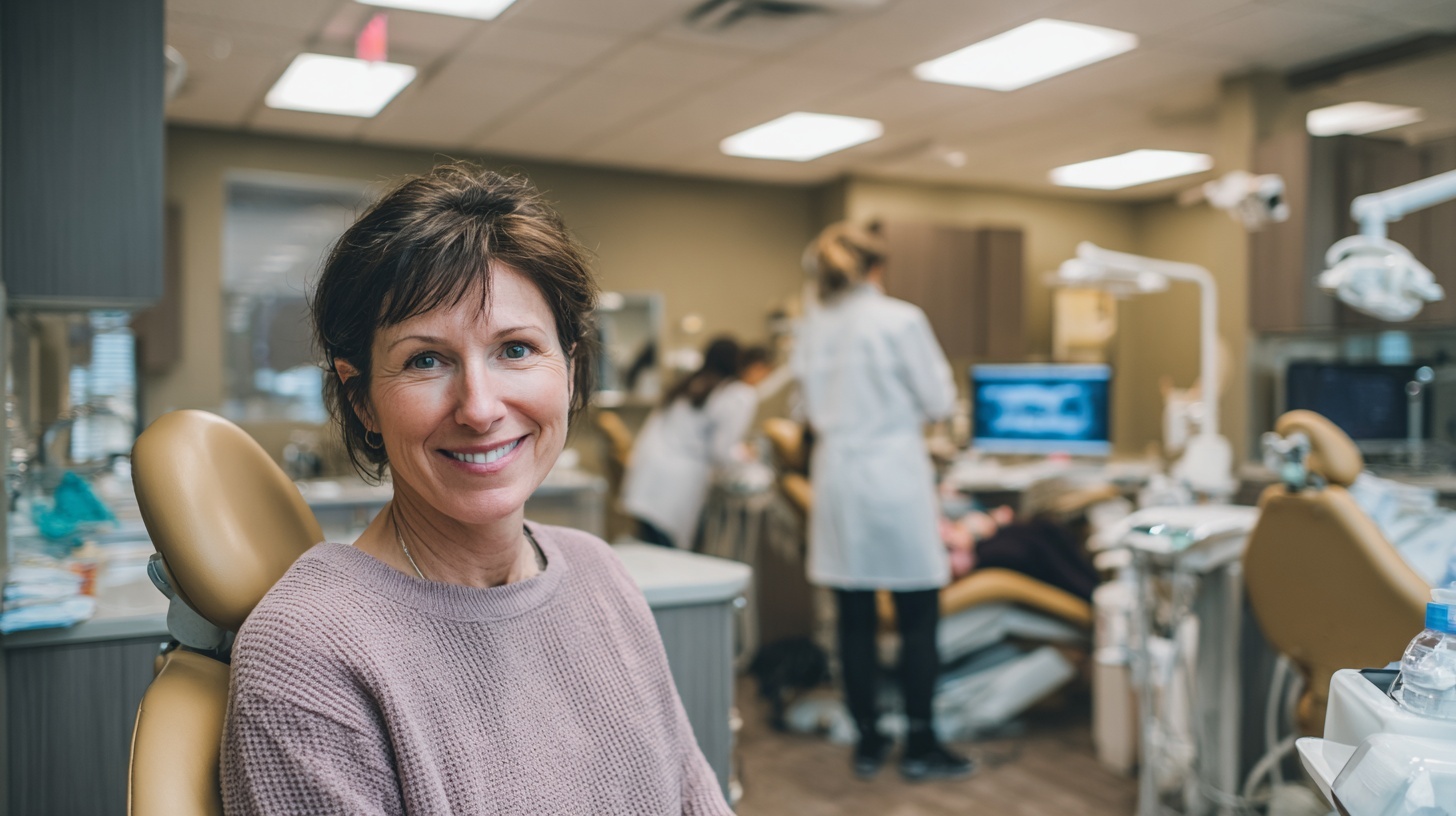
Minimally invasive cosmetic dentistry focuses on small, conservative changes that can make a big difference. Instead of aggressive drilling or major reshaping, the goal is to improve your smile while protecting healthy enamel and keeping your teeth comfortable long-term.
At 2nd Ave Family Dental in Durango, CO, we take a prevention-first approach to smile improvements. That means we look at your enamel strength, gum health, and bite so your result looks natural and holds up well over time.
Explore related services: Cosmetic Dentistry, Dental Cleanings & Exams, Dental Bonding, Teeth Whitening, Dental Veneers, Contact.
The Short Answer: Start With the Most Conservative Option That Can Reach Your Goal
If your goal is a brighter smile, a cleaner shape, or small fixes to chips and gaps, you may not need major dental work. Many smile improvements can be done with little to no drilling, and often in one or two visits.
The best plan depends on what is driving the change: color, shape, alignment, or wear. A good cosmetic plan protects enamel, respects your bite, and sets realistic expectations for longevity and maintenance.
Whitening
Improves tooth color without changing tooth shape. Often the simplest first step.
Composite bonding
Repairs chips, smooths edges, and can close small gaps with tooth-colored resin.
Conservative veneer planning
When bigger changes are needed, veneers can sometimes be planned conservatively, but they are a higher-commitment option.
Prevention-first approach
We confirm your foundation is healthy first so cosmetic work is comfortable and stable.
Our focus
We help you choose the least invasive path that still gets you a confident, natural-looking result.
Watch: Dentist Explains the Best Ways to Whiten Teeth
This video breaks down common whitening options and why a dentist-guided plan can be safer and more predictable, especially if you have sensitivity or older dental work.
One important point: whitening changes enamel shade, but fillings, crowns, and bonding do not whiten the same way. We help you plan timing so your smile stays even and natural.
What “Minimally Invasive” Cosmetic Dentistry Actually Means
In plain English, minimally invasive cosmetic dentistry means doing as little irreversible work as possible. Some treatments are reversible or low-impact, while others are permanent and require more commitment.
Protect healthy enamel when possible: Enamel does not grow back, so we avoid unnecessary reduction.
Make changes that look natural: The best cosmetic work still looks like you, just refreshed.
Respect comfort and bite: If bite forces are ignored, cosmetic work can chip, wear, or feel “off.”
If you are not sure what level of change you want, that is normal. A consult can help you compare options side-by-side and avoid over-treating.
Option 1: Teeth Whitening for a Brighter, Cleaner Look
If your teeth are the shape you like but the color feels dull or yellowed, whitening is often the most conservative upgrade. It changes shade without changing tooth structure.
Professional whitening can be tailored to your sensitivity level and your starting shade. If you have existing bonding or crowns, we can explain what whitening can and cannot change and how to keep your final look consistent.
Best for
Yellowing, staining, and “overall brightness” concerns.
Main limitation
Does not change tooth shape, chips, or spacing.
Common add-on
Bonding afterward to refine chips or edges once the shade is set.
Sensitivity note
Temporary sensitivity can happen. A dentist-guided plan can help reduce the risk.
Want to explore whitening options? Visit our Teeth Whitening page.
Watch: Composite Bonding Explained
This video explains how composite bonding works and why it is considered one of the most conservative ways to improve chips, small gaps, and minor shape concerns.
Bonding is not “forever,” but with good habits and regular checkups, it can be a practical, low-drama way to upgrade your smile without major tooth reduction.
Option 2: Composite Bonding for Chips, Gaps, and Shape Tweaks
Composite bonding uses a tooth-colored resin that is shaped and polished to blend with your natural tooth. It can be a great option when you want a subtle improvement without drilling the tooth down for a crown or veneer.
Bonding is commonly used for small chips, uneven edges, minor gaps, and small shape refinements. Like any material, it can stain or wear over time, so we help you plan realistic maintenance.
Often completed quickly: Many bonding improvements can be done in a single visit, depending on the case.
Conservative approach: In many situations, bonding requires little to no removal of tooth structure.
Maintenance matters: Avoiding biting hard objects and keeping regular exams helps bonding last longer.
Learn more about bonding: Dental Bonding.
Watch: Composite Bonding as a Minimally Invasive Cosmetic Option
This post highlights composite bonding for chips, gaps, and shape improvements. It is a great example of how small changes can make a smile look more even and polished.
A big benefit of bonding is control. We can fine-tune edges, symmetry, and small gaps in a way that still looks like your natural teeth.
Option 3: A Non-Invasive Smile Transformation (SmileSculpt-Style Approach)
Some people want a visible improvement but do not want an aggressive approach. A non-invasive smile transformation option can focus on subtle, high-impact refinements while keeping the process comfortable and conservative.
This is often a good fit when you are looking for a “freshened” smile, not a dramatic overhaul. The right candidate has healthy teeth and gums, and realistic expectations about what a non-invasive approach can accomplish.
Best for
Subtle cosmetic upgrades when you want to keep treatment conservative.
Main limitation
Not meant for major alignment or bite correction, or significant damage.
Why patients like it
Comfort-focused, lower commitment, and often fast changes.
How we help
We confirm the foundation is healthy first, then map the cleanest path to your goal.
Watch: SmileSculpt for Cosmetic Enhancement Without Extensive Surgery
This reel introduces a non-invasive smile transformation option known as SmileSculpt, aimed at cosmetic enhancement without extensive surgery.
If you want a conservative upgrade, this is the kind of conversation we love to have. We will tell you what is realistic, what is not, and what your cleanest next step should be.
Watch: Porcelain Veneers Procedure Explained
This video explains how veneers are typically planned and placed, and why it matters to weigh benefits against the long-term commitment involved.
Veneers can be a great solution for the right goals. The key is making sure you are choosing veneers because they are the best fit, not because they are the fastest-sounding option.
When Veneers Can Still Be the Right Choice
Veneers are a cosmetic option that can create a major improvement in shape and color. They are not always “minimally invasive,” because some cases involve enamel reduction to create the right fit and thickness.
That said, veneers can be the best choice when you need a bigger cosmetic change and conservative options will not meet your goal. The most important part is honest planning, and choosing the right treatment for the right reason.
Consider veneers when: You want a significant shape change, and bonding would be too fragile or too bulky for your case.
Still keep it conservative: A careful evaluation helps avoid over-prepping and supports a natural-looking result.
Long-term care matters: Bite evaluation, hygiene, and regular visits help protect your investment.
Explore veneers here: Dental Veneers.
Watch: A Composite Smile Makeover With a No-Drilling, Minimally Invasive Result
This post shows a composite smile makeover described as no-drilling and minimally invasive, with an aesthetic improvement completed in a single appointment.
Not every smile makeover requires multiple appointments or aggressive tooth reduction. When the foundation is healthy and the goals are clear, conservative cosmetic dentistry can be a great fit.
Quick Guide: Which Minimally Invasive Option Fits Your Goal?
This table compares common paths. The best first step is usually the option that reaches your goal with the least long-term tradeoffs.
| Option | Best for | Main limitation | Often paired with |
|---|---|---|---|
| Teeth whitening | Dull, yellow, or stained teeth when shape is acceptable | Does not change shape; restorations do not whiten | Cleanings, touch-ups, bonding after shade is set |
| Composite bonding | Small chips, edge refinement, minor gaps, shape tweaks | Resin can stain or wear over time; not designed for major bite correction | Whitening first, polishing at exams, bite protection if you grind |
| Non-invasive smile transformation (SmileSculpt-style) | Subtle smile upgrades with a conservative approach | Not intended for major alignment problems or severe damage | Exam, cleaning, whitening and/or bonding depending on goals |
| Porcelain veneers | Bigger shape and color changes when conservative options are not enough | May involve enamel reduction; higher commitment and cost | Bite evaluation, maintenance visits, long-term hygiene plan |
If you are unsure where you fit, we can walk through this in plain English and recommend a plan that matches your comfort level.
Step-by-Step: How We Choose the Most Conservative Cosmetic Plan
Minimally invasive dentistry works best when the planning is clear. Here is the simple process we use to protect your teeth and make the outcome feel predictable.
Start with a health check
We look at enamel, gums, existing dental work, and sensitivity so cosmetic changes start from a stable foundation.
Get clear on the real goal
Is it color, shape, chips, or spacing? Clear goals prevent over-treating and keep costs realistic.
Choose the least invasive option that works
We compare whitening, bonding, and veneers when needed, then explain tradeoffs in plain English.
Plan for maintenance
Cosmetic work lasts longer with cleanings, good home care, and bite protection if you clench or grind.
Finish with polish and follow-up
We confirm comfort and aesthetics, then keep your smile stable with routine check-ins.
Want a simple overview of cosmetic options? Explore our Cosmetic Dentistry page.
What You Should Take Away From This
Minimally invasive cosmetic dentistry is about smart, conservative choices. If your foundation is healthy, small changes like whitening or bonding can create a big confidence boost without major dental work.
Start conservative. Whitening and bonding are often the simplest first steps.
Protect enamel. Minimally invasive plans avoid unnecessary tooth reduction.
Match the option to the goal. Color, shape, and spacing need different solutions.
Think long-term. Maintenance, bite comfort, and routine exams help results last.
Want a Conservative Plan for a Better Smile?
If you are considering whitening, bonding, or other minimally invasive cosmetic options, we can help you get a clear answer without pressure. We will look at your enamel, gum health, and bite, then explain which options match your goals.
If a conservative approach is a great fit, we will keep the plan simple and comfortable. If you need a different path for a predictable result, we will explain that too, in plain English.
Schedule a Cosmetic Consultation