
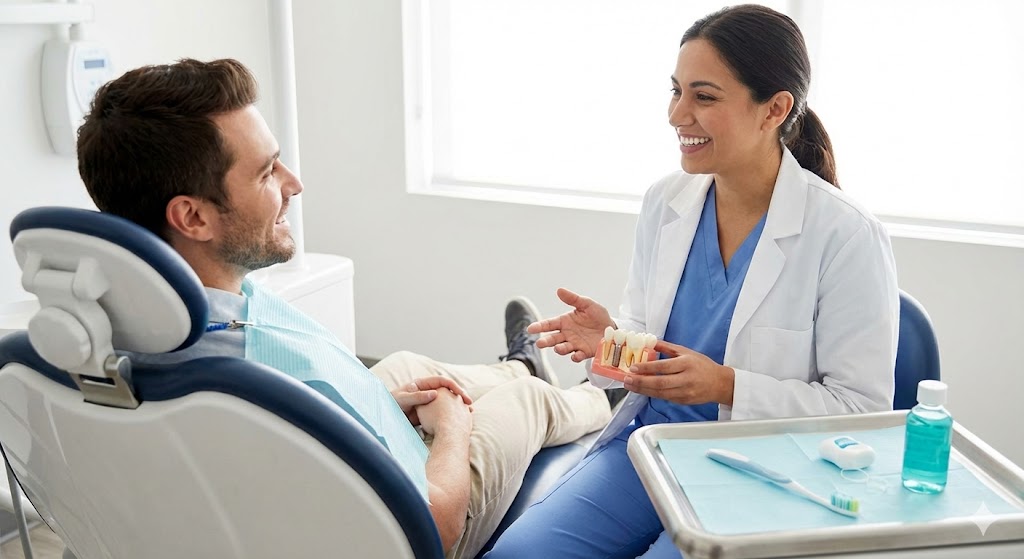
Dental implant surgery is the start of healing, not the finish line. For the first days and weeks, your job is simple: protect the surgical area, keep it gently clean, and avoid habits that slow healing. When aftercare is done right, most patients heal smoothly and feel more confident every day.
At 2nd Ave Family Dental in Durango, CO, we keep post-op instructions clear and realistic. We will tell you what is normal, what is not, and exactly when to call so you are never guessing.
If you have bleeding that will not slow down, worsening swelling after a few days, fever, pus, or severe pain, contact our office right away. Contact the office.
Explore related services: Services, About Us, Our Team, Dental Cleanings & Exams, Contact.
The Short Answer: Protect the Site, Keep It Gently Clean, and Keep Your Follow-Ups
Most implant aftercare problems happen for one of two reasons: the surgical area gets disturbed (so the body cannot heal calmly), or it is not kept clean in a gentle, consistent way. Your goal is a stable healing environment.
Think of this as your implant home-care routine after surgery: protect the area, choose soft foods, use gentle rinses and brushing when allowed, and avoid smoking or anything that increases irritation.
Protect the surgical area
Avoid poking the area, pulling the lip to “check,” or rinsing hard in the first day.
Gently clean your mouth
Brush the rest of your teeth as normal and follow instructions for cleaning near the implant site.
Eat soft and smart
Soft foods and careful chewing help reduce pressure and keep healing steady.
Avoid smoking and vaping
Nicotine can slow healing and increase the risk of complications.
When to call us
If pain suddenly worsens, bleeding will not slow, swelling increases after a few days, you notice pus, fever, or the area feels unstable, call our team.
What to Expect After Dental Implant Surgery
Most patients have some soreness and swelling after implant placement. The goal is for discomfort to feel manageable and improve steadily. A little bleeding or oozing early on can also be normal.
Normal early symptoms: mild bleeding, swelling, tenderness, and a “tight” feeling around the area.
What you want to see: symptoms that slowly improve day by day.
What is not normal: severe pain that increases, fever, worsening swelling after a few days, bad taste with pus, or bleeding that does not slow.
Your dentist may also give specific instructions based on whether you had extractions, bone grafting, or other steps done at the same visit. Always follow your personalized plan first.
Watch: Gentle Salt Water Rinses and Post-Op Healing Tips
This reel highlights a simple point that matters: rinse gently (when approved by your dentist) and follow post-op instructions closely to support smooth healing.
Gentle is the goal. Too much force can irritate tissue that is trying to heal and can slow down recovery.
Watch: Implant Home-Care Routine After Surgery
This video focuses on practical home-care steps after implant surgery, including what to do in the first days, how to keep things clean, and why follow-ups matter.
One simple mindset helps: the goal is steady healing. Most problems come from doing too much, too soon, or skipping hygiene and follow-ups.
Step-by-Step: Your Implant Home-Care Routine
If you want a calm, simple framework, use this. Always follow your dentist’s specific instructions if they differ, especially if you were prescribed a medicated rinse or antibiotics.
Day of surgery: protect the area
Rest, keep your head elevated, and avoid vigorous rinsing or spitting. If you were given gauze instructions, follow them exactly.
Manage swelling early
Use an ice pack as directed. Swelling is often most noticeable in the first 24 to 48 hours.
Take medications as directed
If you were given pain medication or antibiotics, take them exactly as prescribed. Call if pain is rising instead of improving.
Start gentle cleaning when allowed
Brush the rest of your mouth normally. Around the surgical area, follow instructions for gentle brushing and rinsing.
Choose soft foods and chew carefully
Soft foods reduce irritation. Avoid crunchy, sharp, spicy, or very hot foods early on.
Keep your follow-up appointments
Check-ins allow us to confirm healing, adjust instructions, and protect the long-term success of your implant.
If you are unsure whether symptoms are normal, reach out early: Contact our office.
Watch: Soft Foods, Gentle Brushing, Salt Water Rinses, No Smoking
This reel summarizes what we repeat most often after dental implants: soft foods, gentle brushing, salt water rinses, no smoking, and keeping follow-up appointments.
These basics are not “extra credit.” They directly affect healing quality, comfort, and how predictable your next steps will be.
Quick Guide: Implant Aftercare Timeline
This table gives a practical timeline. Your personal plan may vary based on what was done at your visit.
| Timeframe | Main goal | What to do | When to call |
|---|---|---|---|
| First 24 hours | Protect the surgical area | Rest, avoid vigorous rinsing or spitting, follow gauze and medication instructions | Bleeding that will not slow, severe reactions to meds |
| Days 2 to 3 | Reduce swelling and keep clean | Gentle cleaning as directed, soft foods, continue meds if prescribed | Swelling that rapidly worsens, fever, severe pain |
| Days 4 to 7 | Build steady healing | Keep hygiene consistent, avoid aggressive scrubbing near the site, keep follow-up plans | Bad taste with pus, worsening pain, new swelling after improvement |
| Weeks 2 and beyond | Support long-term integration | Maintain daily hygiene, avoid smoking, attend check-ins and cleanings | New pain, gum irritation that does not improve, a feeling of looseness |
When in doubt, reach out early. Contact our office.
What to Eat and What to Avoid After Implant Surgery
The first week is about reducing irritation. You can still eat well, but your choices should support healing.
Choose: yogurt, eggs, smoothies (avoid straws early if instructed), mashed potatoes, oatmeal, soft fish, soups that are not hot.
Avoid: crunchy chips, nuts, popcorn, hard crusts, very spicy foods, and anything that easily gets stuck near the surgical area.
Go easy on exercise early: heavy activity can increase swelling or bleeding for some patients in the first day or two.
No smoking or vaping: nicotine can slow healing and increase complication risk.
If chewing feels awkward, keep meals simple and chew away from the surgical area until you are cleared to resume normal chewing.
Watch: How to Clean Around Dental Implants Long-Term
This video focuses on the habits that protect implants after healing, including how to brush around implants and what tools may help you keep the gumline healthy.
Even though implants do not get cavities, gums around implants can still get inflamed. Daily cleaning plus regular professional check-ins help protect your investment.
Watch: Tips for Long-Lasting Dental Implants
This reel highlights long-term implant success: avoiding smoking, attending follow-ups, and staying consistent with daily oral hygiene habits.
The best implant outcomes come from simple consistency: clean well, keep your visits, and address gum irritation early instead of waiting.
What You Should Take Away From This
After surgery, your implant needs a calm environment to heal. The most important habits are not complicated, but they do matter.
Protection comes first. Early healing is easier when you avoid disturbing the surgical area.
Gentle hygiene is essential. Keep your mouth clean, but do it carefully and according to instructions.
Soft foods help. Lower pressure and less irritation support steady recovery.
Follow-ups protect long-term success. We use check-ins and cleanings to help prevent small issues from becoming big ones.
Have Questions After Implant Surgery?
If you are unsure whether what you are feeling is normal, do not guess. A quick conversation can prevent unnecessary stress and help protect healing.
Our team can review your symptoms, reinforce the right home-care steps, and schedule a check if needed.
Schedule a Post-Op Check