
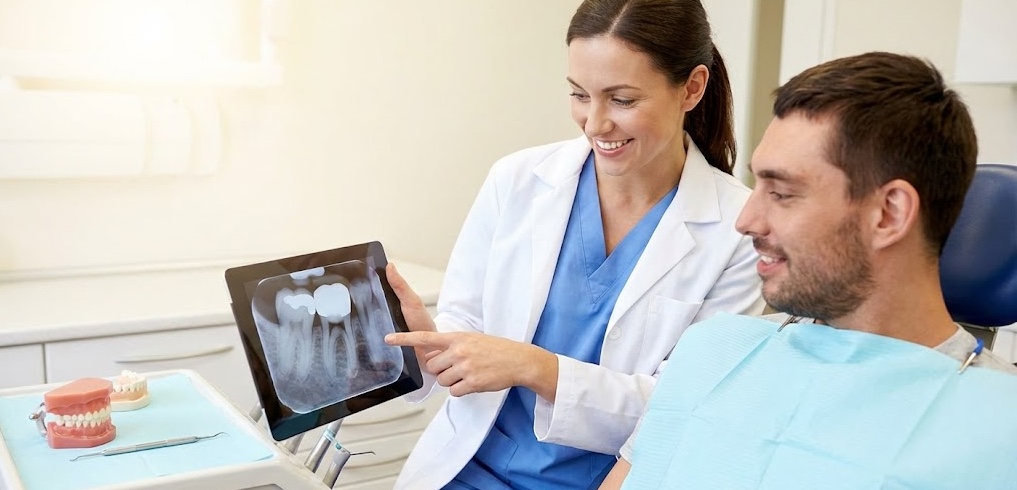
Yes, missing teeth can lead to jawbone loss over time. When a tooth is gone, the jaw in that area no longer gets the normal chewing pressure it needs to stay strong, so the bone can slowly shrink.
At 2nd Ave Family Dental in Durango, CO, we focus on prevention and long-term oral health. If you are missing a tooth, our goal is to help you understand what is happening, what options you have, and what to expect so you can protect your bite, comfort, and smile.
Explore related services: Restorative Dentistry, Dental Crowns, Composite Fillings, Dental Cleanings & Exams, Contact.
The Short Answer: A Missing Tooth Can Start a Chain Reaction That Includes Bone Loss
Your jawbone is living tissue. It stays healthier when it is used. Teeth (and their roots) transfer chewing forces into the jaw, which helps signal the body to maintain bone in that area.
When a tooth is missing, the bone underneath often gets less stimulation. Over time, the body may reabsorb some of that bone. This is one reason dentists encourage replacing missing teeth, even when the gap is not easy to see.
What changes first
Chewing pressure is no longer delivered through the tooth root in that spot.
What can happen next
The jawbone in that area can slowly shrink because it is not being “used” the same way.
Why it matters
Bone loss can affect bite stability, nearby teeth, and how future tooth replacement options fit.
The good news
Replacing a missing tooth can help protect function and reduce long-term complications.
Our focus
We help you choose the most conservative, predictable option that supports long-term oral health and comfort.
Why Missing Teeth Can Cause Jawbone Loss
When a tooth is present, the root helps stimulate the jawbone during chewing. When that root is gone, the body may treat the area as “less needed” and gradually reduce bone volume. This process is commonly called bone resorption.
Bone loss can happen after a tooth extraction, after trauma, or after losing a tooth due to decay or gum disease. It can also be influenced by overall oral health, including inflammation around the gums and bone.
No root stimulation: The jaw does not receive the same pressure signals in the missing tooth area.
Changes in chewing: Many people avoid chewing on the missing side, which can reduce stimulation even more.
Shifting and bite stress: Teeth can drift into the open space, creating uneven forces that can stress the surrounding bone.
If you have been missing a tooth for a while, that does not mean you are “too late.” It just means we want to evaluate the area carefully and choose the best option for your bone and bite.
Watch: What Can Happen If a Missing Tooth Is Left Untreated
This reel outlines the long-term effects of leaving a missing tooth untreated, including shifting teeth and bone loss. It is a helpful reminder that the gap is not just cosmetic.
We like this message because it sets realistic expectations. If you are missing a tooth, the goal is not just “fill the space,” it is to protect your bite and the supporting bone around it.
Signs a Missing Tooth May Be Affecting Your Jaw and Bite
Bone loss is not something you can always feel right away. Many people only notice changes after teeth start shifting or chewing feels different. A dental exam and X-rays are the best way to understand what is happening under the gumline.
Teeth drifting
Nearby teeth tilt into the space or the opposite tooth “over-erupts” because it lacks contact.
Bite changes
You may feel new pressure points, uneven contact, or tenderness when chewing.
Food trapping
Gaps can catch food more easily, which can irritate gums and increase decay risk.
Facial support changes
Over time, bone and gum shrinkage can affect support in that area of the smile.
If any of these sound familiar, we can take a look and explain what we see in plain English. Many patients feel relief just knowing what is happening and what the next best step is.
Watch: Can You Get Dental Implants Years After Tooth Loss?
This video explains a common concern: if a tooth has been missing for a long time, is an implant still possible? It also highlights why earlier replacement is often easier, especially when we are trying to preserve bone.
The takeaway: an implant may still be an option even after years. What matters is the amount and quality of bone available, and whether we need to plan for bone support first.
How Dental Implants Help Prevent Jawbone Shrinkage
Dental implants are designed to replace the root of a missing tooth. That root-like support can help deliver functional forces back into the jaw, which is one reason implants are often recommended for preserving bone in the missing-tooth area.
Not everyone is an implant candidate on day one, and implants are not the only option. But if your goal includes protecting long-term bone health, implants are often the closest replacement to a natural tooth.
Root replacement: An implant acts like a new foundation where the tooth root used to be.
Stable chewing support: A well-planned implant crown restores function and helps you chew more evenly.
Protects neighbors: Unlike a traditional bridge, implants do not rely on shaving down adjacent teeth for support.
If you are nervous about the process, you are not alone. Most patients are surprised by how step-by-step and manageable it can feel when you have a clear plan.
Watch: Why a Missing Tooth Area Can Shrink Over Time
This reel highlights a key point: the jaw can shrink in the area of a missing tooth, and dental implants may help reduce that bone loss.
We often explain it this way: the earlier you replace a missing tooth, the easier it can be to maintain the bone and keep the bite stable. If time has passed, we can still evaluate options and plan from where you are today.
Quick Guide: Options for Replacing Missing Teeth (and Bone Considerations)
Every option has a place. The best choice depends on your health, budget, timeline, and goals. This table is a simple starting point for understanding how different solutions relate to long-term bone support.
| Option | Best for | Bone support in the missing area | What to know |
|---|---|---|---|
| Dental implant + crown | Replacing a single missing tooth (or multiple teeth) with a stable, long-term option | Often the strongest option for supporting the area because it replaces the root | Requires a healthy foundation; sometimes bone grafting is recommended |
| Dental bridge | Filling a gap using adjacent teeth as anchors | Does not replace the root in the missing area | Can be a solid solution in the right case; relies on neighboring teeth for support |
| Partial denture | Replacing one or several teeth with a removable option | Does not replace the root in the missing area | Can restore appearance and some function; may need adjustments over time as gums and bone change |
If you want the clearest answer for your situation, we recommend an exam and images so we can compare options based on real anatomy, not guesses.
Watch: Why the Jawbone Can Shrink Where a Tooth Is Missing
This reel explains the big idea simply: when a tooth is not replaced, the jawbone can start to shrink in that specific spot.
If you are missing a tooth and you are unsure what to do next, the first step is simple: we look at the area, explain what we see, and outline your options without pressure.
Step-by-Step: What to Expect When You Ask Us About Replacing a Missing Tooth
We keep this process calm, clear, and patient-friendly. Whether you are leaning toward an implant, a bridge, or you are not sure yet, the goal is a plan that makes sense and protects your long-term oral health.
Start with an exam and images
We evaluate the missing-tooth area, nearby teeth, gums, and bone support so we understand the full picture.
Identify what matters most to you
Comfort, appearance, chewing, timeline, and budget all matter. We build the plan around your priorities.
Compare options in plain English
We explain implants, bridges, and removable options, including what each means for long-term maintenance.
Plan for bone support if needed
If the area needs additional support, we discuss practical next steps and realistic timelines.
Restore function and protect your result
After treatment, we help you protect your investment with prevention, home care guidance, and check-ins.
Want to explore restorative options? Visit our Restorative Dentistry page.
What You Should Take Away From This
Missing teeth are more than a “gap.” Over time, they can affect bone, bite balance, and the health of nearby teeth. The most important step is getting a clear, personalized plan based on what is happening in your mouth today.
Yes, missing teeth can cause jawbone loss. Bone often shrinks when it loses normal stimulation.
Small problems can become bigger. Shifting teeth and bite stress can develop quietly over time.
Dental implants can help protect bone. They replace the root, which is why they are often recommended for long-term support.
You have options. Bridges and removable solutions can still be appropriate depending on your needs and anatomy.
Want a Clear Answer About Your Missing Tooth?
If you are missing a tooth and wondering about jawbone loss, we can help you get a real, personalized answer without pressure. We will evaluate the area, explain what we see, and walk you through options that fit your goals.
If an implant is a good fit, we will explain what to expect step-by-step. If another solution makes more sense, we will show you that path too.
Schedule a Missing Tooth Consultation