
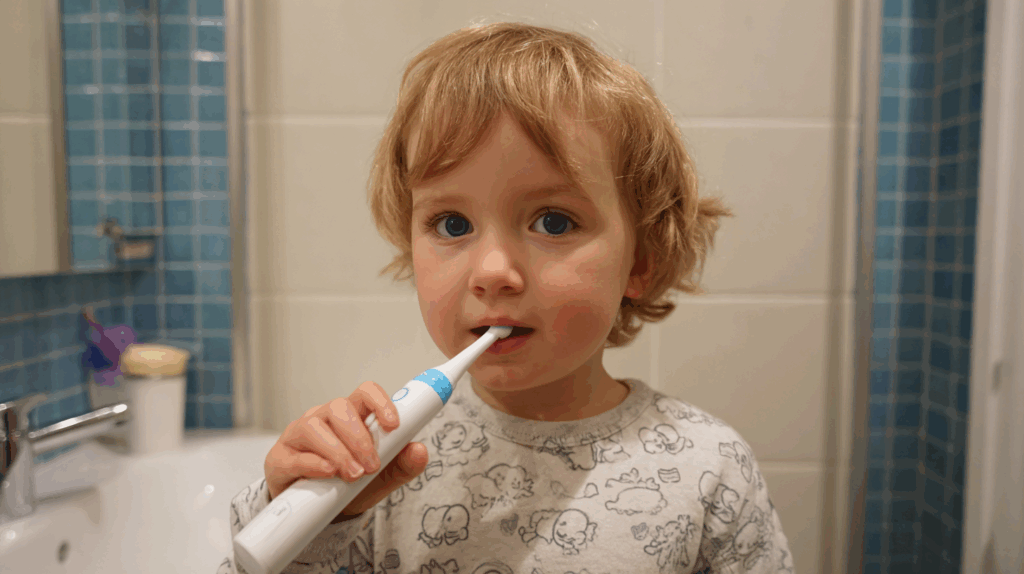
Are Electric Toothbrushes Better for Oral Health
Walk down any oral care aisle and you’ll see dozens of toothbrush options—from simple manual brushes to sleek, high-tech electric models with timers, pressure sensors, and apps. It’s natural to wonder: do electric toothbrushes actually clean better, or are they just nice extras?
At 2nd Ave Family Dental in Durango, our goal is to help you choose tools that truly support your oral health, not just add clutter to your bathroom counter. In this guide, we’ll compare electric and manual toothbrushes, explain when an electric brush might be especially helpful, and share practical tips so you can get the best results with whichever option you use.
Electric vs. Manual Toothbrushes: What’s the Real Difference?
Both electric and manual toothbrushes can clean teeth effectively when used correctly. The main difference is how much of the brushing “work” is done by you versus the brush itself.
Manual toothbrush: The bristles don’t move on their own. You create all the brushing motion with your hand using small, gentle strokes at the gumline for two full minutes.
Electric toothbrush: The brush head vibrates, oscillates, or rotates on its own. Your main job is to guide the bristles slowly along each tooth and let the brush provide the cleaning action.
Shared goal: In both cases, the goal is to remove soft, sticky plaque from the surfaces of your teeth and from just under the gumline before it hardens into tartar.
Watch: Manual vs. Electric Toothbrushes (Pros, Cons & Technique Tips)
Video summary: Dr. Michelle breaks down the pros and cons of manual vs. electric brushes and shares practical brushing tips—especially helpful if you’re dealing with cavities, gum disease, or sensitivity.
Comparison videos like this can be a helpful visual, but the best choice still depends on your habits, preferences, and any specific recommendations from your dentist or hygienist.
Why Many Dentists Recommend Electric Toothbrushes
Research has generally shown that electric toothbrushes can remove more plaque and reduce gingivitis slightly better than manual brushes over time, especially for certain patients. Here are a few reasons why:
Built-In Power and Consistency
The brushing motion is handled by the brush itself, which helps deliver consistent, small movements along the gumline. That can make it easier to clean thoroughly—especially in hard-to-reach areas.
Helpful Features
Many electric brushes include timers, quadrant alerts, and pressure sensors that let you know if you’re brushing long enough and not pressing too hard on your gums and enamel.
Support for People Who Need Extra Help
Electric brushes can be especially useful for kids, people with braces, patients with limited hand mobility or arthritis, and anyone who struggles with technique or consistency when using a manual brush.
Watch: Benefits of Electric Toothbrushes (Plus One Important Disclaimer)
Video summary: Electric brushes can make brushing easier and more consistent—but quality matters. This video explains why very cheap brushes (especially with stiff bristles) can increase the risk of gum recession or enamel wear.
This reel highlights an important point: the technique for using an electric brush is different from a manual one. With a power brush, your job is to place the bristles correctly and slow down—not “scrub” aggressively.
Technique Matters More Than the Price of the Brush
Whether you choose manual or electric, how you brush matters just as much as what you brush with. A simple, inexpensive manual brush used carefully for two minutes twice a day can outperform a top-of-the-line electric brush used quickly or incorrectly.
Two minutes really counts: Most people brush for less than a minute. Aim for a full two minutes, covering the outsides, insides, and chewing surfaces of every tooth.
Angle is everything: Hold the bristles at about a 45° angle to the gumline and use small, gentle movements so the bristles can clean where the tooth and gum meet.
Gentle pressure: More pressure doesn’t mean cleaner teeth. Pressing too hard can wear down enamel and irritate gums. Let the bristles—and the electric motor, if you’re using one—do the work.
This reel drives home a key message we share with patients every day: technique matters more than toothpaste flavor or fancy packaging. Brushing the right way for the full two minutes makes the biggest difference.
Who Might Benefit Most from an Electric Toothbrush?
Electric toothbrushes can be a smart investment for many patients, but they’re particularly helpful in certain situations. At 2nd Ave Family Dental, we may recommend an electric brush if you:
Have a history of cavities or gum disease: If plaque control has been a challenge in the past, the extra cleaning power and built-in timer can support better daily results.
Wear braces or have complex dental work: Brackets, wires, crowns, implants, and bridges can create extra nooks where plaque hides. Electric brushes can help reach around these areas more effectively.
Have limited hand strength or dexterity: Conditions like arthritis or neurologic issues can make small brushing motions difficult. A powered brush reduces the amount of hand and wrist movement required.
Struggle to stay consistent: If you tend to rush, a built-in two-minute timer and quadrant reminders can make it easier to build better habits.
This reel sums it up beautifully: accuracy and full two-minute coverage matter more than force. An electric brush can give you a “bonus” edge when paired with good technique.
Common Brushing Mistakes (With Electric or Manual Brushes)
Some of the most common brushing problems we see have less to do with the type of toothbrush and more to do with habits. Avoiding these mistakes can dramatically improve your oral health:
Brushing too hard: Aggressive scrubbing can cause gum recession and enamel wear. With an electric brush, you should simply guide the head—not push it into your teeth.
Skipping the gumline: Plaque loves the edge where your tooth meets your gum. Make sure bristles reach this area gently all the way around your mouth.
Forgetting the inside surfaces: The tongue-side of teeth—especially lower front teeth—often collects tartar. Don’t forget to clean these surfaces carefully every time you brush.
Rarely changing brush heads: Frayed bristles don’t clean well and can be rough on gums. Replace your manual brush or electric head about every three months, or sooner if the bristles splay out.
Watch: Common Brushing Mistakes & Why Electric Brushes Can Help
Video summary: Many people brush too hard, for too little time, or keep brushes too long. This video explains those common errors and why an electric toothbrush (with modern features like timers and pressure control) can make it easier to brush correctly.
If you’re not sure whether you’re brushing correctly, our hygienists are always happy to demonstrate techniques and recommend specific products tailored to your mouth.
How to Choose the Right Toothbrush for You
There is no single “best” toothbrush for everyone. The right choice is the one that helps you maintain healthy teeth and gums consistently and comfortably.
Look for soft bristles: Whether manual or electric, soft or extra-soft bristles are usually safest for enamel and gums. Hard bristles are rarely necessary and can cause damage over time.
Choose a head size that fits your mouth: Smaller heads often make it easier to reach back teeth and tight spaces, especially for children and adults with smaller arches.
Consider helpful features, not just “extras”: Timers, pressure sensors, and simple mode options are genuinely useful. Fancy lights, music, or large apps may not add much real benefit for most people.
Ask us for personalized guidance: At your cleaning and exam, we can look at your gum health, plaque patterns, and existing dental work and recommend specific brush types or brands that fit your needs and budget.
For more on how daily brushing fits into your overall preventive plan, you can explore our article on Why Preventive Dentistry Matters (if available on the site) or read about our approach to General & Family Dentistry.
Need Help Choosing a Toothbrush? Ask 2nd Ave Family Dental
Whether you’re thinking about switching to an electric toothbrush, upgrading your current one, or simply want to improve your technique with a manual brush, our team in Durango is here to help. We’ll review your current routine, look at how your teeth and gums are doing, and offer clear, honest recommendations that fit your lifestyle and budget.
From preventive cleanings and exams to personalized home-care tips, we’re focused on helping you keep your smile healthy for the long term—one small daily habit at a time.
Schedule a Preventive Visit