
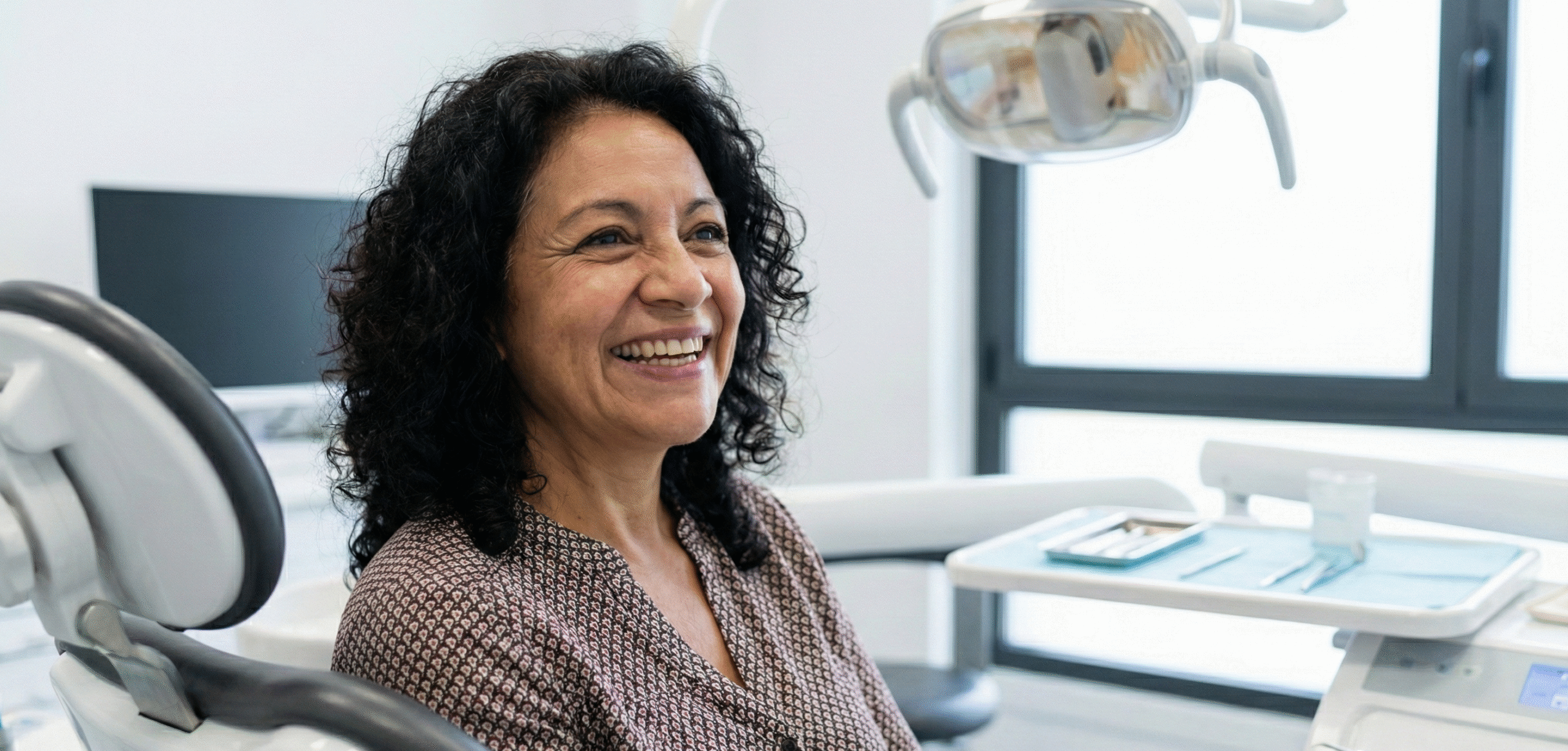
Dentures are a practical way to replace missing teeth and restore everyday basics like chewing, speaking, and smiling with confidence. The right denture should feel stable, look natural, and support your long-term oral health.
At 2nd Ave Family Dental in Durango, CO, we take a comfort-first, prevention-first approach to tooth replacement. That means we start with gum health, bite balance, and clear expectations so your denture fits well and stays comfortable over time.
If you are missing teeth and wondering whether you need a partial or a full denture, this guide breaks it down in plain English, including signs to watch for, what fitting looks like, and how to care for your denture day-to-day.
Explore related services: Restorative Dentistry, Dental Cleanings & Exams, Dental Crowns, Sedation Dentistry, Patient Resources, Contact.
The Short Answer: Partial Dentures Replace Some Teeth, Full Dentures Replace All Teeth in an Arch
A partial denture replaces one or several missing teeth when you still have healthy natural teeth left. A full (complete) denture replaces all teeth in the upper jaw, lower jaw, or both.
The best option depends on how many teeth are missing, the health of your gums and remaining teeth, and what you want your day-to-day comfort to feel like.
Partial denture
Best when you still have some natural teeth. Helps fill gaps and support chewing.
Full denture
Best when an arch has no teeth remaining. Restores appearance and basic function.
Fit matters
Comfort comes from good impressions, bite planning, and adjustment visits, not just the denture itself.
Long-term care
Dentures still need cleanings, exams, and occasional relines or repairs as your mouth changes.
Our goal
A natural-looking, comfortable fit with clear guidance so you know exactly what to expect.
Watch: Full vs Partial Dentures (Simple Overview)
This video gives a clear introduction to denture types and what the terms “full” and “partial” really mean, which is helpful if you are still sorting out the basics.
The big takeaway: dentures are customizable. The best match for you depends on your remaining teeth, your gum support, and how you want the denture to feel when you eat and speak.
What Dentures Are and What They Help With
Dentures are removable prosthetic teeth designed to replace missing teeth. Their job is to restore basic function (chewing and speaking) while also supporting your smile and facial appearance.
Missing teeth can shift how you bite, how you chew, and how evenly your jaw carries force. Replacing teeth can help restore balance and reduce the day-to-day strain that often comes with gaps.
Dentures restore function: They help you chew more effectively and speak more clearly in many cases.
Dentures support your smile: A well-made denture can look natural and support facial shape.
Fit is a process: Most people need a short adjustment period and a few follow-up visits to dial in comfort.
If you have dental anxiety, ask us about comfort options. Many patients find that even a simple conversation about Sedation Dentistry can make treatment feel more manageable.
Watch: What a Partial Denture Is (and Why It Helps)
This reel explains partial dentures in plain language, including how they can improve chewing and support the teeth you still have.
Partial dentures are often a good choice when you want to replace missing teeth without removing healthy teeth that are still doing their job.
Partial Dentures: What They Are and Who They Are For
A partial denture replaces one or more missing teeth when you still have natural teeth remaining. Many partials use a framework and clasps to help the denture stay secure around existing teeth.
Partials can help prevent nearby teeth from drifting into an open space, which can reduce bite changes over time.
Best fit
When you have multiple healthy teeth remaining and need to replace several missing teeth.
How it stays in
Often uses clasps or a precision fit around supporting teeth.
What it can improve
Chewing comfort, appearance, and reduced shifting of nearby teeth.
What it still needs
Daily cleaning, careful handling, and routine exams for fit and tissue health.
Watch: How a Removable Partial Denture Works (Visual Explanation)
If you learn best by seeing it, this visual video shows the general concept of how a removable partial denture fills gaps and is supported by the teeth that remain.
Important note: designs vary based on your bite, remaining teeth, and gum support. Your denture should be planned for your mouth, not a generic template.
Full Dentures: What They Are and What to Expect
A full denture (also called a complete denture) replaces all teeth in the upper jaw, lower jaw, or both. Full dentures rest on the gum tissue, and the fit depends on the shape of your ridge, saliva, bite planning, and careful adjustments.
Most people go through an adjustment phase. It is normal to need a few follow-up visits to reduce sore spots and improve stability.
Speaking: Your mouth may feel “different” at first. Practice reading out loud helps many patients adapt faster.
Chewing: Start with softer foods and smaller bites, then build up as confidence improves.
Sore spots: Mild irritation is common early. Sharp pain is not. We want to adjust the denture promptly.
If you feel slipping, clicking, or repeated sore spots, that is usually a fit issue, not a “you problem.” A small adjustment can make a big difference.
Watch: Complete Dentures and the Adaptation Period
This reel speaks directly to the real-life adjustment period with complete dentures, including why they feel different than natural teeth.
We like this message because it sets realistic expectations. The goal is progress, comfort, and a fit that becomes second nature over time.
Watch: Full vs Partial vs Fixed Options (Big Picture Comparison)
This video compares common tooth replacement categories and helps you understand how removable dentures fit into the bigger menu of options.
If you are not sure what you qualify for, that is normal. An exam helps us compare options based on your mouth, your bite, and your goals.
Quick Guide: Partial vs Full Dentures (What Usually Matters Most)
This table is a practical comparison. The right choice is the one that matches your current mouth health and gives you a comfortable, stable fit.
| Option | Best for | What to expect | Ongoing care |
|---|---|---|---|
| Partial denture | Replacing some teeth when you still have healthy natural teeth | Removable appliance supported by remaining teeth and gums | Clean daily, protect supporting teeth, routine fit checks |
| Full (complete) denture | Replacing all teeth in an upper or lower arch | Adjustment period is common; stability depends on tissue support and bite | Clean daily, avoid harsh heat, periodic relines or adjustments |
| Comfort support | If dental anxiety makes treatment feel hard | Options like nitrous or sedation can help visits feel calmer | Ask about Sedation Dentistry and planning |
If you want to see the full scope of restorative options, start here: Restorative Dentistry.
Step-by-Step: How Denture Fitting Usually Works
Getting dentures should feel structured and predictable. Here is the typical flow so you know what the process looks like before you start.
Exam and planning
We check gums, remaining teeth, and bite. We also talk through what you want chewing and comfort to feel like.
Impressions and records
We capture your mouth shape and how your jaws come together so the denture can be made to fit your bite.
Try-in and bite check (when needed)
We confirm appearance, speech feel, and bite balance before finalizing the denture.
Delivery and instructions
You leave knowing how to insert, remove, clean, and what “normal” early sensations feel like.
Adjustments and long-term check-ins
We fine-tune sore spots and monitor fit. Over time, relines or repairs may be needed as tissues change.
If you have questions about financing or planning, our Patient Resources page is a helpful place to start.
Watch: Eating With Dentures (Practical Tips)
This video focuses on real-life eating habits that help new denture wearers build confidence, avoid frustration, and reduce soreness early on.
Simple advice that often helps: take smaller bites, chew slowly on both sides, and start with softer foods while your mouth adapts.
Watch: Partial vs Full Dentures (Quick Comparison)
This reel compares partial vs full dentures and reinforces the main decision point: do you still have teeth to support a partial, or do you need to replace a full arch?
If you are still unsure which category you fit, an exam gives you a clear answer and a clear plan.
Signs Your Denture May Need an Adjustment or Reline
Your mouth can change over time. That can affect fit, even if your denture was comfortable at first. Here are common signs it is time to come in.
New sore spots: Repeated irritation, rubbing, or pain in the same area.
Slipping or clicking: A denture that moves when you talk or eat.
Food trapping: More debris under the denture than before.
Cracks or worn teeth: Chips, fractures, or a bite that feels uneven.
If something feels off, do not try to “tough it out.” A small adjustment now can prevent bigger problems later.
What You Should Take Away From This
Partial and full dentures are both reliable options for replacing missing teeth. The best results come from good planning, realistic expectations, and routine follow-up care.
Partial dentures replace some teeth. They work when you still have healthy teeth remaining.
Full dentures replace all teeth in an arch. An adjustment period is normal, and follow-ups help comfort.
Fit is not one-and-done. Your mouth changes over time, so relines and adjustments are common.
Prevention still matters. Cleanings and exams protect gums, supporting teeth, and long-term stability.
Want Help Choosing Between Partial and Full Dentures?
If you are missing teeth and want a clear, no-pressure recommendation, we can help. We will evaluate your gums, remaining teeth, and bite, then explain your options in plain English.
If dentures are a great fit, we will guide you through a comfortable, well-planned process and make sure you are supported through the adjustment phase. If another option makes more sense for your mouth, we will show you that path too.
Schedule a Denture Consultation