
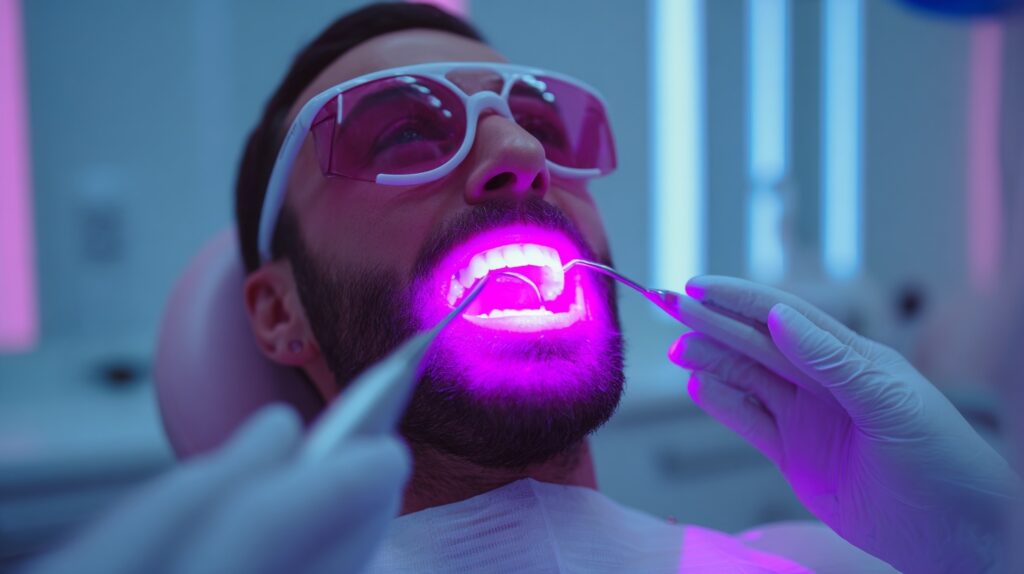
If you have sensitive teeth, whitening can feel like a gamble. You want a brighter smile, but you do not want to trade that for zingers, soreness, or days of discomfort.
At 2nd Ave Family Dental in Durango, CO, we take a comfort-first approach to cosmetic care. That means we start by figuring out why you are sensitive, then choose the safest whitening method for your enamel and gums.
The goal is simple: help you whiten safely, in a way that feels manageable, predictable, and easy to maintain.
Explore related services: Teeth Whitening, Cosmetic Dentistry, Dental Cleanings & Exams, Dental Bonding, Dental Veneers, Contact.
The Short Answer: Yes, Whitening Can Be Safe, But the Method Matters
Teeth whitening is usually safe for sensitive teeth when it is done correctly and for the right reasons. The bigger risk is not the whitening itself. The bigger risk is whitening when you have an underlying issue (like enamel wear, gum recession, or an untreated cavity), or using products too aggressively.
When we plan whitening for sensitive teeth, we focus on three things: protecting your enamel, preventing gum irritation, and controlling sensitivity before it starts.
Best-case scenario
Healthy teeth and gums, controlled sensitivity, and a gradual plan that brightens comfortably.
Most common side effect
Temporary sensitivity for a day or two, especially with stronger products or longer wear time.
What we try to avoid
Over-whitening, gum burns from poor-fitting trays, and pain caused by whitening over exposed root surfaces.
Good news
Most sensitivity can be reduced with the right prep, a lower-strength option, and smarter scheduling.
Our focus
We help you choose the most conservative whitening option that still gets you a noticeable, natural-looking result.
Watch: Whitening Sensitive Teeth (What to Do If You Have Sensitivity)
This video focuses on the core question: how to whiten when you already have sensitive teeth, and what adjustments can make the process more comfortable.
We agree with the main idea: the safest whitening plan is the one that matches your teeth. If you are sensitive, you usually do better with a slower approach and better protection for your enamel and gums.
Why Whitening Can Trigger Sensitivity
Whitening gels typically use peroxide (hydrogen peroxide or carbamide peroxide) to break up stain molecules. That process can temporarily make teeth feel more reactive, especially to cold air or cold drinks.
Sensitivity is more likely when the protective enamel layer is thinner, when gums have receded (exposing root surfaces), or when there are tiny cracks, worn edges, or areas of decay.
Thin or worn enamel: Less “buffer” between the whitening gel and the inner tooth where nerves respond.
Gum recession: Exposed roots do not have enamel, so they can react faster and feel sharper.
Microcracks or chips: Even small defects can make teeth more reactive during whitening.
Overuse or long wear time: “More” is not always better. Stronger gels and longer sessions often increase sensitivity.
This is why a quick checkup before whitening can be such a smart move. If we find the real cause of your sensitivity, we can protect you from turning a cosmetic plan into a painful week.
Watch: Whitening Myths vs Reality (Including Sensitivity)
This reel clears up common whitening myths and explains why temporary sensitivity can happen, plus why expert guidance makes the process safer and smoother.
The key takeaway is simple: sensitivity is common, but it should not feel intense or “alarming.” If it does, pause and get guidance so you are not whitening over a problem that needs treatment.
When Whitening Is Not the Right First Step
Whitening is not a “bad” option. It is just not always the right starting point. If your sensitivity is coming from an active issue, whitening can make it feel worse, even if the product is high quality.
Untreated cavities
Whitening over decay can cause sharp pain and may delay the care you actually need.
Gum recession with exposed roots
Root surfaces are more reactive. We may need desensitizing care first.
Cracks, chips, or heavy wear
Teeth with structural stress often need protection before cosmetic changes.
Severe sensitivity already
If cold water hurts daily, we should diagnose the cause first, then talk whitening.
Important note
Fillings, crowns, and veneers do not whiten. If you have visible dental work on front teeth, we plan your shade carefully so everything looks even.
If any of these sound familiar, the safest move is a quick exam and a clear plan. That way you whiten with confidence instead of guessing.
Watch: How to Prevent Sensitive Teeth After Whitening
This video focuses on practical ways to reduce sensitivity during and after whitening, including pacing, product choices, and comfort tips.
We like the idea of “control the variables.” Most whitening discomfort comes from strength, wear time, and frequency. When we adjust those, the experience is usually much easier.
Safer Whitening Options for Sensitive Teeth
If you are sensitive, you usually want a plan that is more controlled, more precise, and less irritating to gums. Here is how the most common options compare in real life.
In-office whitening: Stronger whitening with professional supervision. Can be a great option when we protect gums well and plan sensitivity support.
Custom take-home trays: One of the best comfort options for sensitive teeth. The fit is snug, the gel stays where it should, and we can use a gentler formula over time.
Over-the-counter strips: Can work for mild stains, but they often cause more sensitivity because they are one-size-fits-all and can contact gums.
Whitening toothpaste: Helps with surface stains, but it will not deliver a big shade change. Some formulas can irritate sensitivity if used too aggressively.
If your main goal is “brighter, but comfortable,” custom trays are often the sweet spot. They give you control, and they usually create the most predictable experience for sensitive patients.
Watch: Tips for Managing Sensitivity After Whitening
This reel shares simple, dentist-approved ways to calm sensitivity after whitening and make the process feel smoother day to day.
The biggest comfort win is usually pacing. Whitening every other day, using shorter wear times, and adding a desensitizing step can make a huge difference.
How to Whiten More Comfortably When You Are Sensitive
If you want to whiten with less risk of discomfort, these are the most reliable ways to make it easier. The goal is not to “push through” sensitivity. The goal is to prevent it.
Start with a sensitivity toothpaste
Use it daily for at least 1 to 2 weeks before whitening to calm the nerve response.
Shorter sessions beat longer sessions
Lower wear time often creates better comfort with results that still build steadily.
Whiten less often
Every other day (or fewer days per week) can reduce sensitivity without ruining results.
Avoid whitening when gums are inflamed
If your gums are irritated or bleeding, whitening can sting. Cleanings and gum care first helps.
Ask about desensitizing support
For sensitive patients, adding a desensitizing gel step can make the whole experience feel easier.
If you are not sure what is causing your sensitivity, a quick exam can save you time and discomfort. It also helps you avoid wasting money on products that are not a fit.
Watch: How to Whiten Teeth Without the Pain of Sensitivity
This video shares practical habits and adjustments that can help reduce whitening discomfort, especially for people who already know they are sensitive.
We like the general direction here: if sensitivity shows up, do not double down. Scale back, protect your enamel, and get a plan that is built for your mouth.
Watch: At-Home Whitening Options for Sensitive Teeth (Including Custom Trays)
This reel discusses at-home whitening options and highlights why custom trays can reduce irritation and make whitening more comfortable for sensitive teeth.
Custom trays are popular for a reason: better fit usually means less gel on the gums, fewer hot spots, and more consistent whitening over time.
Quick Guide: Whitening Options When You Have Sensitive Teeth
This table gives you a simple way to compare common whitening paths. If you want help choosing the safest option for your sensitivity level, we can guide you quickly during a visit.
| Option | Best for | Main limitation | Comfort tips |
|---|---|---|---|
| Custom take-home trays | Sensitive teeth that need a controlled, gradual brightening plan | Takes longer than in-office whitening | Shorter wear time, fewer days per week, sensitivity toothpaste before and during |
| In-office whitening | Faster results with professional gum protection and supervision | Can trigger temporary sensitivity in some patients | Desensitizing support, avoid overdoing follow-up products, gentle aftercare |
| Whitening strips | Mild stains and budget-friendly touch-ups | One-size-fits-all fit can irritate gums and increase sensitivity | Use less often, shorten wear time, stop if sharp pain starts |
| Whitening toothpaste | Surface stains and maintenance after whitening | Limited shade change; some formulas can irritate sensitivity | Use a sensitivity-focused toothpaste, brush gently with a soft brush |
| Bonding or veneers (not whitening) | Stains that do not respond to whitening, or uneven color from dental work | Different procedure and planning than whitening | We match shade and plan a natural look based on your goals |
If your teeth are sensitive and you still want a noticeable change, custom trays are often the most comfortable and predictable approach.
Step-by-Step: How We Plan Whitening for Sensitive Teeth
Whitening should feel calm and straightforward. Here is the simple process we use to keep results strong and sensitivity low.
Start with a quick exam and a baseline
We check enamel, gums, old fillings, and any signs of decay or cracks that could trigger pain.
Identify the real stain type
Surface stains and deeper color changes do not always respond the same way. This helps us set realistic expectations.
Choose the safest method for your sensitivity level
For many sensitive patients, custom trays and a slower schedule is the most comfortable choice.
Build in comfort support
We may recommend sensitivity toothpaste, shorter wear times, fewer days per week, or desensitizing steps.
Protect your result with a simple maintenance plan
We talk through stain habits, touch-ups, and how to keep your teeth bright without overdoing it.
Want a clear starting point? Explore our Teeth Whitening page.
What You Should Take Away From This
You can often whiten safely with sensitive teeth, but you should not guess your way through it. The safest plan is the one that respects your enamel, protects your gums, and keeps sensitivity under control.
Whitening is usually safe when done correctly. Temporary sensitivity can happen, but it should be manageable.
Do not whiten over problems. Cavities, cracks, and gum recession should be addressed first.
Custom trays are often the comfort winner. Better fit usually means less irritation and more control.
Pacing matters. Shorter wear times and fewer whitening days can reduce sensitivity without killing results.
Want to Whiten Safely Without Worsening Sensitivity?
If you have sensitive teeth and you are thinking about whitening, we can help you choose a plan that feels comfortable and still delivers a real change. We will check your enamel and gums, confirm what is driving sensitivity, and recommend the safest method for your smile goals.
If whitening is a good fit, we will help you do it in a controlled way with comfort support built in. If a different cosmetic option makes more sense for your situation, we will walk you through that too.
Schedule a Whitening Consultation