
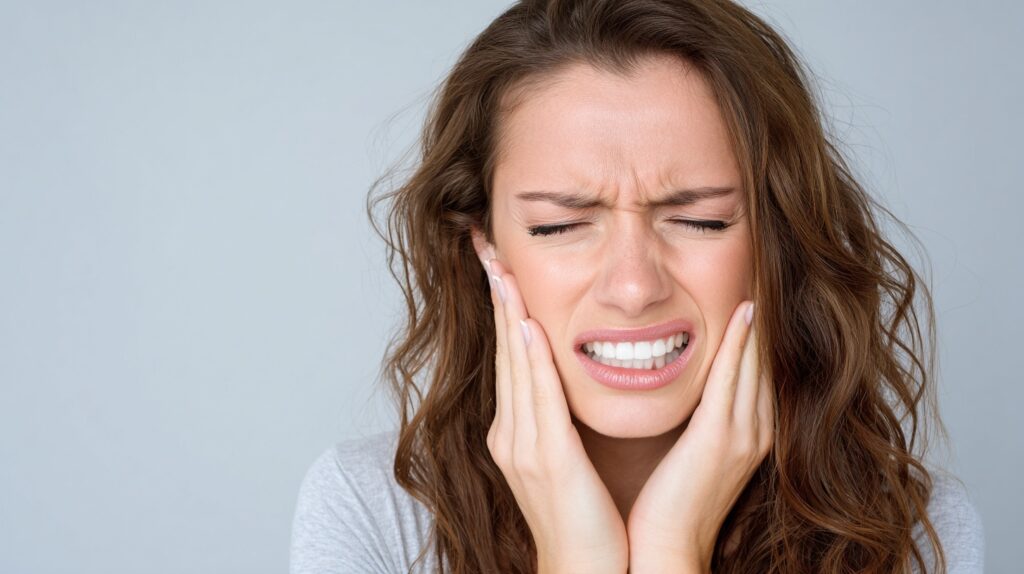
Yes, stress can affect oral health. It can change how you care for your teeth, how your jaw muscles behave, and how much saliva your mouth makes. Over time, that can raise your risk for cavities, gum irritation, jaw pain, and tooth wear.
At 2nd Ave Family Dental, we focus on prevention and clarity. If you are noticing grinding, headaches, dry mouth, or tender gums, we can help you get a calm baseline exam and a practical plan.
If you want to start with a routine visit, begin here: Dental Cleanings and Exams. If cost planning matters, these options can help: Patient Resources and Financial Options.
The Short Answer: How Stress Shows Up in Your Mouth
Stress does not create every dental problem, but it can make common problems more likely, more frequent, or more intense. Here are the biggest ways we see it affect teeth, gums, and jaw health.
Grinding and clenching (bruxism): Many people tense their jaw during the day or grind at night without knowing it. This can wear enamel, chip teeth, and strain the jaw joints and muscles.
Dry mouth: Stress and certain medications can reduce saliva. Saliva protects teeth by helping rinse away food particles and balance acids.
Gum irritation: Stress can lead to less consistent home care, more plaque buildup, and inflamed gums that bleed more easily.
Habits that raise cavity risk: Stress can increase snacking, sugary drinks, tobacco use, or skipped brushing and flossing.
Mouth sores and sensitivity: Some patients notice canker sores, irritation, or sensitivity flare-ups during stressful periods.
If you are dealing with tooth pain, swelling, or a chipped tooth, do not wait. Start here: Contact the Office.
Common Signs Stress May Be Affecting Your Oral Health
Many stress-related dental issues start quietly. If you notice any of these, it is worth getting checked so small issues do not become bigger ones.
Morning jaw soreness
A tired jaw or facial tightness when you wake up can be a clue you are clenching or grinding at night.
Headaches near your temples
Jaw tension can contribute to headaches, especially when stress stays high over time.
Chipped or worn teeth
Grinding can flatten teeth, chip edges, and make teeth more sensitive.
Dry mouth or bad breath
Less saliva means less natural rinsing and less acid buffering, which can raise cavity risk.
Bleeding gums
Bleeding with brushing or flossing is often a sign of inflammation that can worsen if routines slip.
Mouth sores
Canker sores or irritated spots can be painful and may flare during stressful stretches.
A bite that feels “off”
Some people notice their teeth meet differently or feel tightness around the jaw joints. That is worth evaluating.
If you think grinding is causing damage, restorative options may help stabilize teeth: Restorative Dentistry.
Watch: Stress and Your Oral Health
This video covers the big picture: how stress can contribute to grinding, jaw soreness, and other oral health issues, plus why prevention matters.
If you want a simple next step, a cleaning and exam helps us check enamel wear, gum health, and any early signs of damage: Schedule a Cleaning and Exam.
Dry Mouth During Stress: Why It Matters for Cavities
Saliva is one of your mouth’s best natural defenses. When your mouth feels dry more often, teeth can become more vulnerable to decay and irritation.
Saliva helps neutralize acids: Less saliva can mean more acid exposure on enamel, especially if you snack or sip sweet drinks frequently.
Dry mouth can change your comfort: Some patients feel burning, irritation, or more sensitivity when saliva levels are low.
Bad breath can worsen: Saliva helps rinse the mouth. Without it, odor-causing bacteria can build up faster.
Hydrate consistently
Water helps, especially between meals. Avoid frequent sipping of sugary drinks if you can.
Ask about medications
Many common medications can contribute to dry mouth. We can help you think through protective strategies.
Build a realistic routine
If stress is disrupting your routine, aim for a simple reset: brush twice daily and keep flossing as consistent as you can.
If you are noticing dryness and sensitivity, a preventive visit can help you stay ahead of cavities: Dental Cleanings and Exams.
Quick Video: Stress, Dry Mouth, and Skipped Home Care
This reel highlights a common reality: stress can reduce saliva and make brushing and flossing less consistent. Both can raise your risk for cavities and gum irritation.
If you feel like you have fallen behind, that is normal. The best step is a baseline visit and a plan you can actually follow.
Stress-Related Oral Problems: What to Watch, and What Helps
Here is a plain-English breakdown of the most common stress-related issues and the practical next steps that usually help.
| What you notice | Common cause | Why it matters | What helps |
|---|---|---|---|
| Jaw soreness or headaches | Clenching or grinding | Can strain muscles and wear teeth | Evaluation, bite protection when appropriate, daytime awareness tools |
| Chipped edges or worn teeth | Grinding over time | Enamel loss raises sensitivity and break risk | Protective plan, monitoring, and restorations if damage exists |
| Dry mouth | Stress, medication effects, dehydration | Higher cavity risk and irritation | Hydration, cavity prevention strategies, and exam guidance |
| Bleeding gums | Inflammation from plaque buildup | Can worsen if routines slip | Professional cleaning and a simple home-care reset |
| Mouth sores | Stress-related flare-ups for some people | Painful and can affect eating | Evaluation if persistent or recurring, symptom relief guidance |
For prevention-first care and ongoing support, explore: General and Family Dentistry.
Watch: Bruxism and the Effects of Stress on Your Teeth
This video focuses on bruxism, including the common signs, why it causes damage, and why protecting teeth early can save you from bigger repairs later.
If stress has already caused cracks, broken fillings, or worn teeth, we can help you prioritize the smartest fixes first: Restorative Dentistry.
Step-by-Step: How to Protect Your Smile During Stressful Times
You do not need a perfect routine. You need a realistic one you can keep even when life is busy.
Get a baseline exam if symptoms are new
It is easier to prevent damage than repair it. A quick check can confirm what is happening and what to do next.
Protect your teeth if you grind
If you wake up sore or see wear, ask about protective options. This is one of the best ways to reduce tooth damage.
Support saliva if your mouth feels dry
Hydration and consistent home care help. We can also discuss strategies to reduce cavity risk when dry mouth is frequent.
Keep brushing simple and consistent
Brush twice daily. If flossing is hard right now, do what you can and build back up gradually.
Do not ignore cracks, chips, or bite changes
Small damage can become bigger damage. Checking it early often keeps solutions simpler.
Plan around budget if needed
If you need to sequence care, we can talk through priorities and options: Patient Resources.
Quick Video: Stress, Teeth, Jaw Pain, and Headaches
This reel connects the dots between stress, clenching, grinding, jaw pain, and headaches. If you are feeling this, there are practical ways to protect your teeth and reduce strain.
If you suspect grinding, do not wait until a tooth breaks. A short exam can help confirm the cause and protect your enamel.
When It Is Time to Schedule a Visit
Some symptoms can be watched briefly. Others are a sign you should be evaluated sooner so problems do not escalate.
Tooth pain or lingering sensitivity
If sensitivity sticks around or worsens, it is worth checking for decay, cracks, or gum irritation.
Chipped tooth or broken filling
Grinding and clenching can break restorations. Fixing it early can prevent bigger damage.
Jaw clicking with pain or limited opening
Jaw issues can worsen if ignored. A bite and jaw evaluation is a smart next step.
Bleeding gums that persist
Bleeding is a sign of inflammation. A cleaning and exam often help reverse early problems.
Any symptom that is getting worse
If something is escalating, do not wait. Getting clarity early usually keeps the plan simpler.
Need to talk to the team? Start here: Contact the Office.
Watch: Stress and Teeth Grinding
This video dives into stress-related grinding and clenching, including why it happens and why consistent dental checkups matter when bruxism is suspected.
If you want us to check for wear patterns or early cracks, a routine visit is the right place to start: Dental Cleanings and Exams.
Quick Video: Stress-Related Oral Symptoms to Watch
This reel highlights common stress-related oral problems like bruxism, dry mouth, ulcers, and gum inflammation. If you recognize any of these, it is a good time for a checkup.
If your symptoms are affecting sleep, comfort, or daily life, a visit can help you get a clear plan and protect your teeth.
What You Should Take Away From This
Stress is part of life. The goal is not perfection. The goal is protecting your teeth and gums while you are going through it.
Stress can affect oral health in real ways. Grinding, dry mouth, and routine changes can raise your risk quickly.
Jaw pain and headaches can be dental clues. If clenching or grinding is involved, protecting teeth early matters.
Gum inflammation can build up fast. A cleaning and simple home-care reset often helps.
A routine visit can stop the guessing. Start with Cleanings and Exams or review Patient Resources if cost planning matters.
Ready for a Calm, Clear Plan?
If stress is affecting your mouth, you do not have to push through it or guess what is normal. We can help you get a comfortable baseline, protect your teeth, and build a plan you can actually stick with.
Schedule an appointment or reach out with questions. We are here to help you feel informed, comfortable, and confident about your next step.
Schedule a Visit or Ask a Question