
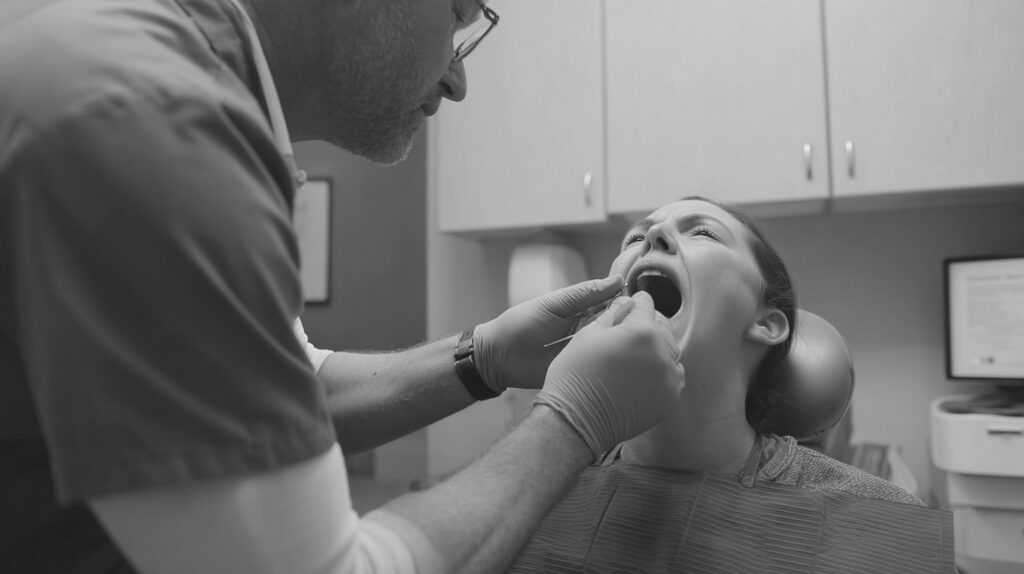
An oral cancer screening is a quick, careful check of the tissues in and around your mouth. It is often done during a routine dental exam, and it is designed to spot changes early, when treatment is typically simpler and outcomes can be better.
At 2nd Ave Family Dental, we take a prevention-first approach and explain every step in plain English. If you have ever wondered what your dentist is looking for, this guide walks you through the oral cancer screening procedure, what it feels like, and what happens if we notice something that needs a closer look.
What an Oral Cancer Screening Is (and What It Is Not)
An oral cancer screening is a visual and hands-on evaluation of your mouth, lips, and nearby areas like your jaw and neck. We are looking for anything that seems unusual or that could benefit from monitoring or follow-up.
It is important to know that a screening is not a diagnosis. Most unusual findings are not cancer. Many are caused by irritation, canker sores, infections, trauma from biting, or other common issues. The purpose of the screening is to catch changes early and guide the next best step if anything looks suspicious.
Fast and noninvasive: A typical screening takes only a few minutes and is painless for most patients.
Visual plus gentle touch: We look at soft tissues and also feel for lumps, swelling, or tenderness.
More than just the tongue: The check includes cheeks, gums, the floor of the mouth, palate, lips, and the throat area we can see.
Not a biopsy: If something needs a closer look, we talk through next steps and possible referrals, rather than guessing.
If you have a sore, lump, or rough patch that has not improved after about two weeks, it is worth mentioning at your visit. Even if it ends up being something minor, it is better to check than to wait.
Why Dentists Screen for Oral Cancer at Routine Visits
Oral cancer can start as subtle changes in the mouth that are easy to miss at home. Regular dental exams are a natural time to screen because we have good lighting, clear visibility, and training to notice small tissue changes.
Screening is also a chance to talk about risk factors and symptoms in a calm, practical way. We focus on education, prevention, and a plan you can feel good about.
This post highlights why early detection matters and why routine dental checkups are a smart time to screen for changes that should not be ignored.
Step-by-Step: What Happens During the Screening
Oral cancer screenings are usually done as part of your exam. The goal is to be thorough without making the appointment feel stressful. Here is what the process typically looks like.
1) Quick health and symptom check
We may ask if you have noticed sores, lumps, bleeding, numbness, difficulty swallowing, persistent hoarseness, or pain that is not improving.
2) Lip and cheek inspection
We look at your lips and the inside of your cheeks for sores, color changes, thickened areas, or spots that look different than normal tissue.
3) Gum and palate check
We evaluate your gums and the roof of your mouth (palate) for unusual patches, swelling, or areas that seem irritated.
4) Tongue and floor of the mouth
We look at the top and sides of the tongue and the floor of the mouth. These areas can be hard to see at home, which is one reason screenings are helpful.
5) Throat and back-of-mouth view
We check what we can see in the back of the mouth and throat area for asymmetry, redness, or tissue changes.
6) Jaw and neck feel
We gently feel along the jawline and neck for lumps, swelling, or tenderness in the lymph node areas.
What it feels like
Most patients feel only light pressure as we look and gently palpate. If something is tender, tell us right away so we can adjust and keep you comfortable.
This reel shows what a real screening can look like in practice, including checking inside the mouth and around the jaw and neck as part of a routine exam.
If you want to pair screenings with consistent preventive care, routine dental visits are the foundation. You can explore our approach to cleanings and exams to see what is included and what to expect.
Who Should Get an Oral Cancer Screening (and How Often)
Most adults receive an oral cancer screening during regular dental exams. If you have additional risk factors, consistent screening becomes even more important.
Routine dental patients: Screening is commonly included during exams, even when you have no symptoms.
Tobacco exposure: Smoking or smokeless tobacco can increase risk, and screenings help track tissue health over time.
Heavy alcohol use: Alcohol can raise risk, especially when combined with tobacco.
HPV exposure and other factors: Some oral and throat cancers are linked to HPV. Your dentist may recommend staying consistent with exams based on your history and symptoms.
Sun exposure on the lips: Outdoor time without lip protection can affect lip tissues. Screening includes the lips as well.
If it has been a while since your last dental exam, you are not alone. The best next step is simply getting back on the schedule. We keep visits calm, clear, and focused on prevention.
If We See Something Unusual, What Happens Next?
Finding an unusual spot does not automatically mean something serious. Our goal is to take a measured, clinically sound approach and guide you step by step.
We explain what we see
We point out the area, describe why it caught our attention, and answer questions in plain English. Clear communication is part of how we keep care stress-free.
We decide whether to monitor or refer
Some spots can be safely monitored with a recheck, especially if they appear irritated or related to a clear cause. Others may warrant a referral to an oral surgeon or ENT for further evaluation.
Follow-up happens quickly and thoughtfully
If a biopsy or specialized evaluation is recommended, we will help you understand the purpose, the timeline, and what information the next provider will be looking for.
This reel reinforces something we take seriously: patients deserve clear, supportive communication during an oral cancer screening so they understand what is happening and why.
Signs to Mention Right Away
Between visits, you do not need to obsessively self-check, but it is helpful to know what should prompt a call. If any of the signs below last more than about two weeks, it is a good idea to schedule an exam.
A sore that does not heal
Especially if it bleeds easily, keeps reopening, or looks different than a typical canker sore.
A lump, thickening, or rough patch
Any new bump or tissue change in the mouth, jaw, or neck that does not go away should be evaluated.
Persistent hoarseness or swallowing changes
If your voice stays hoarse or swallowing feels different for more than a couple weeks, mention it.
Numbness, tingling, or pain that is not improving
These symptoms can have many causes, but they are worth checking if they do not resolve.
One simple prevention tip
Avoid tobacco, keep alcohol moderate, and protect your lips when you are outdoors. These steps support oral health overall and reduce risk over time.
If you are experiencing pain and you are not sure whether it is urgent, our team can help you decide what to do next. You can also explore our Services page to see the full range of care we provide.
Want Peace of Mind at Your Next Visit?
If you have never had an oral cancer screening (or you are not sure if you have), we can walk you through it at your next exam. It is quick, it is straightforward, and it is one more way we protect your long-term health.
Schedule an appointment or contact our office with questions. We will keep the process comfortable and explain every step along the way.
Schedule a Visit or Ask a Question